
What's Going On
The Chief Secretary of Papua New Guinea has taken a significant step towards a more sustainable future by launching an innovative solar and battery system at the Melanesian Haus. According to Post Courier, this move is part of the government's efforts to reduce reliance on fossil fuels and promote the use of renewable energy sources. The solar and battery system is expected to provide a reliable and efficient source of power for the Melanesian Haus, which serves as the headquarters for the Melanesian Spearhead Group (MSG). This initiative not only reduces the carbon footprint of the MSG but also sets an example for other organizations in the region to follow suit.
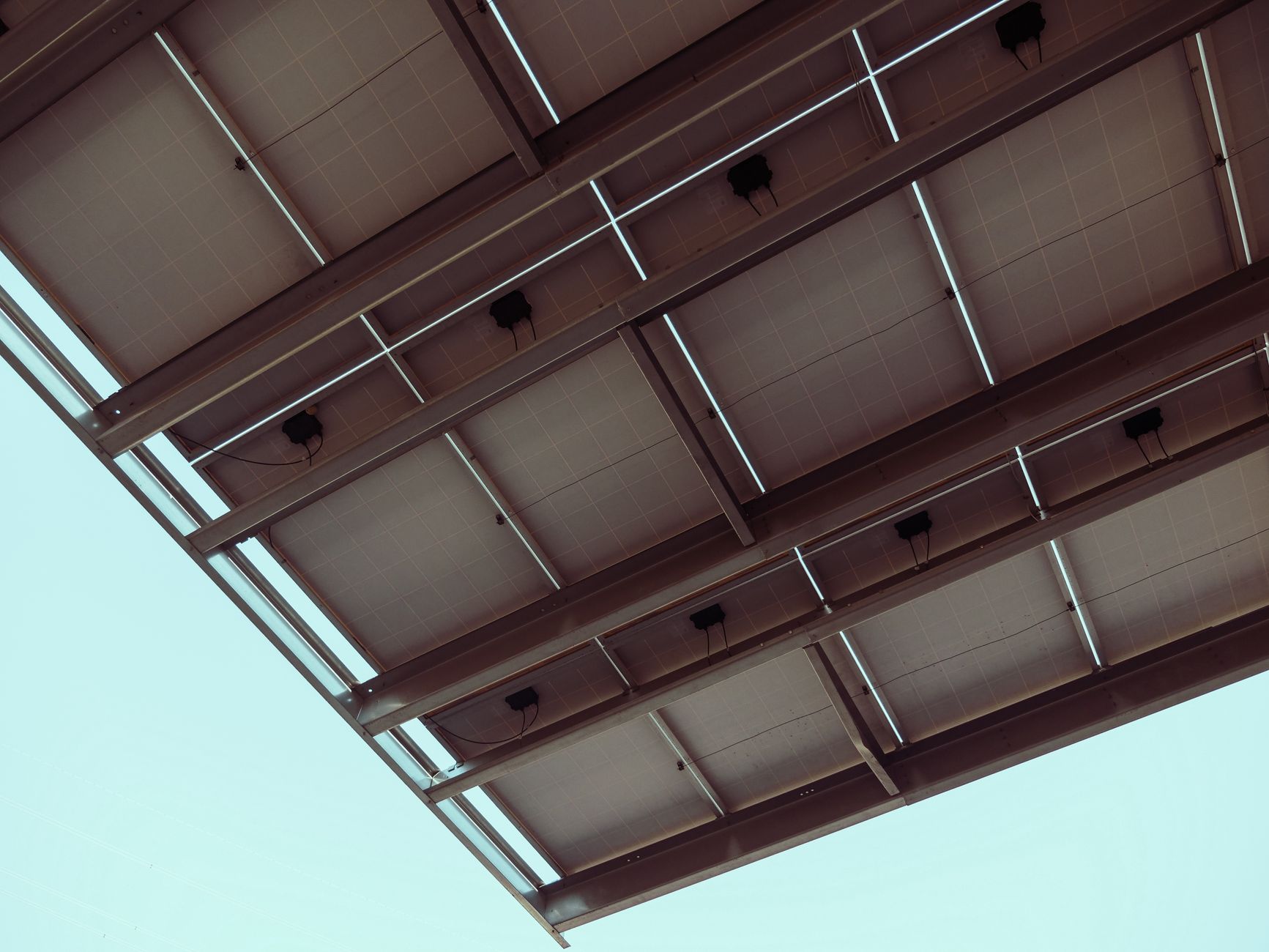
The solar and battery system is a state-of-the-art technology that utilizes advanced solar panels and energy storage batteries to generate and store power. This innovative solution allows for a significant reduction in energy costs and provides a reliable source of power during periods of low sunlight or at night. The system is also designed to be easily scalable, making it an attractive option for other organizations looking to transition to renewable energy sources.
The launch of the solar and battery system at the Melanesian Haus is a significant milestone in Papua New Guinea's journey towards a more sustainable future. As the country continues to grow and develop, it is essential to prioritize the use of renewable energy sources to reduce our reliance on fossil fuels and mitigate the impacts of climate change. This initiative not only benefits the environment but also contributes to the country's economic development by reducing energy costs and creating new job opportunities in the renewable energy sector.
Why This Matters
The launch of the solar and battery system at the Melanesian Haus is a significant development in the renewable energy sector, and it has far-reaching implications for the industry. Industry analysts note that the increasing adoption of solar and battery systems is driving innovation and reducing costs, making renewable energy more accessible to businesses and households alike. This trend is expected to continue, with more organizations and governments investing in renewable energy sources to reduce their carbon footprint and mitigate the impacts of climate change.
The solar and battery system launched at the Melanesian Haus is a testament to the country's commitment to renewable energy and its efforts to reduce its reliance on fossil fuels. This initiative not only benefits the environment but also contributes to the country's economic development by reducing energy costs and creating new job opportunities in the renewable energy sector. As the country continues to grow and develop, it is essential to prioritize the use of renewable energy sources to ensure a sustainable future for generations to come.
The launch of the solar and battery system at the Melanesian Haus is also expected to have a positive impact on the local community. The system is designed to be easily scalable, making it an attractive option for other organizations in the region looking to transition to renewable energy sources. This initiative is expected to create new job opportunities in the renewable energy sector, contributing to the country's economic development and improving the lives of local communities.
What It Means for the Industry
The launch of the solar and battery system at the Melanesian Haus is a significant development in the renewable energy sector, and it has far-reaching implications for the industry. The increasing adoption of solar and battery systems is driving innovation and reducing costs, making renewable energy more accessible to businesses and households alike. This trend is expected to continue, with more organizations and governments investing in renewable energy sources to reduce their carbon footprint and mitigate the impacts of climate change.
The solar and battery system launched at the Melanesian Haus is a testament to the country's commitment to renewable energy and its efforts to reduce its reliance on fossil fuels. This initiative not only benefits the environment but also contributes to the country's economic development by reducing energy costs and creating new job opportunities in the renewable energy sector. As the country continues to grow and develop, it is essential to prioritize the use of renewable energy sources to ensure a sustainable future for generations to come.
The launch of the solar and battery system at the Melanesian Haus is also expected to have a positive impact on the local community. The system is designed to be easily scalable, making it an attractive option for other organizations in the region looking to transition to renewable energy sources. This initiative is expected to create new job opportunities in the renewable energy sector, contributing to the country's economic development and improving the lives of local communities.
What Happens Next
The launch of the solar and battery system at the Melanesian Haus is a significant milestone in Papua New Guinea's journey towards a more sustainable future. As the country continues to grow and develop, it is essential to prioritize the use of renewable energy sources to reduce our reliance on fossil fuels and mitigate the impacts of climate change. The full announcement of the solar and battery system launch is expected to be followed by a series of initiatives aimed at promoting the use of renewable energy sources in the country. These initiatives are expected to include training programs for local communities, incentives for businesses to adopt renewable energy sources, and investments in renewable energy infrastructure.
The launch of the solar and battery system at the Melanesian Haus is a significant development in the renewable energy sector, and it has far-reaching implications for the industry. The increasing adoption of solar and battery systems is driving innovation and reducing costs, making renewable energy more accessible to businesses and households alike. This trend is expected to continue, with more organizations and governments investing in renewable energy sources to reduce their carbon footprint and mitigate the impacts of climate change.
The launch of the solar and battery system at the Melanesian Haus is also expected to have a positive impact on the local community. The system is designed to be easily scalable, making it an attractive option for other organizations in the region looking to transition to renewable energy sources. This initiative is expected to create new job opportunities in the renewable energy sector, contributing to the country's economic development and improving the lives of local communities.
Boeing Receives the Green Light to Manufacture the MQ-25A Stingray
Meanwhile, in the United States, Boeing has received the green light to manufacture the MQ-25A Stingray, the US Navy's first refueling drone. According to News247plus, the MQ-25A Stingray is a significant development in the field of unmanned aerial vehicles (UAVs) and is expected to play a crucial role in the US Navy's future operations. The drone is designed to provide refueling capabilities for aircraft at sea, extending their range and endurance. This technology is expected to have significant implications for the US Navy's operations and is a testament to the country's commitment to investing in cutting-edge technology.
The MQ-25A Stingray is a significant development in the field of UAVs and is expected to have far-reaching implications for the US Navy's operations. The drone's refueling capabilities are expected to extend the range and endurance of aircraft at sea, providing a significant advantage in terms of operational flexibility. This technology is expected to be used in a variety of scenarios, including search and rescue missions, surveillance operations, and combat missions.
The launch of the MQ-25A Stingray is a significant milestone in the development of unmanned aerial vehicles, and it is expected to have a positive impact on the US Navy's operations. The drone's refueling capabilities are expected to extend the range and endurance of aircraft at sea, providing a significant advantage in terms of operational flexibility. This technology is expected to be used in a variety of scenarios, including search and rescue missions, surveillance operations, and combat missions.


