
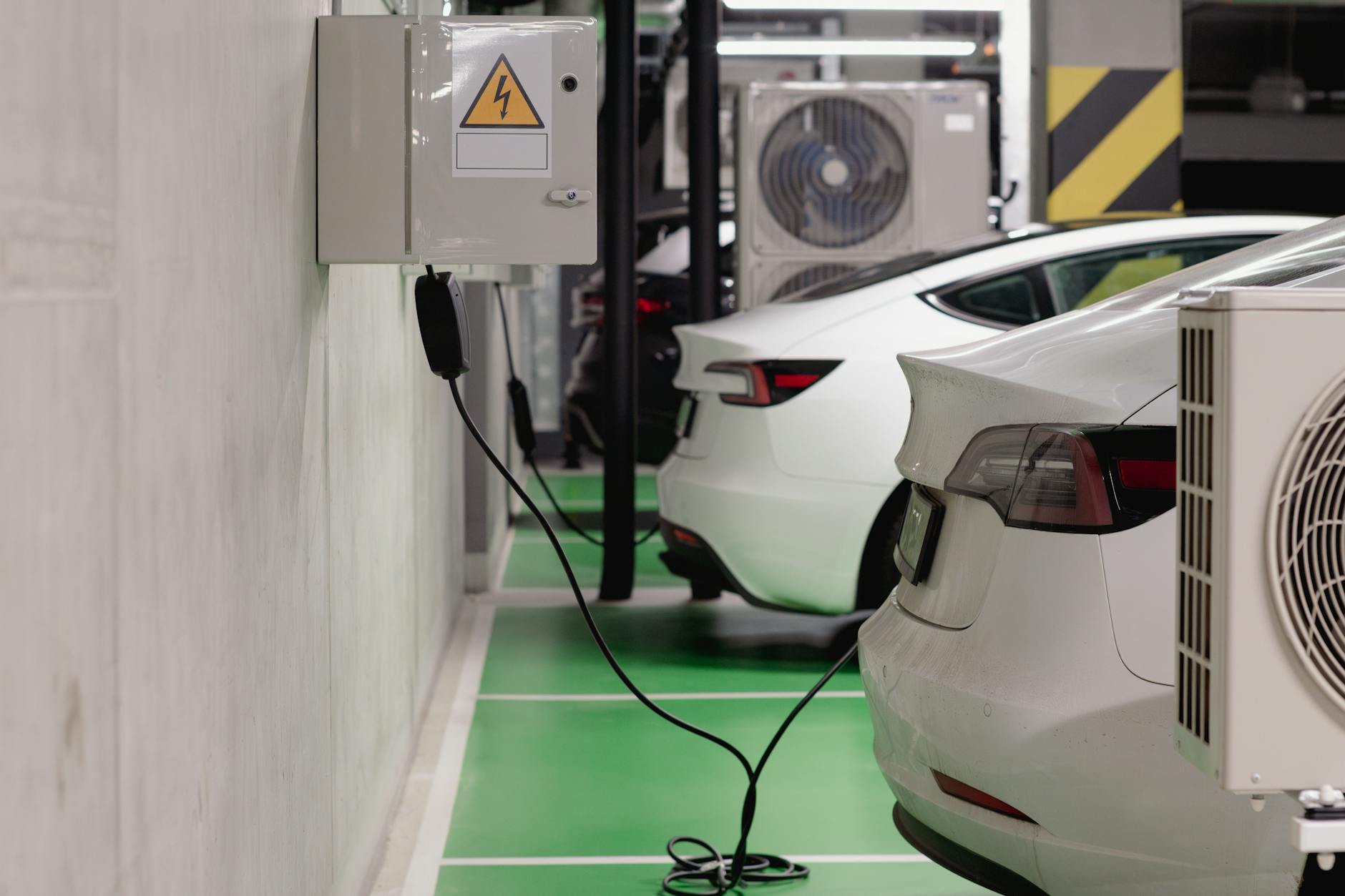
Imagine a city where the hum of a gasoline engine is replaced by the quiet whir of an electric motor, where every commuter can hop into a car that runs on clean energy without the anxiety of finding a charging point. That’s the vision India has been chasing for the past decade. Yet, as the country rallies behind its “Electrify India” pledge, a stark reality surfaces: there are only about 67,000 public charging stations, a number that is woefully inadequate for a nation with 1.4 billion people, a growing middle class, and a burgeoning fleet of electric vehicles (EVs) already on the road. This gap between ambition and infrastructure is the silent bottleneck that could stall India’s electric dream.
What's Going On
India’s government has set a target of 30% electric vehicle penetration by 2030, a bold move that would require a massive overhaul of the country’s transportation ecosystem. According to a recent report, India has only 67,000 EV charging points, a figure that pales in comparison to the millions of cars on its roads. The Plugging gap: Why 67,000 EV charging points aren't enough for India’s electric dreams article highlights the mismatch between policy goals and ground realities, underscoring the need for a coordinated strategy that spans public, private, and municipal stakeholders.
While the number of charging stations is a concrete metric, the story behind it is far more nuanced. The infrastructure is unevenly distributed, with metropolitan hubs like Delhi, Mumbai, and Bengaluru boasting a higher density of chargers, whereas rural and semi-urban areas lag significantly. This urban-centric rollout exacerbates regional disparities and risks alienating large swathes of the population who might otherwise be early adopters of EV technology.
Beyond distribution, the technology and standards used across charging networks remain fragmented. India currently supports a mix of AC Level 2, DC fast charging, and even experimental wireless charging solutions, but a lack of unified standards leads to compatibility issues and user confusion. As a result, consumers often face the dilemma of investing in a vehicle that may not have a reliable charging partner in their vicinity.
Why This Matters
The implications of this infrastructure shortfall ripple across multiple sectors. The Dubai looks to deepen China ties across AI, EVs and fintech article illustrates how global players are investing heavily in EV ecosystems, leveraging AI and fintech to streamline charging networks. India’s lag could make it less attractive to international investors seeking to capitalize on the burgeoning EV market, thereby slowing the influx of capital and technology that is vital for scaling infrastructure.
From an environmental standpoint, the lack of charging infrastructure undermines India’s commitments under the Paris Agreement. Without a robust network, consumers may default to internal combustion engine (ICE) vehicles, which continue to emit significant greenhouse gases. The energy sector also stands at a crossroads: the shift to electric mobility could increase electricity demand, and without adequate renewable energy integration, the carbon footprint might paradoxically rise.
Consumers are the most immediate victims of this gap. The uncertainty of charging availability—often referred to as “range anxiety”—deters many from buying EVs. A study of Indian EV buyers reveals that 62% cited lack of charging infrastructure as a primary concern. This psychological barrier is not just a matter of convenience; it directly influences market penetration rates and the speed at which India can transition to greener mobility.
What It Means for the Industry
For automakers, the charging conundrum translates into a strategic dilemma. Manufacturers like Tata Motors, Mahindra & Mahindra, and Hyundai are investing heavily in EVs, yet they must also consider the aftersales ecosystem that supports these vehicles. A fragmented charging landscape forces them to either partner with multiple charging providers or develop proprietary networks, both of which come with high capital costs.
Charging infrastructure providers face a double-edged sword. On one side, the demand curve is steep, offering lucrative revenue opportunities. On the other, the initial investment—especially in rural areas—can be prohibitive. The need for standardized, interoperable solutions is critical, and without it, the market could become a patchwork of incompatible systems, eroding consumer trust.
Policy makers are under pressure to devise incentives that accelerate infrastructure deployment. Options include tax breaks for charging station installation, subsidies for renewable energy integration, and streamlined land acquisition processes. The absence of a cohesive policy framework risks creating a fragmented market that stifles innovation and discourages private investment.
What Happens Next
Looking ahead, the trajectory of India’s EV ecosystem will likely hinge on a combination of public policy, private investment, and technological standardization. The Tesla Roadster Next-Gen Unveiling Scheduled for October 1 After Years of Delays, Elon Musk Confirms article highlights how global automakers are pushing the envelope on EV technology, signaling that the next wave of innovation could bring higher-capacity batteries and faster charging speeds. If India can align its infrastructure development with these technological advancements, it could close the gap and position itself as a regional EV hub.
Meanwhile, local startups are emerging to fill the void. Companies are experimenting with mobile charging vans, solar-powered charging stations, and community-based charging hubs. These grassroots solutions could accelerate deployment in underserved areas, offering a complementary approach to large-scale, state-sponsored projects.
In the end, India’s electric future will depend on a holistic strategy that marries technology, policy, and market incentives. The 67,000 charging points are not just a number; they are a barometer of the country’s readiness to embrace a cleaner, smarter mobility paradigm. If the gap can be bridged—through coordinated investment, standardization, and innovation—India could transform its transportation landscape and set a precedent for emerging economies worldwide.
For deeper insights into the challenges and opportunities facing India’s EV market, you might also explore how Uber’s exit from the Indian market is reshaping ride-hailing dynamics. The Uber’s exit is not your opportunity article delves into the broader mobility ecosystem and its implications for the EV sector.


