
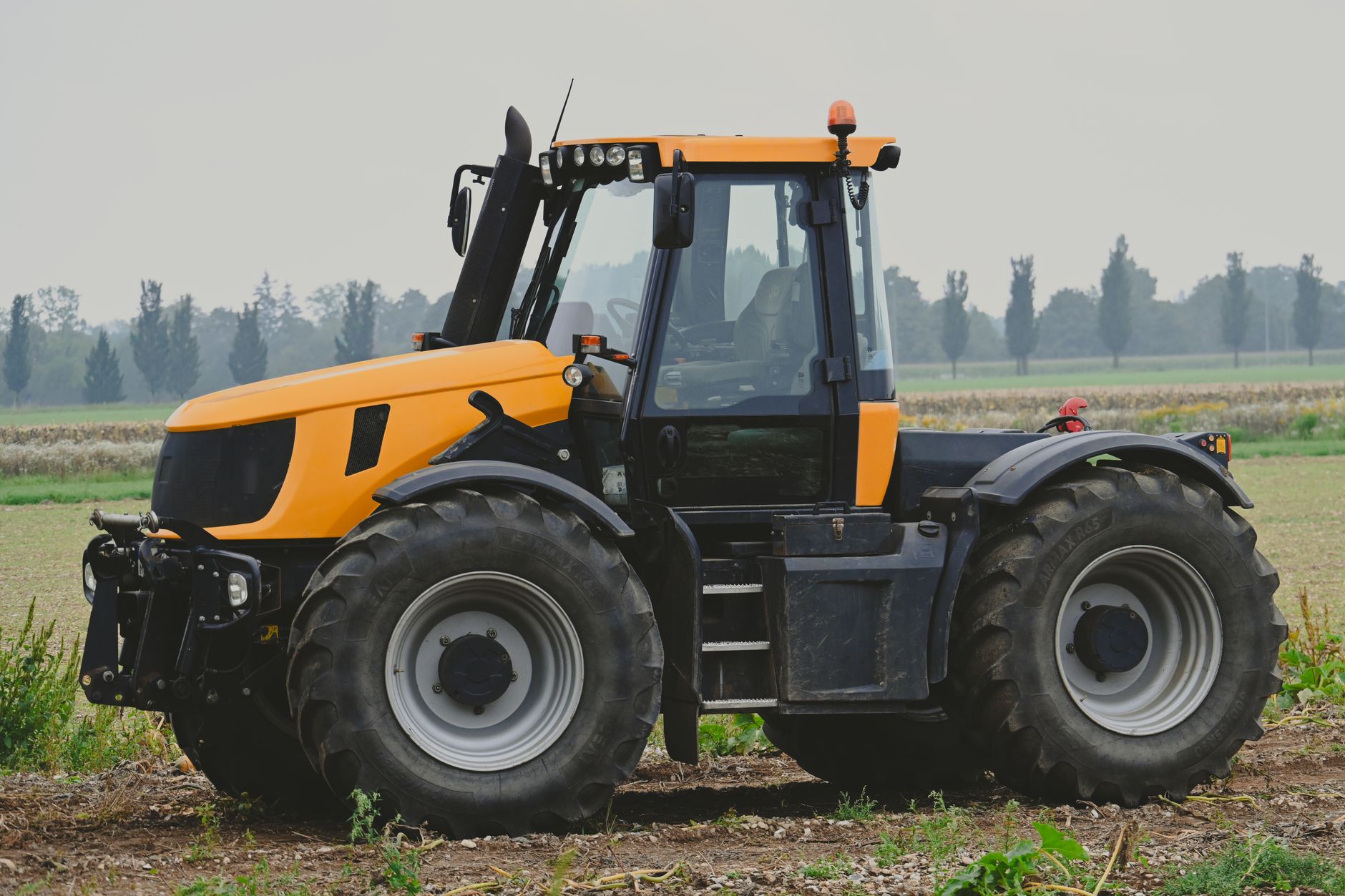
Imagine a tractor that roars into the field, its engine humming silently, yet delivering the same punch of power that a diesel rig once did. The quiet hum is not a dream; it’s the promise of hydrogen fuel cells. For many farmers, the transition to hydrogen is more than a technical upgrade – it’s a potential game‑changer for the entire agrarian economy.
What's Going On
The shift is already underway, with JCB announcing plans to launch hydrogen‑powered machinery as early as the 2030s, a move highlighted in the North Queensland Register. Their vision is to combine the high torque of traditional tractors with the clean energy of hydrogen, aiming to cut emissions while maintaining performance.
Beyond the headline, the underlying technology involves a fuel cell stack that converts hydrogen into electricity, powering electric motors that drive the tractor’s wheels. This setup eliminates the need for heavy diesel engines and the accompanying exhaust stacks that have long defined farm machinery.
Industry insiders note that the development timeline aligns with global carbon targets. By the 2030s, governments worldwide are tightening emissions regulations, and hydrogen offers a pathway for large‑scale machinery to stay compliant without sacrificing output.
Why This Matters
According to a recent analysis in The Land, the adoption of hydrogen tractors could slash greenhouse gases from the agriculture sector by up to 40% by 2040.
The implications stretch far beyond emissions. Hydrogen engines are lighter than diesel counterparts, reducing the overall weight of the machinery and allowing for larger payloads or more efficient fuel usage. This translates directly into cost savings for farmers and a more resilient supply chain during volatile fuel markets.
Farmers, equipment manufacturers, and even rural communities stand to benefit. Farmers gain a cleaner, potentially cheaper power source; manufacturers can tap into a growing market; and communities may experience reduced air pollution and quieter operations.
What It Means for the Industry
From an engineering perspective, the transition to hydrogen forces a re‑imagining of everything from chassis design to maintenance protocols. The Farm Weekly reports that manufacturers are already investing in modular fuel cell units that can be swapped out, much like a battery pack, to minimize downtime.
Operationally, hydrogen tractors promise lower maintenance costs. Without internal combustion, there are fewer moving parts that wear out, and the lack of exhaust systems means fewer emissions‑related inspections. Over the life of the machine, these savings could outweigh the higher upfront cost of fuel cell technology.
Strategically, companies that secure patents in hydrogen fuel cell design may dominate the market, creating new partnerships between tech firms and agribusinesses. The ripple effect could lead to a new ecosystem of hydrogen production, storage, and distribution tailored to rural settings.
What Happens Next
The full roadmap is detailed in the Stock Journal, which outlines a phased rollout: pilot programs in select farms, followed by commercial releases, and finally, a widespread adoption strategy aligned with national hydrogen infrastructure plans.
Farmers interested in early adoption are encouraged to join pilot programs, providing real‑world data that will shape future models. Meanwhile, governments are expected to offer incentives, such as tax credits or subsidies, to offset initial investment costs and accelerate deployment.
In the end, hydrogen horsepower could redefine what it means to farm sustainably. By marrying power with purity, the agricultural sector may finally break free from the constraints of fossil fuels, paving the way for a greener, more efficient future.


