
What's Going On
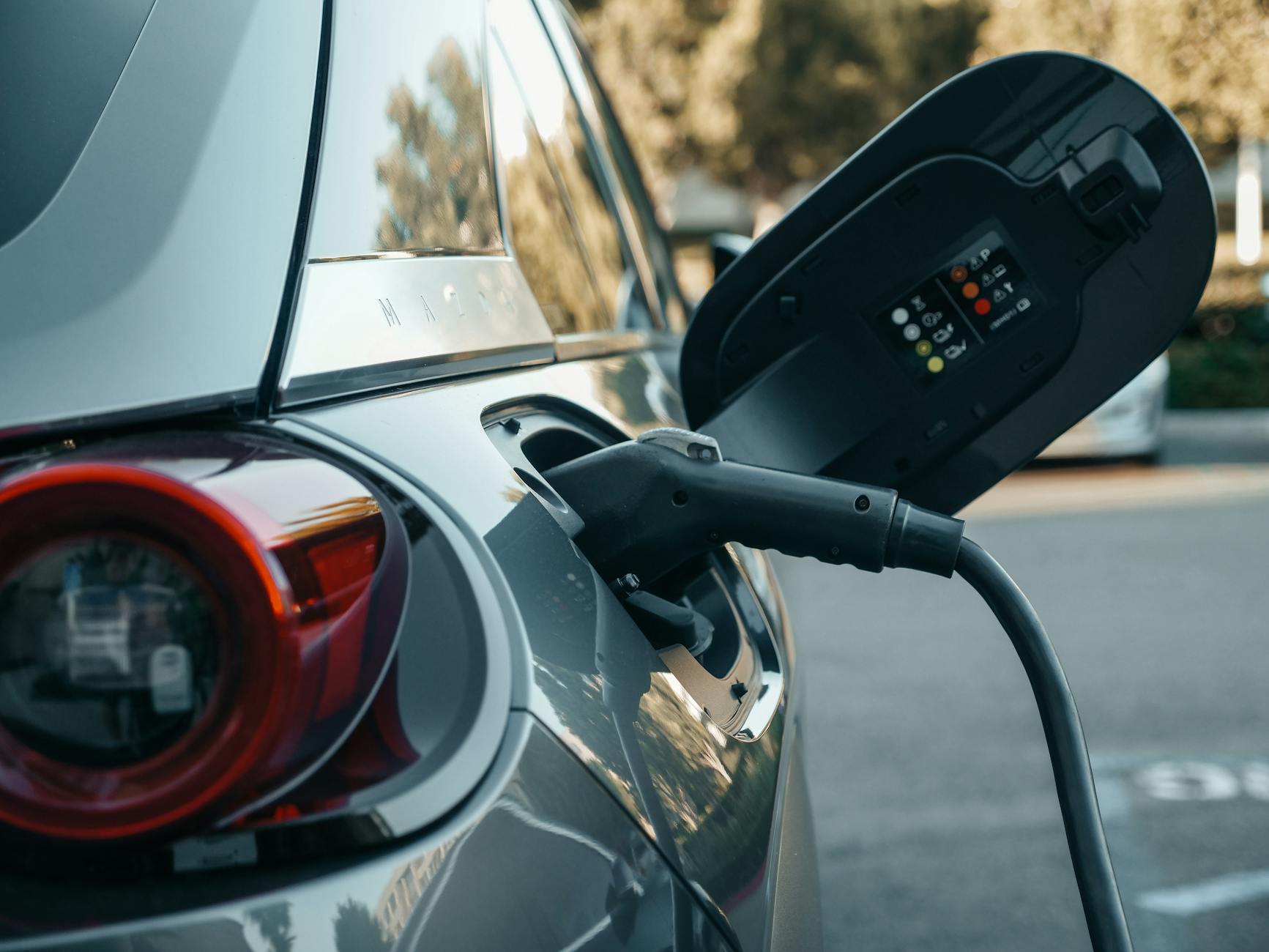
Hybrid Motors, a leading player in the electric vehicle (EV) industry, has secured $95 million in backing to construct two EV factories and 110 mega-charging stations in Nigeria. The funding is a significant milestone for the company, marking its entry into the African market with a strong focus on expanding the local EV ecosystem. According to The Will News, the investment will enable Hybrid Motors to establish a strong presence in Nigeria, creating jobs and stimulating economic growth.
The company plans to construct two EV factories, one in Lagos and the other in Abuja, which will have a combined production capacity of 100,000 vehicles per year. Additionally, Hybrid Motors will establish 110 mega-charging stations across the country, providing a robust charging infrastructure for EV owners. The company's ambitious plans are expected to boost Nigeria's automotive industry, which has been struggling to recover from a decline in recent years.
The funding for Hybrid Motors' project was provided by a consortium of investors, including private equity firms and venture capitalists. The investment is part of the company's strategy to expand its presence in emerging markets, where demand for EVs is growing rapidly. With this backing, Hybrid Motors is well-positioned to capitalize on the growing demand for EVs in Nigeria and become a leading player in the African EV market.
Why This Matters
The investment in Hybrid Motors' project is significant not only for the company but also for the African EV market as a whole. According to Flipkart's latest initiative, the adoption of EVs is expected to increase significantly in the coming years, driven by government incentives and falling battery costs. However, the lack of charging infrastructure remains a major barrier to widespread adoption. Hybrid Motors' plan to establish a robust charging network is expected to address this issue, making EVs a more viable option for consumers.
The impact of Hybrid Motors' project extends beyond the EV industry, as it is expected to stimulate economic growth and create jobs in Nigeria. The company's plans to establish two EV factories and 110 mega-charging stations will require significant investment in infrastructure and human resources, creating opportunities for local businesses and workers. Additionally, the project is expected to boost Nigeria's automotive industry, which has been struggling to recover from a decline in recent years.
The success of Hybrid Motors' project will also have implications for other investors and companies operating in the African EV market. If the project is successful, it could set a precedent for other companies to invest in the region, leading to a surge in EV adoption and economic growth. On the other hand, if the project faces challenges, it could deter other investors and companies from entering the market, slowing down the growth of the African EV ecosystem.
What It Means for the Industry
The investment in Hybrid Motors' project is a significant development for the EV industry, as it highlights the growing interest in emerging markets. According to a recent review of luxury EVs, the demand for EVs is expected to increase significantly in emerging markets, driven by government incentives and falling battery costs. However, the lack of charging infrastructure remains a major barrier to widespread adoption, making Hybrid Motors' plan to establish a robust charging network a crucial step towards expanding the African EV ecosystem.
The success of Hybrid Motors' project will also have implications for the automotive industry as a whole. If the project is successful, it could lead to a surge in EV adoption, which could disrupt the traditional automotive industry. On the other hand, if the project faces challenges, it could slow down the growth of the EV industry, making it more challenging for companies to transition to electric vehicles.
The investment in Hybrid Motors' project is also a significant milestone for the African EV market, as it highlights the growing interest in the region. The project is expected to boost Nigeria's automotive industry, which has been struggling to recover from a decline in recent years. Additionally, the project is expected to create jobs and stimulate economic growth, making it a significant development for the African economy.
What Happens Next
The next step for Hybrid Motors is to finalize the construction of its two EV factories and 110 mega-charging stations. The company plans to start production in the first quarter of 2026, with a target of producing 50,000 vehicles per year. Additionally, Hybrid Motors plans to establish a robust after-sales service network, providing customers with support and maintenance services for their EVs. According to a recent preview of the Honda 0 Alpha SUV, the company's plans to establish a strong after-sales service network are expected to boost customer confidence in EVs, making them a more viable option for consumers.
The success of Hybrid Motors' project will also have implications for other investors and companies operating in the African EV market. If the project is successful, it could set a precedent for other companies to invest in the region, leading to a surge in EV adoption and economic growth. On the other hand, if the project faces challenges, it could deter other investors and companies from entering the market, slowing down the growth of the African EV ecosystem.
The investment in Hybrid Motors' project is a significant development for the EV industry, as it highlights the growing interest in emerging markets. According to industry analysts, the demand for EVs is expected to increase significantly in emerging markets, driven by government incentives and falling battery costs. However, the lack of charging infrastructure remains a major barrier to widespread adoption, making Hybrid Motors' plan to establish a robust charging network a crucial step towards expanding the African EV ecosystem.


