
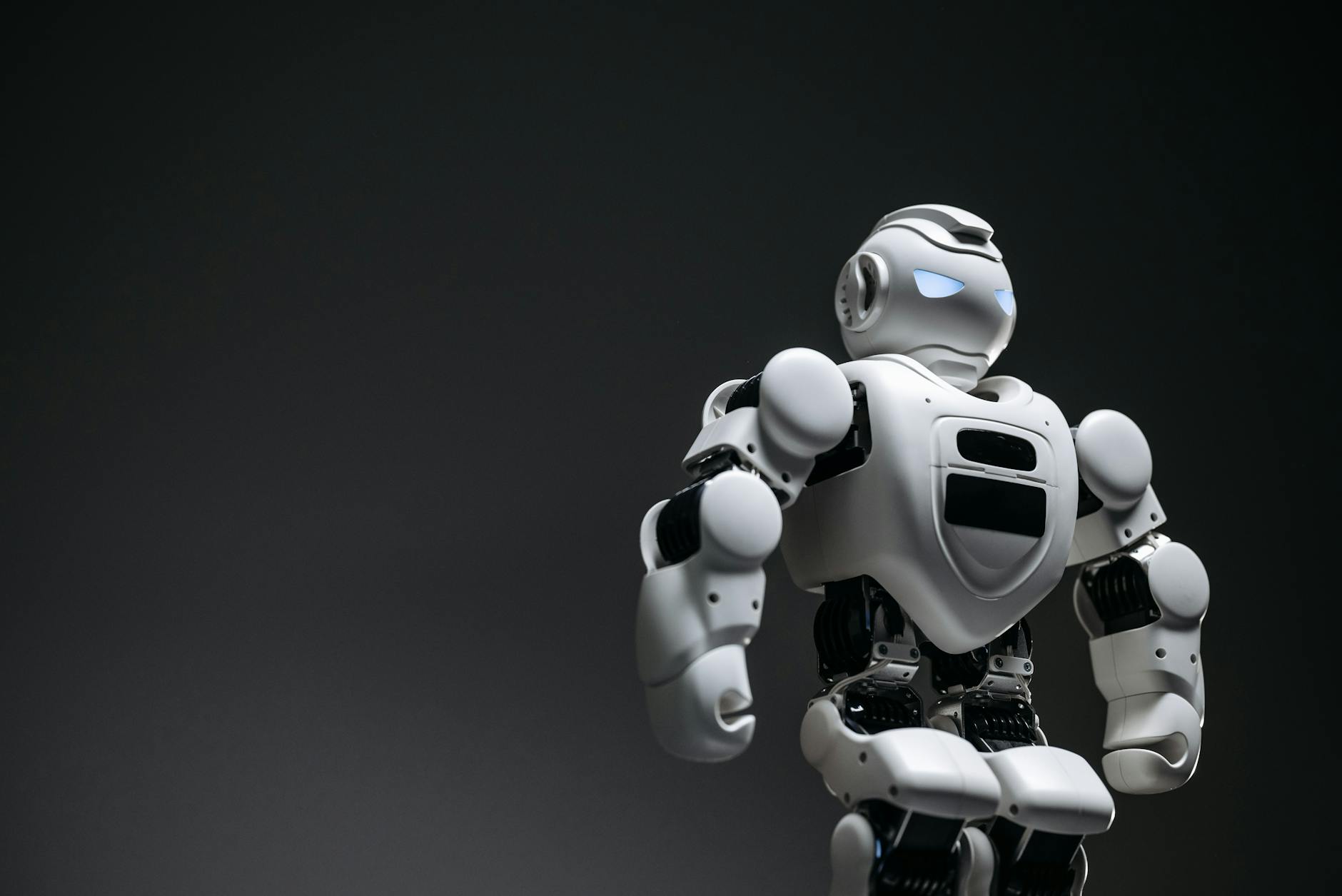
Humanoid Robots Won't Be the Future: Purpose-Built Robots Will
The idea of humanoid robots replacing humans in various industries has been a staple of science fiction for decades. However, with advancements in robotics and AI, the notion that humanoid robots will soon take over the industrial landscape is becoming increasingly popular. According to recent reports, this idea is a misconception, and purpose-built robots will play a crucial role in shaping the future of automation.
Purpose-built robots are designed to perform specific tasks, making them more efficient and effective than humanoid robots. These robots are tailored to their specific environments and tasks, allowing them to optimize their performance and minimize errors. In contrast, humanoid robots are designed to mimic human behavior, which often leads to inefficiencies and limitations.
The use of purpose-built robots in various industries is becoming increasingly common. For example, in manufacturing, purpose-built robots are used to perform tasks such as assembly, welding, and packaging. In healthcare, purpose-built robots are used to assist surgeons during operations and provide care to patients. In logistics, purpose-built robots are used to navigate warehouses and deliver packages.
The success of purpose-built robots can be attributed to their flexibility and adaptability. Unlike humanoid robots, purpose-built robots can be easily reprogrammed and redeployed to perform different tasks. This makes them ideal for industries where tasks and environments change frequently.
Why This Matters
The increasing use of purpose-built robots has significant implications for various industries. According to industry analysts, the use of purpose-built robots can lead to increased productivity, reduced costs, and improved quality. Additionally, purpose-built robots can help to address the labor shortage in various industries, allowing companies to maintain their production levels and meet customer demand.
The use of purpose-built robots also has significant implications for the workforce. As robots take over various tasks, workers will need to adapt to new roles and responsibilities. This requires significant investments in training and upskilling programs to ensure that workers have the necessary skills to work alongside robots.
The use of purpose-built robots also highlights the need for greater investment in research and development. As industries continue to evolve and change, the need for innovative solutions that can adapt to new environments and tasks will become increasingly important. By investing in research and development, companies can create new products and services that can help to drive growth and competitiveness.
What It Means for the Industry
The increasing use of purpose-built robots has significant implications for the industry as a whole. According to experts, the use of purpose-built robots will lead to significant changes in the way companies operate and interact with their customers. This will require companies to be more agile and adaptable, with the ability to quickly respond to changing customer needs and preferences.
The use of purpose-built robots also highlights the need for greater collaboration between companies. As industries continue to evolve and change, the need for shared knowledge and expertise will become increasingly important. By working together, companies can create new solutions and products that can help to drive growth and competitiveness.
The use of purpose-built robots also has significant implications for the environment. By reducing the need for manual labor, companies can reduce their carbon footprint and contribute to a more sustainable future. Additionally, purpose-built robots can help to reduce waste and improve resource efficiency, further contributing to a more sustainable future.
What Happens Next
The future of automation is exciting and uncertain, with new technologies and innovations emerging all the time. According to recent announcements, the use of purpose-built robots will continue to grow and evolve, with new applications and industries being explored all the time. This will require companies to be more agile and adaptable, with the ability to quickly respond to changing customer needs and preferences.
The use of purpose-built robots will also require significant investments in research and development. As industries continue to evolve and change, the need for innovative solutions that can adapt to new environments and tasks will become increasingly important. By investing in research and development, companies can create new products and services that can help to drive growth and competitiveness.
The use of purpose-built robots will also require significant investments in training and upskilling programs. As robots take over various tasks, workers will need to adapt to new roles and responsibilities. This requires significant investments in training and upskilling programs to ensure that workers have the necessary skills to work alongside robots.


