
What's Going On
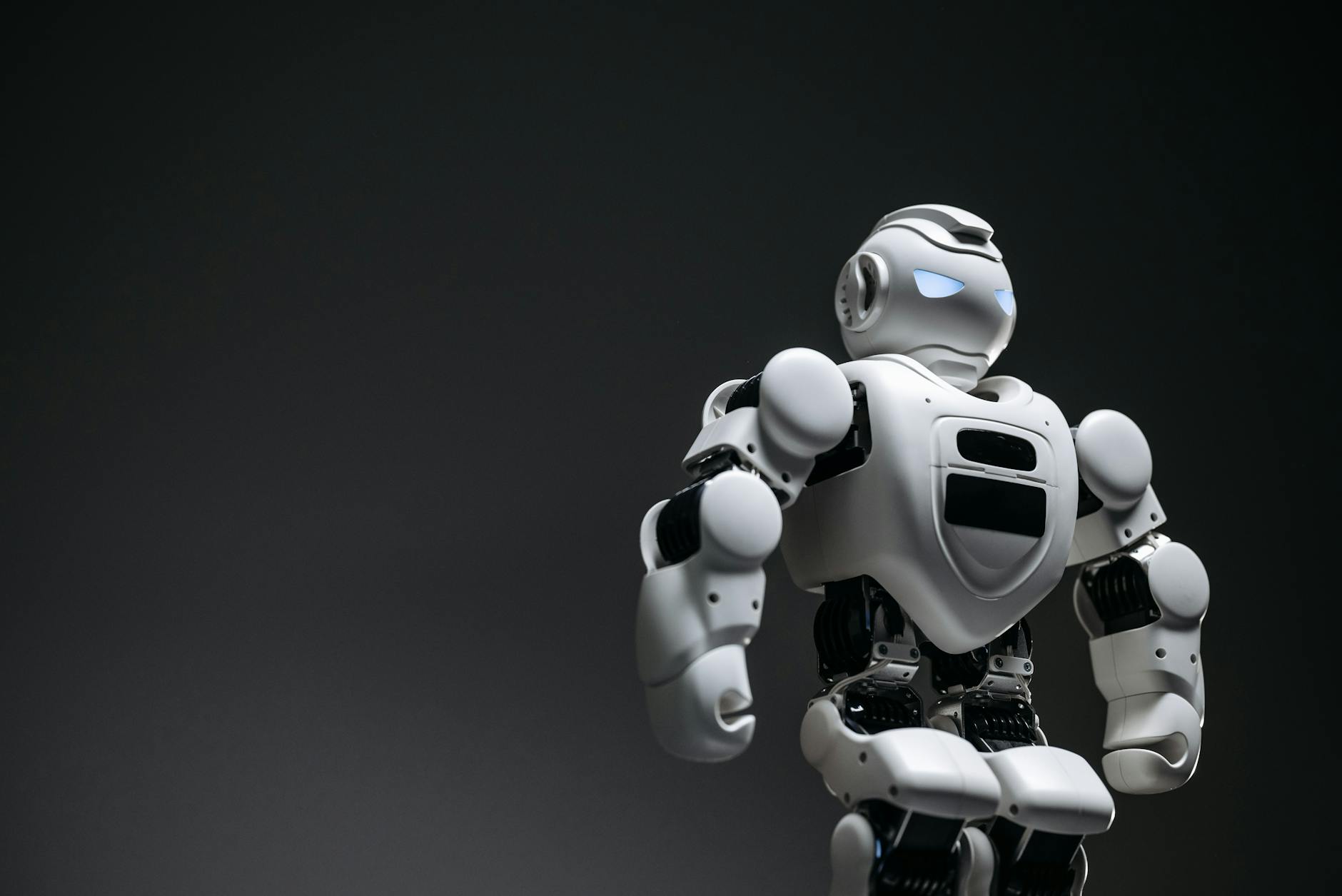
Humans have long been fascinated by the idea of robots that resemble us – humanoid robots with arms, legs, and faces that seem almost lifelike. However, according to TechRadar, this notion may be more fiction than reality. The focus is shifting toward purpose-built robots that excel in specific tasks, rather than trying to mimic human form and function.
These purpose-built robots are designed to perform a particular job or set of tasks with precision and efficiency, often leveraging advanced technologies like AI and machine learning. They might not be as charismatic or relatable as humanoid robots, but they can accomplish tasks faster, safer, and with greater accuracy.
This trend is being driven by the growing demand for automation and efficiency in various industries, such as manufacturing, logistics, and healthcare. As these industries continue to evolve and adapt to new technologies, the need for specialized robots that can handle specific tasks is becoming increasingly apparent.
Why This Matters
The shift toward purpose-built robots has significant implications for the industry, as noted by Techmediabreaks' recent feature on BOXABL. This trend is not only about improving efficiency and productivity but also about creating new opportunities for innovation and growth.
As purpose-built robots become more prevalent, we can expect to see a significant impact on the workforce, particularly in industries where human labor is currently the norm. While some jobs may be at risk, new opportunities will emerge for professionals who can design, develop, and maintain these specialized machines.
The bigger picture is one of increased automation and efficiency, which can lead to improved quality of life, reduced costs, and enhanced competitiveness for businesses. However, it also raises important questions about the role of humans in the workplace and the need for education and training to adapt to this changing landscape.
What It Means for the Industry
The implications of this trend are far-reaching and multifaceted. On one hand, purpose-built robots will continue to drive innovation and efficiency in various industries. On the other hand, it also raises concerns about job displacement and the need for workers to adapt to new technologies.
As the industry continues to evolve, we can expect to see more advanced technologies being integrated into purpose-built robots, such as AI, machine learning, and the Internet of Things (IoT). This will enable these robots to learn, adapt, and improve over time, making them even more efficient and effective in their tasks.
However, this also raises important questions about the role of humans in the workplace and the need for education and training to adapt to this changing landscape. As we move forward, it's essential to prioritize upskilling and reskilling programs that equip workers with the skills they need to thrive in an increasingly automated world.
What Happens Next
The future of robotics is exciting and rapidly evolving, as explored in TechRadar's recent article on AI and supply chain workers. As purpose-built robots continue to emerge, we can expect to see significant changes in the way businesses operate and the role of humans in the workplace.
Looking ahead, it's clear that the industry will continue to prioritize innovation, efficiency, and automation. This will create new opportunities for companies to differentiate themselves and stay competitive in an increasingly crowded market.
However, it's also essential to prioritize the human element, ensuring that workers have the skills and support they need to adapt to this changing landscape. By doing so, we can create a future where humans and robots work together in harmony, driving innovation, efficiency, and growth.
Conclusion
The shift toward purpose-built robots is a significant trend in the robotics industry, driven by the growing demand for automation and efficiency. As we look to the future, it's essential to prioritize innovation, efficiency, and automation, while also ensuring that workers have the skills and support they need to adapt to this changing landscape.
By embracing this trend and prioritizing the human element, we can create a future where humans and robots work together in harmony, driving innovation, efficiency, and growth. Whether you're a business leader, a worker, or simply someone interested in the future of robotics, it's an exciting time to be a part of this rapidly evolving industry.


