
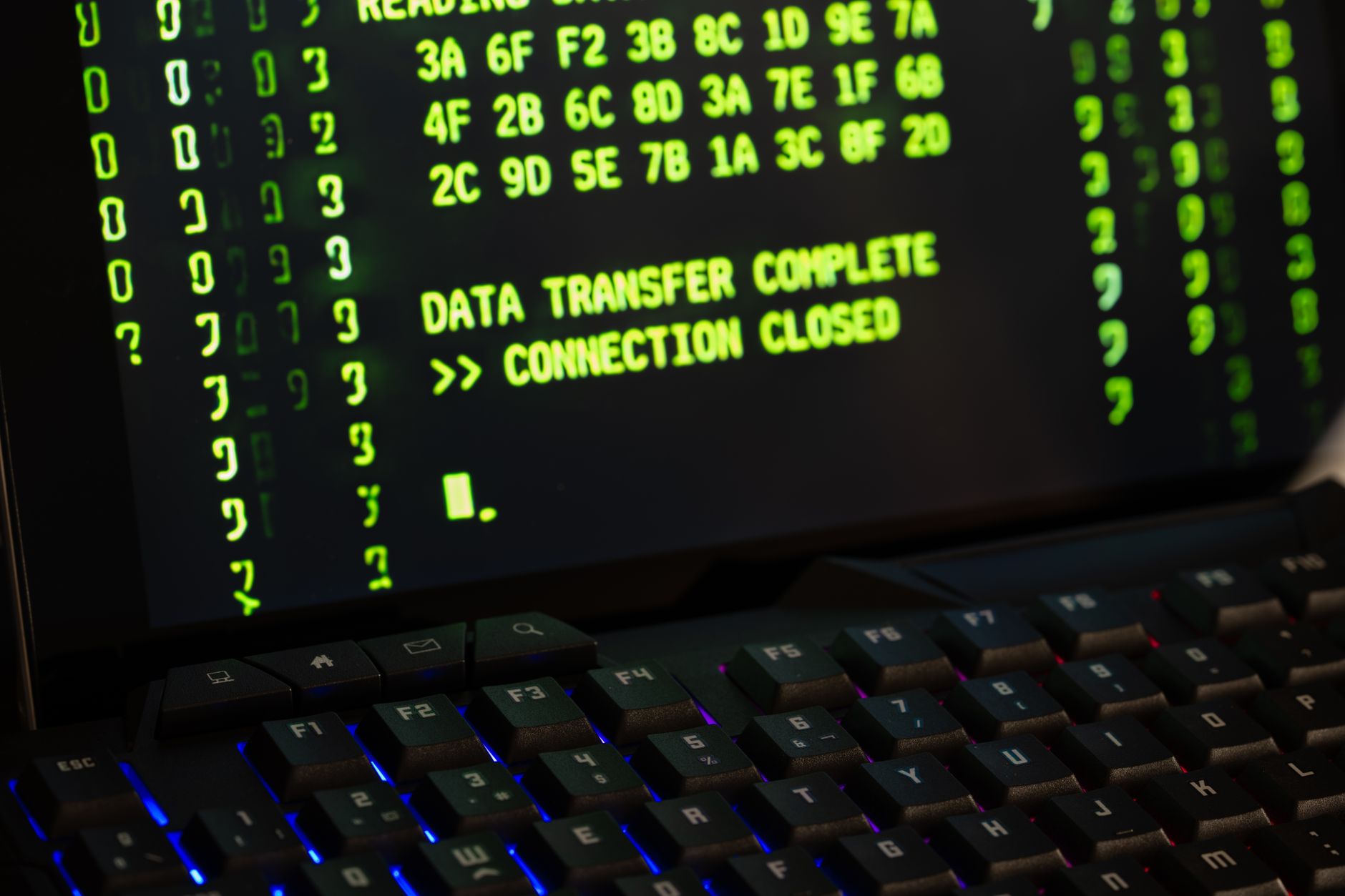
Imagine turning on your faucet and getting a glass of water that’s been tampered with—not chemically, but digitally. While that sounds like science‑fiction, recent reports suggest a very real cyber‑threat to the very pipes that deliver our daily hydration. If you thought your Wi‑Fi password was the biggest security risk at home, think again. The water you drink, the showers you take, and the irrigation that feeds our farms are increasingly controlled by software—software that can be weaponized.
What's Going On
Last month, a detailed investigation revealed that Iran may have infiltrated the networks of roughly 100 water treatment and distribution facilities spanning 12 U.S. states. The story broke in a feature that highlighted how sophisticated ransomware and espionage tools were used to gain footholds in SCADA (Supervisory Control and Data Acquisition) systems, the digital nervous system of modern water plants. For a deeper dive, check out the original report from How safe is your water from cyber-attack.
The alleged intrusion didn’t just stop at a single breach. According to cybersecurity analysts, the attackers employed a “low‑and‑slow” approach: they slipped into the network, lingered undetected for months, and mapped out critical control points. Once they understood how to manipulate valve positions, chemical dosing, and pump speeds, they could theoretically cause anything from a temporary service outage to a full‑scale contamination event.
What makes this episode especially alarming is the breadth of the targets. The compromised utilities range from small municipal systems serving a few thousand residents to large regional authorities that supply millions. In many cases, the water operators were using legacy hardware that hadn’t been patched in years, leaving open doors for known exploits. The attackers also leveraged phishing campaigns aimed at plant engineers, exploiting human error as the weakest link in the security chain.
While no public safety incident has been confirmed, the mere possibility of a malicious actor altering chlorine levels or shutting down a treatment process has set off alarm bells across the nation’s critical infrastructure community. Federal agencies, including the Department of Homeland Security and the Environmental Protection Agency, have issued advisories urging utilities to conduct immediate vulnerability assessments and to adopt a “zero‑trust” architecture for their control networks.
Why This Matters
The water sector is a cornerstone of national security, yet it has historically lagged behind other industries in adopting robust cyber defenses. When a foreign adversary can potentially manipulate the chemistry of our drinking water, the stakes go far beyond a simple data breach. As OpenAI CEO Sam Altman warns, the rapid evolution of AI‑driven attack tools means that the window for effective defensive measures is shrinking. AI can automate vulnerability scanning, generate phishing lures, and even craft malicious code that evades traditional signature‑based detection.
Beyond the immediate health risks, a successful water‑system attack could trigger cascading economic fallout. Industries that rely on high‑quality water—pharmaceuticals, food processing, and semiconductor manufacturing—could face production halts, costly recalls, and reputational damage. Municipalities might also see a surge in emergency response costs, legal liabilities, and public distrust.
Who feels the ripple? It’s not just the residents of the affected towns. Investors in utility stocks, insurers underwriting cyber‑risk policies, and even the agricultural sector that depends on irrigation water are all stakeholders. Moreover, the incident underscores a broader geopolitical reality: nation‑state actors are increasingly willing to weaponize civilian infrastructure to achieve strategic objectives, blurring the line between war and peace.
What It Means for the Industry
For water utilities, the message is crystal clear: legacy systems must be retired or retrofitted with modern, secure architectures. This means implementing multi‑factor authentication, network segmentation, and continuous monitoring powered by machine‑learning analytics. Companies that have already invested in digital twins—virtual replicas of physical assets—can now simulate attack scenarios in a safe environment, identifying weak points before a real adversary does.
Strategically, the sector is likely to see a surge in public‑private partnerships. Federal grant programs aimed at bolstering critical infrastructure cyber resilience are expected to expand, offering utilities the financial bandwidth to upgrade hardware and hire specialized security talent. At the same time, vendors are racing to embed security by design into their SCADA platforms, offering built‑in intrusion detection and automated response capabilities.
Another emerging trend is the integration of AI‑driven threat intelligence platforms that can ingest data from global cyber‑threat feeds, correlating indicators of compromise with the specific configurations of water‑system devices. This proactive stance can shift utilities from a reactive “detect‑and‑respond” model to a predictive “anticipate‑and‑prevent” posture. However, the adoption of AI also introduces new challenges, such as model bias and the need for explainable AI to satisfy regulatory scrutiny.
On the policy front, regulators are expected to tighten compliance requirements. The Environmental Protection Agency’s recent draft guidance hints at mandatory cyber‑risk assessments as part of the Safe Drinking Water Act renewal process. Utilities that fail to demonstrate adequate safeguards could face penalties, or worse, loss of operating licenses.
Finally, the incident serves as a reminder that cybersecurity is not a siloed IT issue—it’s an operational risk that must be embedded into the core of utility management. Board members, CEOs, and plant operators need to speak the same language, aligning business continuity plans with cyber‑incident response strategies.
What Happens Next
Looking ahead, the water industry is poised for a wave of innovation aimed at hardening defenses. Researchers are experimenting with blockchain‑based access logs to create immutable records of who changed what and when, making insider threats easier to detect. Meanwhile, the federal government is drafting a national cyber‑resilience framework that could standardize security baselines across all critical infrastructure sectors.
In parallel, the private sector is unveiling next‑generation solutions that blend edge computing with AI to analyze sensor data in real time, flagging anomalies that could indicate a breach. For a glimpse of how emerging technologies are reshaping everyday services, consider the the full announcement about autonomous delivery—an example of how rapid tech adoption can outpace regulatory safeguards.
Ultimately, the battle for water security will be won or lost in the boardrooms and control rooms where decisions about budget, talent, and technology are made. Utilities that invest early in robust cyber hygiene, foster a culture of continuous learning, and collaborate with federal agencies will be better positioned to protect the lifeblood of our communities.
As we wrap up, remember that the water flowing from your tap is more than a commodity; it’s a digital asset that demands the same vigilance we apply to our online accounts. Stay informed, support local utility initiatives for cyber‑security upgrades, and keep an eye on the evolving threat landscape. The future of safe drinking water may depend on the choices we make today.


