
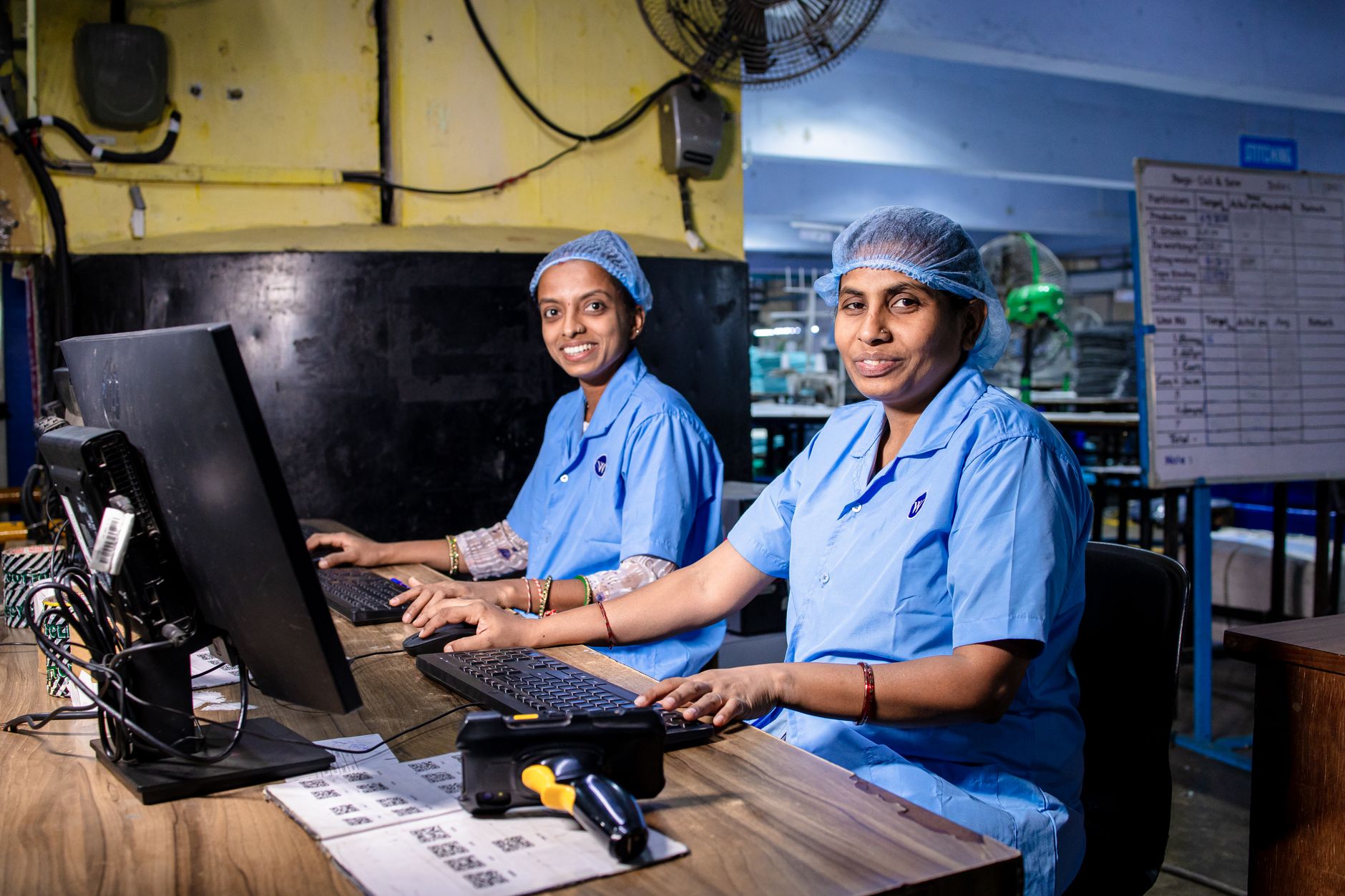
Imagine working in a factory in India, with cameras and sensors monitoring your every move. Your actions, from picking up a product to placing it in a box, are being recorded and analyzed by algorithms. This data is then being used by Big Tech companies to train their robots, making them more efficient and accurate. While this may seem like a futuristic scenario, it's already a reality in India, where many factories are secretly collecting and harnessing the data of their workers to improve their AI capabilities. As reported by TechCrunch, this practice is raising concerns about worker rights and data privacy.
What's Going On
In India, many factories are using cameras and sensors to monitor their workers' actions, from production lines to warehouses. This data is then being collected and analyzed by algorithms, which are used to train robots and improve their AI capabilities. For example, a factory in India may use data from its workers to train a robot to pick up products from a conveyor belt. The robot learns from the data collected from the workers, making it more efficient and accurate over time.
While this practice may seem like a win-win for both the factory and the worker, there are concerns about worker rights and data privacy. Workers may not be aware that their actions are being recorded and analyzed, and they may not be properly compensated for their data. Additionally, there are concerns about the potential misuse of this data, such as using it to monitor worker behavior or to identify potential whistleblowers.
Why This Matters
This practice is a wake-up call for the industry, as it highlights the potential risks of collecting and using data from workers to train AI systems. Industry analysts note that this practice is not limited to India, but is happening in other countries as well. For example, Google's DeepMind has been using data from cancer patients to train its AI systems, raising concerns about data privacy and patient consent.
This practice also raises questions about the ethics of using data from workers to train AI systems. Is it fair to use data from workers without their consent? Is it fair to use data from workers to train AI systems that may eventually replace them? These are questions that the industry must grapple with as it continues to develop and deploy AI systems.
What It Means for the Industry
The implications of this practice are far-reaching, and it has significant strategic impact for the industry. As AI systems become more pervasive in the workplace, the potential risks of collecting and using data from workers to train AI systems must be addressed. Companies must develop and implement robust data privacy policies, and workers must be properly informed and compensated for their data. Additionally, the industry must develop and deploy AI systems that are transparent, explainable, and accountable, to avoid the potential risks of bias and discrimination.
What Happens Next
The full announcement by the Vietnamese government to build a standards framework for strategic technologies and products has significant implications for the industry. According to the official statement, the framework will provide guidelines for the development and deployment of AI systems in Vietnam, including data privacy and worker rights. This is a positive step towards ensuring that AI systems are developed and deployed responsibly, and it sets a precedent for other countries to follow.
Finally, the development of AI systems that are transparent, explainable, and accountable is essential for building trust in the industry. Companies must prioritize transparency and accountability in their AI systems, and workers must be properly informed and compensated for their data. As the industry continues to develop and deploy AI systems, it must prioritize worker rights and data privacy, to avoid the potential risks of bias and discrimination.


