
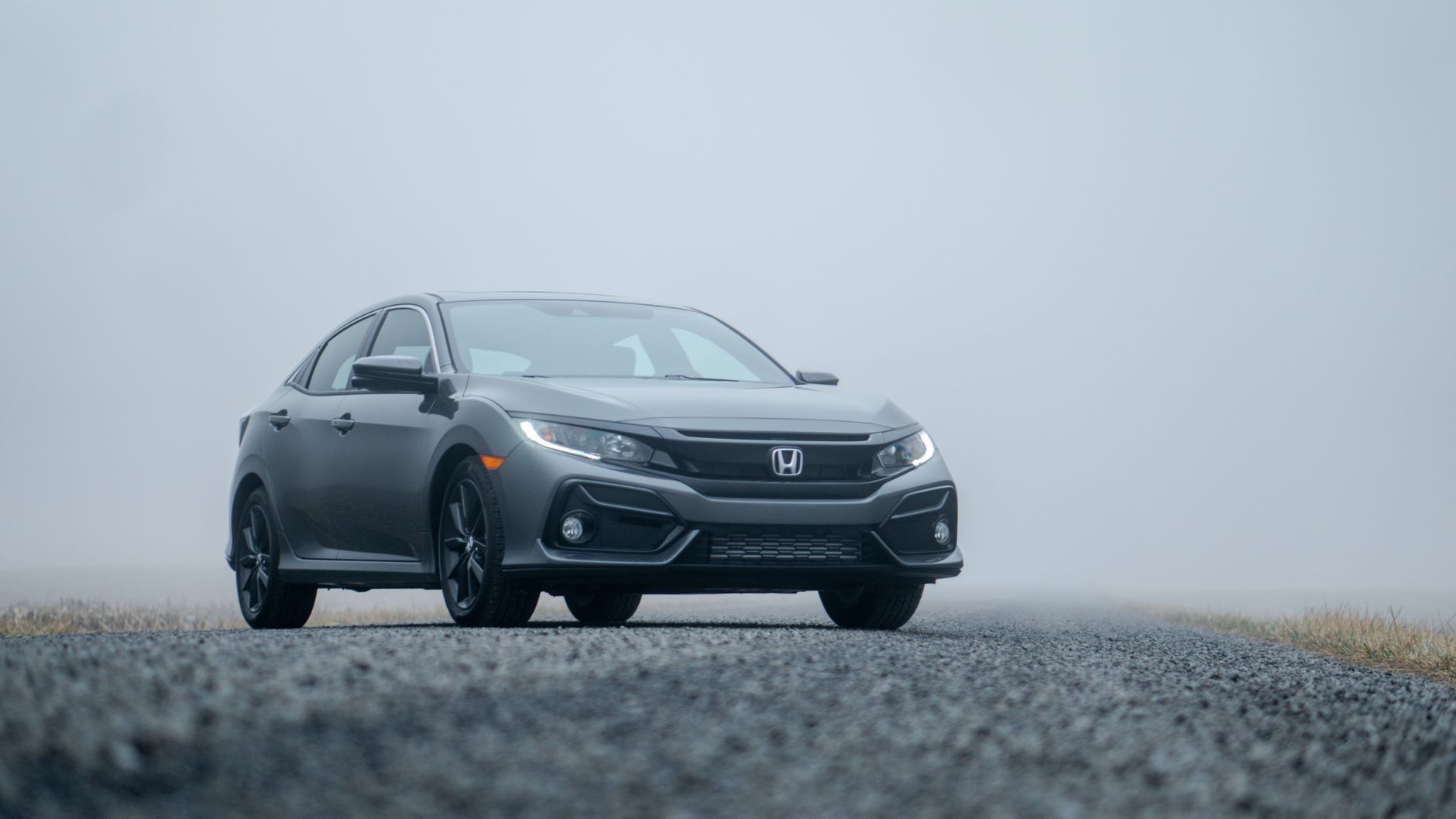
When a legacy automaker like Honda declares a multi‑billion‑dollar cost‑cutting mission, the reverberations are felt far beyond the factory floor. It’s not just about trimming expenses; it’s a strategic pivot that could reshape how we drive, what we buy, and even how the industry innovates in an era of electrification and autonomous tech. Buckle up, because this isn’t just a balance‑sheet exercise—it’s a glimpse into the future of mobility.
What's Going On
According to Honda Wants To Cut $9 Billion In Costs, the Japanese giant is embarking on an aggressive restructuring that targets everything from research and development to regional manufacturing footprints. The plan, unveiled in a terse corporate memo, calls for a $9 billion reduction over the next three years, roughly 15 % of the company’s annual operating budget.
The core of the initiative revolves around streamlining the product portfolio. Honda intends to retire several under‑performing models, especially in markets where competition is fiercest and margins are thin. By consolidating platforms and sharing components across multiple vehicle lines, the automaker hopes to achieve economies of scale that were previously out of reach.
Another pillar of the strategy is the reallocation of capital toward electrified powertrains. While the cost‑cutting headline grabs attention, insiders say the real motive is to free up cash for a more aggressive rollout of hybrid, plug‑in hybrid, and fully electric vehicles. Honda’s leadership believes that a leaner cost structure will allow the company to invest in battery technology, software development, and new mobility services without jeopardizing profitability.
Labor is also on the chopping block. The memo hints at a modest reduction in headcount, primarily through natural attrition and the consolidation of overseas engineering teams. However, Honda assures employees that the cuts will not involve mass layoffs; instead, the focus will be on “right‑sizing” the workforce to match the streamlined product roadmap.
Supply chain optimization rounds out the plan. By renegotiating contracts with Tier‑1 suppliers and moving some production closer to key markets, Honda aims to cut logistics costs and reduce exposure to geopolitical disruptions. The automaker is also exploring strategic partnerships for shared component sourcing, a move that could further tighten margins.
Why This Matters
Industry observers are already weighing the ripple effects of Honda’s move. 6 things my jailbroken Kindle can do may seem unrelated, but the article’s focus on how a single platform can be repurposed for greater flexibility mirrors Honda’s own strategy of platform sharing and modular design. Just as a jailbroken device can unlock new capabilities, Honda’s cost cuts could unlock a more agile, technology‑focused product line.
The automotive sector is at a crossroads where profit margins are being squeezed by rising raw material costs, stricter emissions regulations, and the relentless push toward electrification. By slashing $9 billion, Honda not only safeguards its bottom line but also sends a signal to competitors: efficiency is no longer optional, it’s a prerequisite for survival.
Consumers stand to feel the impact as well. A leaner Honda may mean fewer model choices in the short term, but it could also translate into more competitive pricing and faster adoption of electric models. Dealerships might see a shift in inventory strategies, focusing on higher‑margin, technology‑rich vehicles that align with the new corporate direction.
Investors are watching the balance sheet closely. A successful cost‑cutting campaign could boost earnings per share, improve cash flow, and enhance Honda’s ability to fund future R&D. Conversely, missteps—such as cutting too deep into critical talent pools—could hamper innovation and erode brand equity.
Finally, the move has geopolitical implications. Honda’s plan to shift some production closer to North American and Asian markets could influence trade balances, labor markets, and even regional policy discussions about automotive subsidies and emissions standards.
What It Means for the Industry
Honda’s announcement is a bellwether for the broader automotive ecosystem. As legacy manufacturers grapple with the twin pressures of decarbonization and digital transformation, large‑scale cost reductions become a lever to fund the next wave of innovation. The ripple effect may accelerate consolidation among suppliers, as Tier‑1s scramble to secure long‑term contracts with a cost‑conscious OEM.
Strategically, the focus on platform modularity could become the new norm. By designing a common chassis that can accommodate internal combustion, hybrid, and electric powertrains, automakers can spread development costs across a wider product range. This approach mirrors the tech industry’s shift toward reusable codebases and APIs—a trend highlighted in discussions about device openness and software ecosystems.
From a competitive standpoint, Honda’s cost discipline could pressure rivals like Toyota, Nissan, and emerging Chinese players to unveil their own efficiency programs. The race to lower unit costs while simultaneously investing in battery technology could compress profit margins across the board, prompting a wave of strategic alliances and joint ventures.
One less obvious consequence is the potential reshaping of after‑sales services. With fewer models on the road, service networks may become more streamlined, offering faster turnaround times and more standardized parts inventories. This could improve customer satisfaction and reduce warranty costs, further bolstering profitability.
Moreover, the emphasis on electrified powertrains aligns Honda with global climate goals, positioning the brand as a responsible player in the transition to net‑zero mobility. This alignment could unlock new funding streams, government incentives, and brand loyalty among environmentally conscious consumers.
In the broader tech‑auto convergence, Honda’s cost‑cutting narrative dovetails with the rise of software‑centric vehicles. As cars become more like connected devices, the ability to allocate resources toward over‑the‑air updates, cybersecurity, and AI‑driven driver assistance becomes a competitive differentiator. The financial breathing room created by the $9 billion plan may be the catalyst that propels Honda into that software‑first future.
What Happens Next
The official statement, detailed in OpenAI’s ChatGPT Desktop App Ships Full, outlines a phased rollout of the cost‑cutting measures, beginning with immediate reductions in non‑essential spending and followed by longer‑term structural changes. Executives have set quarterly milestones to track savings, with a transparent reporting framework aimed at keeping shareholders informed.
In the coming months, we can expect Honda to publish a revised product roadmap that highlights which models will be discontinued, which platforms will be consolidated, and where new electric offerings will appear. Watch for press releases from regional subsidiaries, as the company tailors its strategy to local market conditions.
Analysts will be scrutinizing the first set of financial results post‑implementation to gauge the effectiveness of the cuts. Early indicators such as reduced material costs, lower SG&A expenses, and improved cash conversion cycles will be key metrics. If the plan delivers as projected, Honda could set a benchmark for cost efficiency that other OEMs will be forced to emulate.
Meanwhile, the broader industry will likely respond with its own strategic recalibrations. Suppliers may renegotiate terms, competitors may announce parallel cost‑saving initiatives, and regulators might adjust policy frameworks to reflect a more lean and electrified automotive landscape.
Ultimately, Honda’s $9 billion cost‑cutting drive is more than a financial maneuver—it’s a strategic statement about the future of mobility. Whether the plan accelerates the shift toward electric, software‑defined vehicles or simply trims the fat to preserve legacy operations, one thing is clear: the automotive world will be watching, and the outcomes will shape the road ahead for years to come.


