
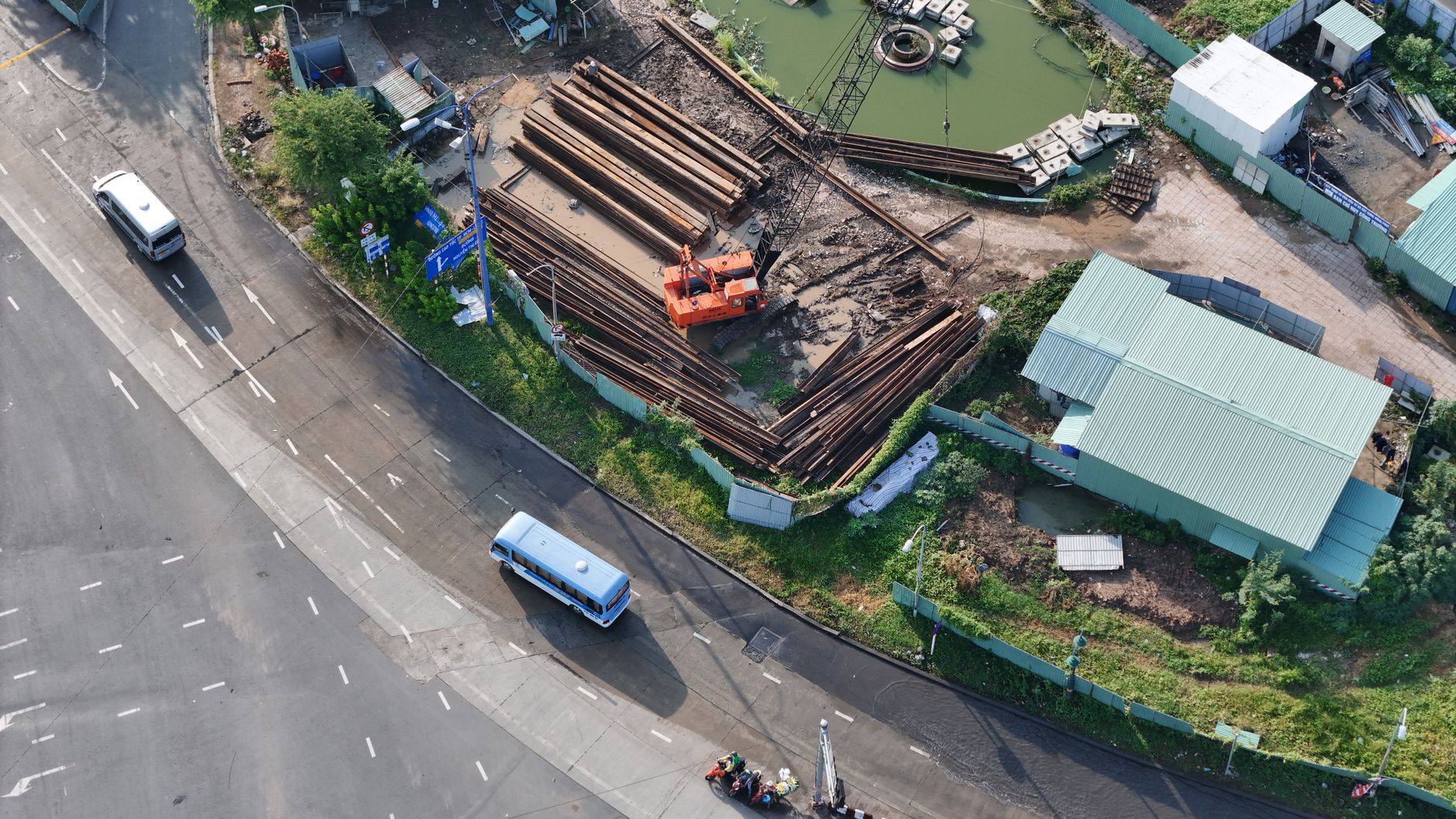
As the world grapples with the challenges of a rapidly changing global economy, Ho Chi Minh City is taking bold steps to stay ahead of the curve. With a growing focus on innovation and digital transformation, the city is aiming to revolutionize its manufacturing sector by restructuring its industrial parks into smart manufacturing hubs.
What's Going On
According to Vietnam Plus Ho Chi Minh City eyes smart manufacturing transformation through industrial park restructuring, the city plans to invest heavily in digital infrastructure, including the deployment of advanced technologies such as artificial intelligence, Internet of Things (IoT), and robotics. This will enable manufacturers to optimize their production processes, improve product quality, and reduce waste.
The city's industrial parks will be redesigned to incorporate smart manufacturing concepts, with a focus on creating a seamless flow of information and resources between different stages of production. This will enable manufacturers to respond quickly to changes in demand, reduce lead times, and improve overall efficiency.
Ho Chi Minh City is not alone in its pursuit of smart manufacturing. Many other cities around the world are also investing heavily in digital transformation initiatives, with a focus on creating more efficient, sustainable, and competitive manufacturing ecosystems.
Why This Matters
The impact of smart manufacturing on the industry cannot be overstated. According to industry analysts note, the adoption of smart manufacturing technologies has the potential to drive significant productivity gains, reduce costs, and improve product quality. This will enable manufacturers to remain competitive in a rapidly changing global market, where innovation and agility are increasingly key differentiators.
The shift to smart manufacturing also has broader implications for the economy. By creating more efficient and sustainable manufacturing ecosystems, cities like Ho Chi Minh can attract new investments, create new jobs, and drive economic growth.
However, the transition to smart manufacturing is not without its challenges. Manufacturers will need to invest heavily in new technologies, retrain their workforce, and adapt their business models to remain competitive. This will require significant investment and planning, as well as a commitment to innovation and experimentation.
What It Means for the Industry
The implications of Ho Chi Minh City's smart manufacturing initiative are far-reaching, with significant implications for the industry as a whole. As the city invests in digital infrastructure and smart manufacturing technologies, other cities and regions will be forced to follow suit, in order to remain competitive.
The adoption of smart manufacturing technologies will also drive significant changes in the way manufacturers operate. With a focus on automation, data analytics, and IoT, manufacturers will need to rethink their production processes, supply chains, and business models in order to remain competitive.
The shift to smart manufacturing will also create new opportunities for innovation and entrepreneurship. With a focus on digitization and automation, cities like Ho Chi Minh will become hubs for innovation and entrepreneurship, attracting new investments, startups, and talent.
What Happens Next
The full announcement of Ho Chi Minh City's smart manufacturing initiative can be found in Interview with MTC’s Mike Wilson: ‘Automation is not optional if the UK wants to rebuild manufacturing’. The initiative is expected to be a major driver of innovation and growth in the city, with significant implications for the industry as a whole.
As the city embarks on this journey, it will be interesting to see how it leverages technology to drive productivity and competitiveness. With a focus on smart manufacturing, Ho Chi Minh City is poised to become a leader in the industry, and a model for other cities around the world.
Finally, it is worth noting that Ho Chi Minh City's smart manufacturing initiative has significant implications for the broader economy. By creating more efficient and sustainable manufacturing ecosystems, cities like Ho Chi Minh can attract new investments, create new jobs, and drive economic growth.
What's Next for Ho Chi Minh City?
Ho Chi Minh City's smart manufacturing initiative is just the beginning of a larger journey towards digital transformation. The city plans to invest heavily in digital infrastructure, including the deployment of advanced technologies such as artificial intelligence, IoT, and robotics. This will enable manufacturers to optimize their production processes, improve product quality, and reduce waste.
The city's industrial parks will be redesigned to incorporate smart manufacturing concepts, with a focus on creating a seamless flow of information and resources between different stages of production. This will enable manufacturers to respond quickly to changes in demand, reduce lead times, and improve overall efficiency.
Ho Chi Minh City is not alone in its pursuit of smart manufacturing. Many other cities around the world are also investing heavily in digital transformation initiatives, with a focus on creating more efficient, sustainable, and competitive manufacturing ecosystems.
Mavenir's Agentic Automation Framework
Mavenir's Agentic Automation Framework is a key enabler of smart manufacturing, providing a comprehensive platform for automation, analytics, and decision-making. This framework is designed to help manufacturers optimize their production processes, improve product quality, and reduce waste.
With a focus on automation and IoT, Mavenir's Agentic Automation Framework is a key component of Ho Chi Minh City's smart manufacturing initiative. By leveraging this technology, manufacturers in the city will be able to respond quickly to changes in demand, reduce lead times, and improve overall efficiency.
The adoption of Mavenir's Agentic Automation Framework will also drive significant changes in the way manufacturers operate. With a focus on automation, data analytics, and IoT, manufacturers will need to rethink their production processes, supply chains, and business models in order to remain competitive.


