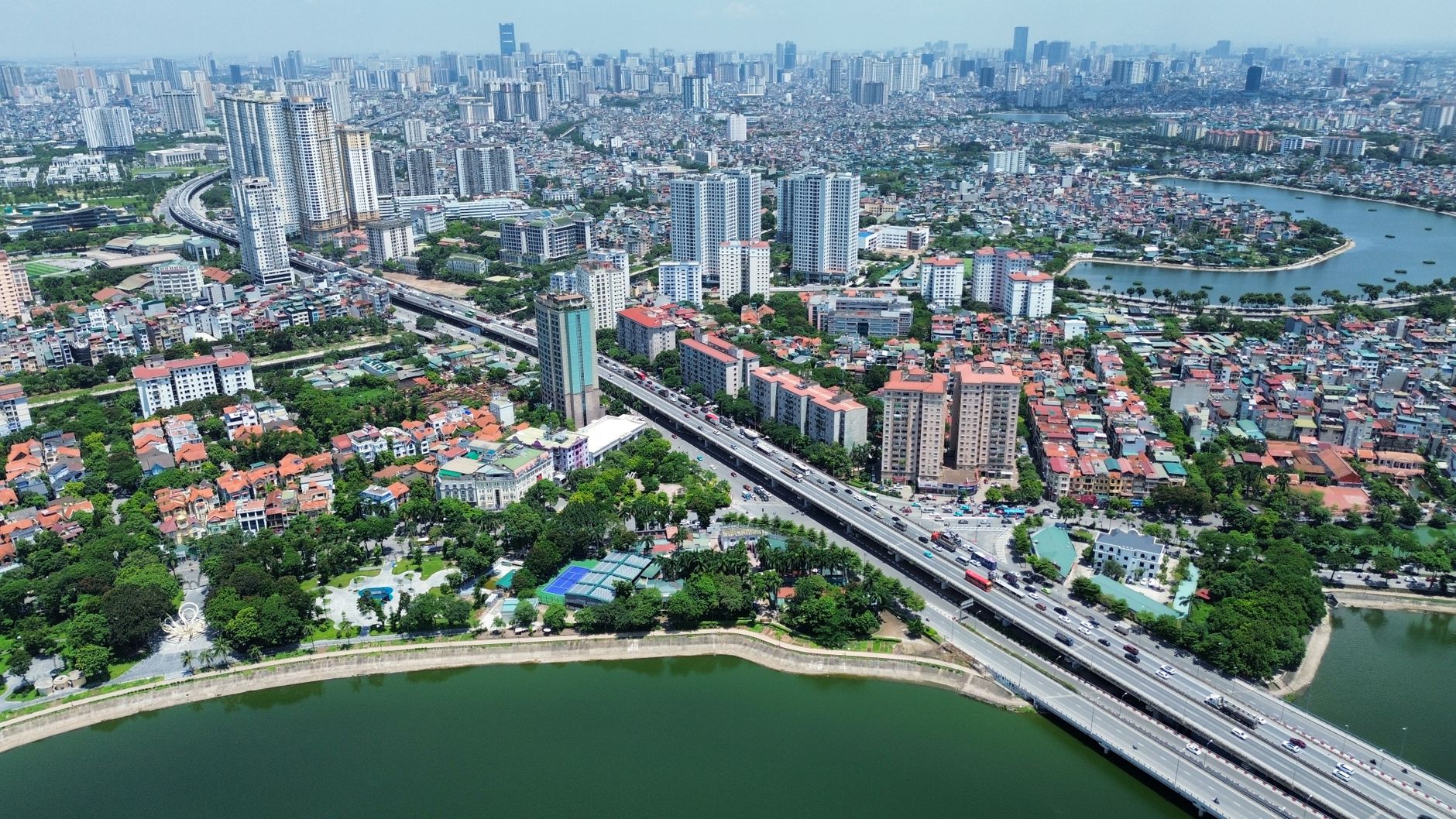
Imagine walking into a city office, filing a land‑ownership request, and walking out with a digital receipt in minutes instead of days. That future is no longer a distant dream for Ho Chi Minh City (HCMC). The municipal government has thrown the switch on an ambitious data‑digitisation programme, aiming to transform a sprawling, paper‑laden archive into a sleek, cloud‑based platform that can be accessed by citizens, developers, and planners alike. The ripple effects—faster transactions, reduced fraud, and data‑driven urban design—could reshape how Vietnam’s biggest metropolis grows for the next generation.
What's Going On
According to HCM City speeds up land data digitisation work under Resolution No. 57, the city council adopted a new resolution that sets aggressive targets for converting all land‑use and ownership records into a unified digital system by the end of 2027. The plan bundles together three core initiatives: (1) scanning and OCR‑processing of legacy paper files, (2) building an interoperable GIS layer that links cadastral data with zoning maps, and (3) launching a public portal where residents can query, verify, and even submit updates to their property information.
The technical backbone hinges on a partnership with a consortium of local IT firms and a leading cloud provider. Together they are deploying high‑resolution scanners, AI‑driven text‑recognition models, and blockchain‑style hash verification to guarantee data integrity. Early pilots in District 1 and District 7 have already cut processing times from weeks to under 48 hours, and city officials say the rollout will soon expand to the remaining 22 districts.
Funding for the project is a blend of municipal budget allocations, central‑government grants, and a modest private‑sector contribution. The resolution also mandates quarterly public dashboards that display progress metrics, error rates, and citizen‑feedback scores, reinforcing a culture of transparency that has been elusive in traditional land‑registry offices.
Why This Matters
Beyond the obvious convenience, the digitisation drive signals a strategic pivot toward data‑centric governance. As LLMs Lower Barriers in Math Proofs. Math illustrates, the proliferation of large‑language models is lowering the expertise threshold for complex data analysis, and city administrations are beginning to harness those tools for policy simulation. In HCMC’s case, the newly minted digital land database will feed predictive models that forecast housing demand, identify flood‑prone zones, and optimise public‑transport routes.
The impact on the real‑estate market could be profound. Transparent ownership records reduce the shadow‑economy of undocumented transactions, encouraging both domestic and foreign investors to commit capital with greater confidence. Moreover, faster title transfers streamline construction timelines, potentially easing the chronic housing shortage that has plagued the city for years.
Citizens stand to gain the most tangible benefits. No longer will families need to trek across multiple offices with stacks of paperwork; a simple mobile app will let them verify ownership, pay fees, and receive digital certificates. For low‑income households, this reduces both time and monetary costs, fostering a more inclusive urban environment.
What It Means for the Industry
The private‑sector tech ecosystem in Vietnam is poised to ride this wave of digital transformation. Start‑ups specializing in GIS analytics, AI‑enhanced document processing, and blockchain verification are already courting municipal contracts, while larger enterprises see an opportunity to scale their solutions across other provinces. The ripple effect extends to ancillary industries such as legal services, where firms will need to adapt to a new workflow that blends traditional due‑diligence with automated data checks.
For multinational corporations eyeing Southeast Asian expansion, HCMC’s initiative serves as a benchmark for regulatory modernisation. Companies that can integrate with the city’s open data APIs will gain privileged access to real‑time land‑use insights, informing decisions on site selection, supply‑chain logistics, and sustainability reporting.
From a policy perspective, the project underscores the importance of public‑private collaboration in building resilient smart‑city infrastructure. By mandating open standards and interoperable formats, the resolution ensures that future upgrades—whether they involve quantum‑ready encryption or next‑gen AI analytics—can be layered on without massive overhauls.
In this ecosystem, the role of interdisciplinary research becomes critical. As highlighted in a recent feature on Vietnam’s maritime ambitions, blending engineering, data science, and environmental studies can accelerate national goals. Similarly, the land‑digitisation effort benefits from cross‑domain expertise, marrying cadastral law, geospatial engineering, and machine‑learning to deliver a robust, future‑proof system. Interdisciplinary science drives Việtprovides a compelling parallel.
What Happens Next
City officials have pledged to release the full announcement of the next phase by the end of the quarter, which will include a roadmap for integrating the digitised land data with the upcoming smart‑traffic management system. That integration will enable dynamic toll pricing, real‑time construction alerts, and automated emergency‑response routing based on up‑to‑date property layouts.
Looking ahead, the success of HCMC’s digitisation could inspire a cascade of similar projects in Hanoi, Da Nang, and other growing Vietnamese cities. The central government has already hinted at a national framework that would standardise data formats, allowing seamless cross‑city queries and a unified national land‑registry platform.
For readers, the takeaway is clear: the era of paper‑heavy bureaucracy in Vietnam’s urban centres is winding down. As digital land records become the norm, opportunities will emerge for innovators, investors, and everyday citizens alike. Stay tuned, because the next few years will likely see HCMC not just as a bustling metropolis, but as a living laboratory for how data can power smarter, fairer, and more livable cities.