
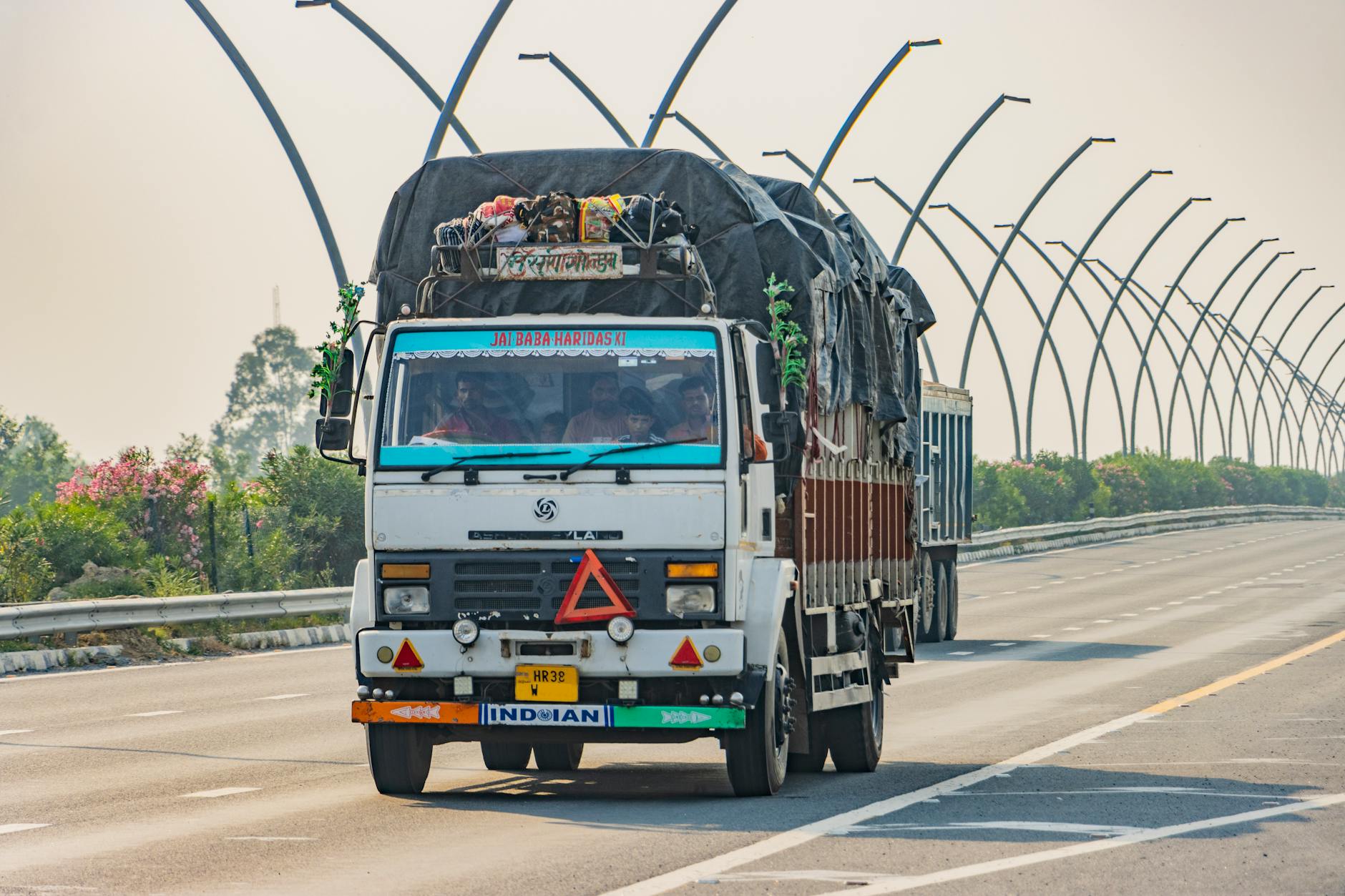
Govt Signs Agreement with DICV for Replacement of Old Trucks and Buses in Delhi-NCR
The Delhi government has taken a significant step towards reducing air pollution and promoting sustainable transportation in the Delhi-NCR region by signing an agreement with Daimler India Commercial Vehicles (DICV). The agreement aims to replace old trucks and buses in the region with newer, cleaner vehicles, according to a report by Social News.
The Delhi government has been working towards reducing air pollution in the region for several years, and this agreement is a major step towards achieving that goal. The region has some of the worst air quality in the world, with high levels of particulate matter and other pollutants. By replacing old trucks and buses with newer vehicles, the government hopes to reduce emissions and improve air quality.
The agreement with DICV is a significant development in the region's efforts to promote sustainable transportation. DICV is a leading manufacturer of commercial vehicles in India, and its partnership with the Delhi government will help to drive the adoption of cleaner vehicles in the region. The company has already begun to introduce electric and hybrid vehicles in its lineup, and this agreement will help to accelerate the transition to cleaner transportation in the Delhi-NCR region.
Why This Matters
The replacement of old trucks and buses with newer, cleaner vehicles is a major step towards reducing air pollution in the Delhi-NCR region. The region's air quality is a major concern, with high levels of particulate matter and other pollutants affecting the health of residents. By reducing emissions from transportation, the government aims to improve air quality and reduce the health impacts associated with poor air quality.
Industry analysts note that the adoption of cleaner vehicles is a key trend in the transportation sector, as governments and consumers increasingly prioritize sustainability and reduce emissions. According to a report by Jalopnik, hybrids are having a moment, as high gas prices push buyers away from gas guzzlers and towards more fuel-efficient options.
The replacement of old trucks and buses with newer vehicles will also have a significant impact on the regional economy. The transportation sector is a major driver of economic activity in the Delhi-NCR region, and the adoption of cleaner vehicles will help to create new jobs and stimulate economic growth. The government's efforts to promote sustainable transportation will also help to attract investment and talent to the region.
What It Means for the Industry
The agreement between the Delhi government and DICV is a significant development for the commercial vehicle industry in India. The partnership will help to drive the adoption of cleaner vehicles in the region, and will create new opportunities for the industry to grow and expand. The agreement also highlights the importance of sustainability in the transportation sector, and will help to drive innovation and investment in the industry.
The adoption of cleaner vehicles is a key trend in the transportation sector, as governments and consumers increasingly prioritize sustainability and reduce emissions. The industry is responding to this trend by investing in new technologies and products, such as electric and hybrid vehicles. The agreement between the Delhi government and DICV will help to accelerate this trend and drive the adoption of cleaner vehicles in the region.
The partnership between the Delhi government and DICV also highlights the importance of collaboration and partnership in the transportation sector. The industry is complex and multifaceted, and requires collaboration and partnership between governments, manufacturers, and other stakeholders to drive innovation and growth. The agreement between the Delhi government and DICV is a key example of this kind of collaboration, and will help to drive the adoption of cleaner vehicles in the region.
What Happens Next
What's Next for the Delhi-NCR Region
The Delhi government's agreement with DICV marks an important step towards reducing air pollution and promoting sustainable transportation in the Delhi-NCR region. However, there is still much work to be done to achieve the region's sustainability goals. According to a report by Financial Content, EV adoption is exceeding expectations around the world, and the Delhi government will need to continue to invest in and promote sustainable transportation options to stay on track with this trend.
The region will also need to continue to invest in infrastructure and technology to support the adoption of cleaner vehicles. This will include investing in charging infrastructure for electric vehicles, as well as developing new technologies and products to support the growth of the industry. The region will also need to continue to work with manufacturers and other stakeholders to drive innovation and growth in the industry.
The agreement between the Delhi government and DICV is a significant step towards reducing air pollution and promoting sustainable transportation in the Delhi-NCR region. However, there is still much work to be done to achieve the region's sustainability goals. By continuing to invest in and promote sustainable transportation options, the region can create a cleaner, healthier, and more sustainable future for its residents.
Conclusion
The Delhi government's agreement with DICV is a significant step towards reducing air pollution and promoting sustainable transportation in the Delhi-NCR region. The partnership will help to drive the adoption of cleaner vehicles in the region, and will create new opportunities for the industry to grow and expand. The agreement also highlights the importance of sustainability in the transportation sector, and will help to drive innovation and investment in the industry.
The adoption of cleaner vehicles is a key trend in the transportation sector, as governments and consumers increasingly prioritize sustainability and reduce emissions. The industry is responding to this trend by investing in new technologies and products, such as electric and hybrid vehicles. The agreement between the Delhi government and DICV will help to accelerate this trend and drive the adoption of cleaner vehicles in the region.
As the region continues to grow and develop, it is likely to face new challenges and opportunities in the transportation sector. However, with the support of partners like DICV, the region can create a cleaner, healthier, and more sustainable future for its residents.
Additional Developments
Recently, Tesla announced plans to establish a massive electric vehicle repair hub in Miami Gardens, Florida. According to a report by Hoodline, the hub will be used to repair and maintain Tesla's growing fleet of electric vehicles. This development is likely to have significant implications for the electric vehicle industry, and may provide new opportunities for the region to grow and expand.
The adoption of electric vehicles is a key trend in the transportation sector, and is likely to continue to grow and expand in the coming years. As the industry continues to evolve, it is likely to face new challenges and opportunities. However, with the support of partners like DICV, the region can create a cleaner, healthier, and more sustainable future for its residents.


