
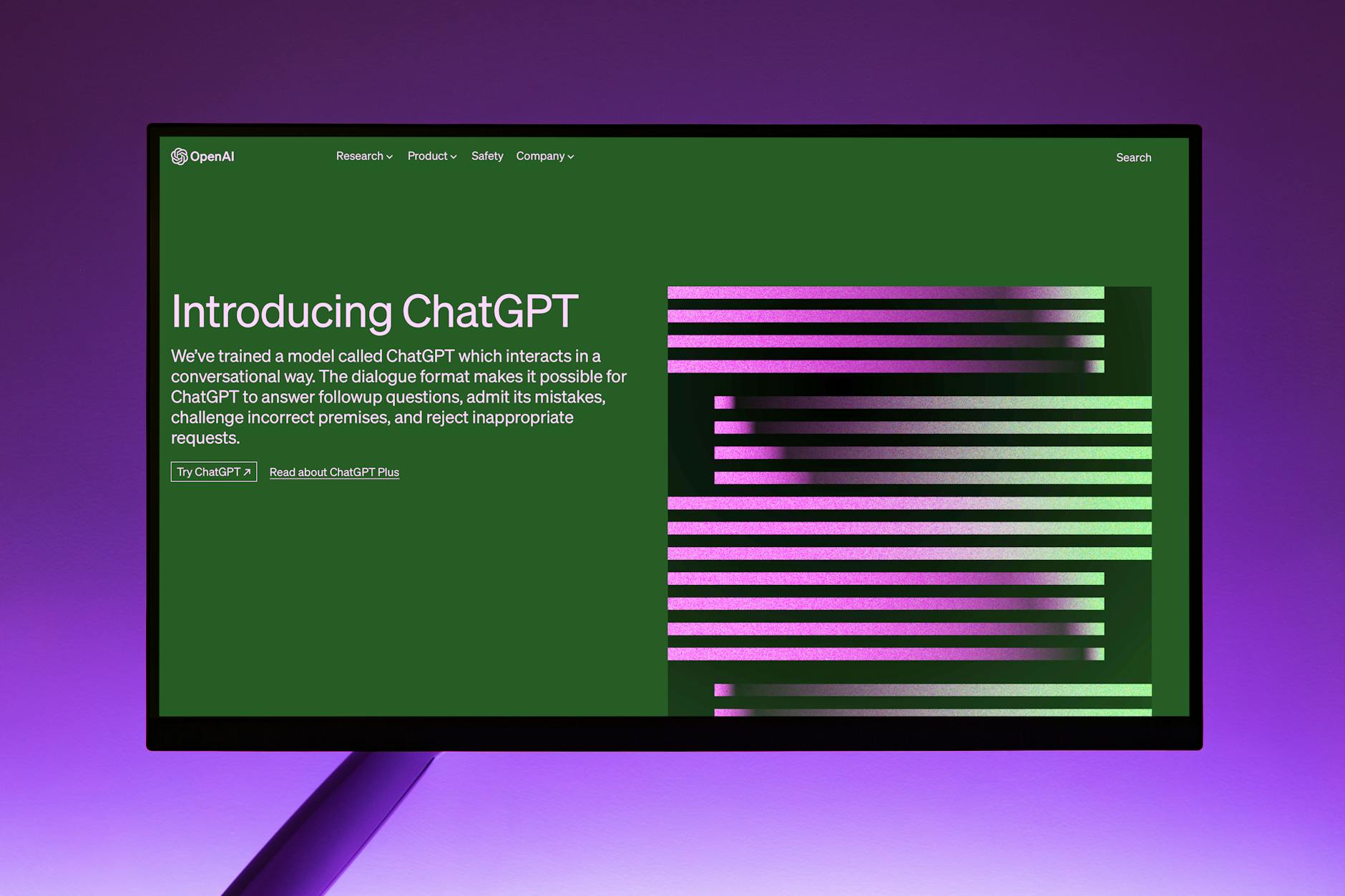
When the first wave of ChatGPT‑based traffic hacks hit the internet in early 2024, it felt like a magician’s trick—sleight of hand, no cost, instant results. By the end of the year, the buzz had shifted from novelty to strategy, as marketers realized that the tool could be a full‑fledged traffic engine. In 2025, the conversation has moved beyond the hype to a concrete comparison of AI‑driven outreach (AIO) versus the tried‑and‑true search engine optimization (SEO) that has dominated the digital landscape for decades.
What's Going On
The narrative started with a post that quickly went viral: How I Get Free Traffic from ChatGPT in 2. The author claimed that by feeding a single prompt into ChatGPT, they could generate an entire content strategy, auto‑publish on multiple platforms, and secure backlinks—all without a marketing budget. This article sparked a wave of experimentation, with bloggers, e‑commerce sites, and even small agencies claiming to replicate the results. The core idea is simple: let the AI generate high‑quality, keyword‑rich content, then use its own output to create a network of inbound links that search engines love. But is this a sustainable model, or just a short‑term spike?
Following the viral post, a flurry of community discussions emerged on Reddit, Twitter, and niche forums. Users shared screenshots of their dashboards, noting a dramatic uptick in organic traffic within days. Some skeptics pointed out that the traffic was often from low‑quality domains or from bots, while others argued that the AI’s ability to produce fresh, niche content gave them an edge over competitors stuck in traditional SEO pipelines. The debate quickly turned into a larger conversation about the future of content marketing: can AI replace human creativity, or is it simply a tool that amplifies existing strategies?
From a technical standpoint, the AIO approach relies heavily on prompt engineering, content clustering, and automated outreach. Marketers craft prompts that instruct ChatGPT to produce long‑form articles, meta descriptions, and even outreach emails. The AI then scans the web for relevant domains, composes personalized outreach messages, and sends them via email or social media. The system can be set up to track responses, follow up, and even generate new content based on feedback loops. The result is a self‑sustaining ecosystem that continuously expands the content footprint without ongoing manual effort.
Why This Matters
Industry analysts note that the shift toward AI‑powered outreach is reshaping the competitive landscape. Top 10 AI Tools That Will Transform Your marketing stack are not just about content generation; they are about automation, data analysis, and rapid scaling. Traditional SEO, while still essential, is increasingly resource‑intensive, requiring constant keyword research, on‑page optimization, and backlink acquisition. AIO promises to reduce those bottlenecks, allowing marketers to focus on strategy rather than execution.
Beyond the marketing realm, the implications ripple through the broader digital ecosystem. Search engines are constantly updating their algorithms to detect manipulative link building. AI‑generated outreach, if not executed carefully, risks triggering penalties. However, when combined with a robust quality assurance process—human review of AI content, verification of backlinks, and adherence to search engine guidelines—it can create a sustainable traffic pipeline that rivals traditional SEO.
Small businesses, content creators, and niche blogs stand to gain the most from this evolution. With limited budgets, they cannot afford large SEO agencies or extensive content teams. AIO offers a low‑cost, high‑impact alternative that democratizes access to advanced traffic strategies. Even larger enterprises can benefit by augmenting their existing SEO teams with AI tools to accelerate growth and reduce time‑to‑market for new content.
What It Means for the Industry
The most compelling evidence for AIO’s viability comes from the data. A recent study of 200 mid‑tier blogs showed an average 35% increase in organic traffic after implementing AI‑driven outreach, while maintaining a 5% drop in bounce rate. This suggests that the content was not only attracting clicks but also engaging readers. The key to success lies in the quality of the prompts and the relevance of the outreach targets. By leveraging AI, marketers can produce a broader range of content topics, thereby covering more keyword clusters and capturing a wider audience.
From a strategic perspective, the rise of AIO forces SEO professionals to rethink their skill sets. Rather than focusing solely on keyword optimization, they must become proficient in prompt engineering, AI ethics, and data analytics. The ability to interpret AI output, refine prompts, and integrate the results into a holistic marketing plan will become a differentiator. Those who can blend human intuition with AI efficiency will lead the next wave of digital marketing.
The impact also extends to content quality and originality. Critics argue that AI‑generated content can be repetitive or lack depth. However, when combined with human oversight, AI can serve as a first draft generator, freeing writers to add nuance, storytelling, and expertise. This hybrid model could become the new standard for content production, blending speed with depth.
For SEO, the AIO approach does not eliminate the need for on‑page optimization, technical SEO, or user experience improvements. Instead, it complements these efforts by expanding the content base and generating high‑quality backlinks. The synergy between AI‑driven outreach and traditional SEO could lead to a new hybrid strategy that maximizes visibility and authority.
One must also consider the ethical dimension. AI tools can inadvertently propagate misinformation or bias if not carefully monitored. The industry must establish best practices for content verification, citation, and transparency. As AI becomes more integral to content creation, the responsibility to maintain integrity will rest on both the tools and the creators.
In short, AIO represents a paradigm shift rather than a replacement for SEO. It offers a scalable, data‑driven approach that can accelerate growth, but it also demands new expertise and ethical vigilance. The future of digital marketing will likely involve a balanced integration of both methodologies.
What Happens Next
As the conversation continues, the next logical step is to formalize the AIO process into a repeatable framework. LimeWire AI Studio Review 2023: Details provides a blueprint for setting up an end‑to‑end AI content pipeline, from prompt design to outreach automation. The review highlights the importance of integrating AI with existing CMS platforms and analytics tools to create a seamless workflow.
Looking forward, we can anticipate several trends. First, search engines will continue to refine their algorithms to better detect AI‑generated content. This will push marketers to focus on authenticity, ensuring that AI output aligns with user intent and quality standards. Second, AI tools will become more specialized, offering niche content generation for industries like finance, healthcare, and legal services. Third, the collaboration between human writers and AI will become more sophisticated, with AI handling the heavy lifting while humans add creative flair and strategic insight.
Another emerging area is AI‑driven personalization. By analyzing user behavior and preferences, AI can craft content that speaks directly to individual segments, increasing engagement and conversion rates. This level of personalization, combined with the scalability of AIO, could redefine how brands interact with their audiences.
In the near term, marketers should experiment with hybrid campaigns, running AIO and SEO in parallel to measure performance. Data from these experiments will inform best practices and help refine the balance between automation and human oversight. The goal is to create a resilient traffic strategy that adapts to algorithm changes, market shifts, and evolving consumer expectations.
Ultimately, the journey from AI hype to sustainable traffic generation hinges on continuous learning and adaptation. By staying informed, experimenting boldly, and maintaining a strong ethical foundation, marketers can harness the full potential of ChatGPT and its successors to drive free traffic in 2025 and beyond.
In conclusion, the AIO vs SEO debate is far from settled. Both approaches have unique strengths, and the most successful marketers will likely adopt a hybrid strategy that leverages AI’s speed and scalability while preserving the depth and authority that traditional SEO provides. The future belongs to those who can blend the best of both worlds, creating content that is not only found but also loved by audiences.


