
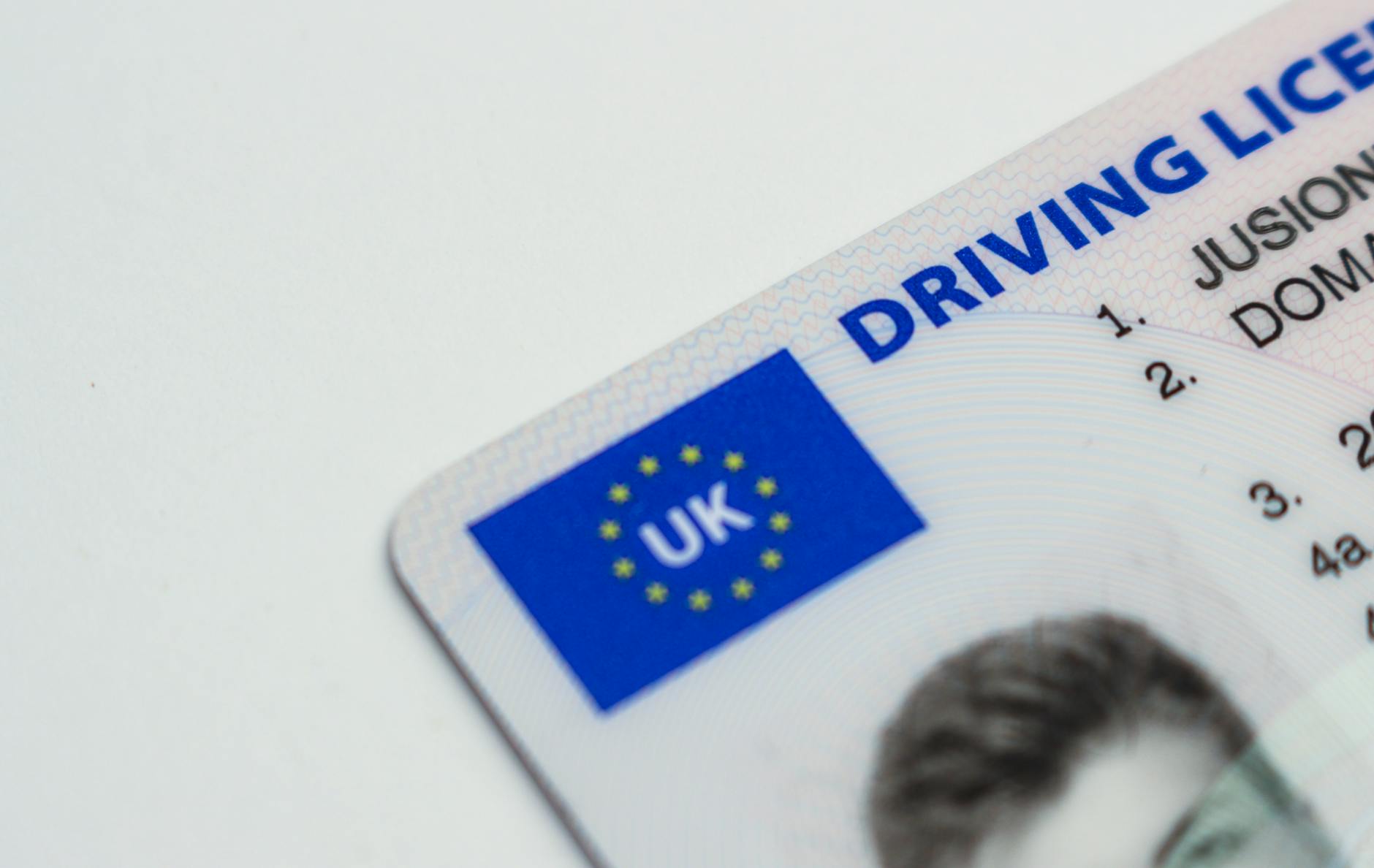
Imagine scrolling through a dark‑web marketplace and seeing a flood of high‑resolution driver’s license images, each tagged with personal details that could unlock bank accounts, credit cards, and even passports. That’s the unsettling reality investigators are now confronting, and it’s not a one‑off glitch—it’s a massive data leak that could affect millions of Americans. The FBI has launched a deep dive into an ID verification company that allegedly allowed these scans to slip through its security nets, turning a trusted service into a conduit for cybercriminals. In this post, we’ll unpack what’s happening, why it matters to anyone who uses a digital ID check, and what the next steps might look like for the industry and for you.
What’s Going On
According to Millions of Driver’s License Scans Flood, the FBI’s cyber‑crime division intercepted a surge of driver’s license images being sold on several notorious dark‑web forums. The scans appear to have originated from a single verification platform that many online services rely on to confirm a user’s identity during onboarding. The platform’s API, designed to streamline “know‑your‑customer” (KYC) checks, allegedly exposed a back‑end vulnerability that allowed threat actors to harvest and republish the data at scale.
What makes this breach especially alarming is the sheer volume of records—estimates suggest that over two million unique licenses have been uploaded to illicit marketplaces in the past six months alone. The data isn’t just a flat image; it often includes QR codes, barcodes, and metadata that can be parsed by automated tools to extract personal identifiers, expiration dates, and even the issuing authority. For criminals, that level of detail is a gold mine for crafting synthetic identities, bypassing two‑factor authentication, and conducting financial fraud.
Industry insiders point to a confluence of factors that enabled the leak. First, the verification firm reportedly outsourced portions of its data processing to third‑party cloud providers without enforcing strict encryption at rest. Second, the firm’s rate‑limiting controls were insufficient, allowing automated scripts to query the API thousands of times per minute. Finally, a lack of comprehensive audit logs meant that anomalous activity went unnoticed until the FBI’s undercover operation flagged the abnormal traffic patterns. The result is a textbook case of how supply‑chain weaknesses can cascade into a full‑blown data exposure.
Why This Matters
As noted in IT Security News Daily Summary 2026-09-04, the fallout from this breach ripples far beyond the immediate victims. Many fintech startups, gig‑economy platforms, and even government portals rely on the compromised verification service to vet users. When that trust is broken, the entire ecosystem of digital identity verification faces a credibility crisis. Companies may be forced to pause onboarding, re‑verify millions of accounts manually, and incur hefty compliance costs—all while dealing with a potential wave of fraud complaints.
Beyond the operational headaches, the breach underscores a broader shift in cyber‑crime tactics. Threat actors are no longer content with stealing passwords; they are targeting the very documents that prove who we are. By weaponizing driver’s licenses, they can create “ghost” identities that bypass traditional fraud detection models, especially those that rely on static personal data. This elevates the risk profile for banks, insurers, and any entity that extends credit based on identity verification.
Consumers, too, are in the crosshairs. A compromised driver’s license can be used to open new accounts, file false tax returns, or even impersonate someone in legal proceedings. The psychological impact of knowing that a piece of government‑issued identification is now publicly available cannot be underestimated. It erodes public confidence in digital services and may push users back toward outdated, paper‑based verification methods, slowing down the broader push for digital transformation.
What It Means for the Industry
The incident forces a reckoning for the entire identity‑verification market. Vendors will need to revisit their security architectures, especially around API exposure and data handling practices. Encryption, tokenization, and zero‑knowledge proofs are no longer optional add‑ons; they are becoming baseline requirements to protect sensitive personal documents. Companies that have already invested in decentralized identity (DID) solutions may find a competitive edge, as these frameworks minimize the amount of personally identifiable information (PII) stored in any single repository.
Recent analysis in AI Attack Surfaces and Supply Chain Threats highlights how AI‑driven automation can both exacerbate and mitigate these risks. On one hand, AI can accelerate credential harvesting by parsing scanned documents at scale. On the other, AI‑powered anomaly detection can flag abnormal API usage patterns in real time, giving defenders a chance to intervene before data exfiltration reaches the dark web. The industry will likely see a surge in AI‑enabled security solutions tailored specifically for identity‑verification pipelines.
Regulators are also expected to tighten the rules around data stewardship for verification providers. The European Union’s Digital Services Act and the U.S. state‑level data‑privacy statutes are already moving toward stricter accountability for third‑party processors. Companies that fail to demonstrate robust data‑protection measures could face hefty fines, legal liability, and irreversible brand damage. In short, the era of “soft‑landing” data breaches is over; the next wave will be met with swift regulatory and market backlash.
What Happens Next
The full announcement can be read in AI agents found an abandoned corner of the internet, which details the FBI’s ongoing investigation and the steps being taken to dismantle the illicit marketplaces. While the agency has not disclosed the identity of the verification firm, sources suggest that a coordinated takedown of the dark‑web listings is already in progress, and law‑enforcement is working with international partners to trace the data back to its source.
For businesses, the immediate priority is to audit any third‑party verification services in use, verify that proper encryption and access controls are in place, and consider implementing multi‑factor identity checks that do not rely solely on a single document. Consumers should monitor their credit reports, set up fraud alerts, and consider identity‑theft protection services as a precautionary measure.
Looking ahead, the incident is likely to catalyze a wave of innovation in privacy‑preserving identity solutions. Expect to see more adoption of blockchain‑based credentials, biometric verification that never stores raw images, and tighter integration of AI‑driven risk scoring. The dark web may have flooded the market with stolen licenses, but the industry’s response could usher in a new era of resilient, user‑centric digital identity.


