
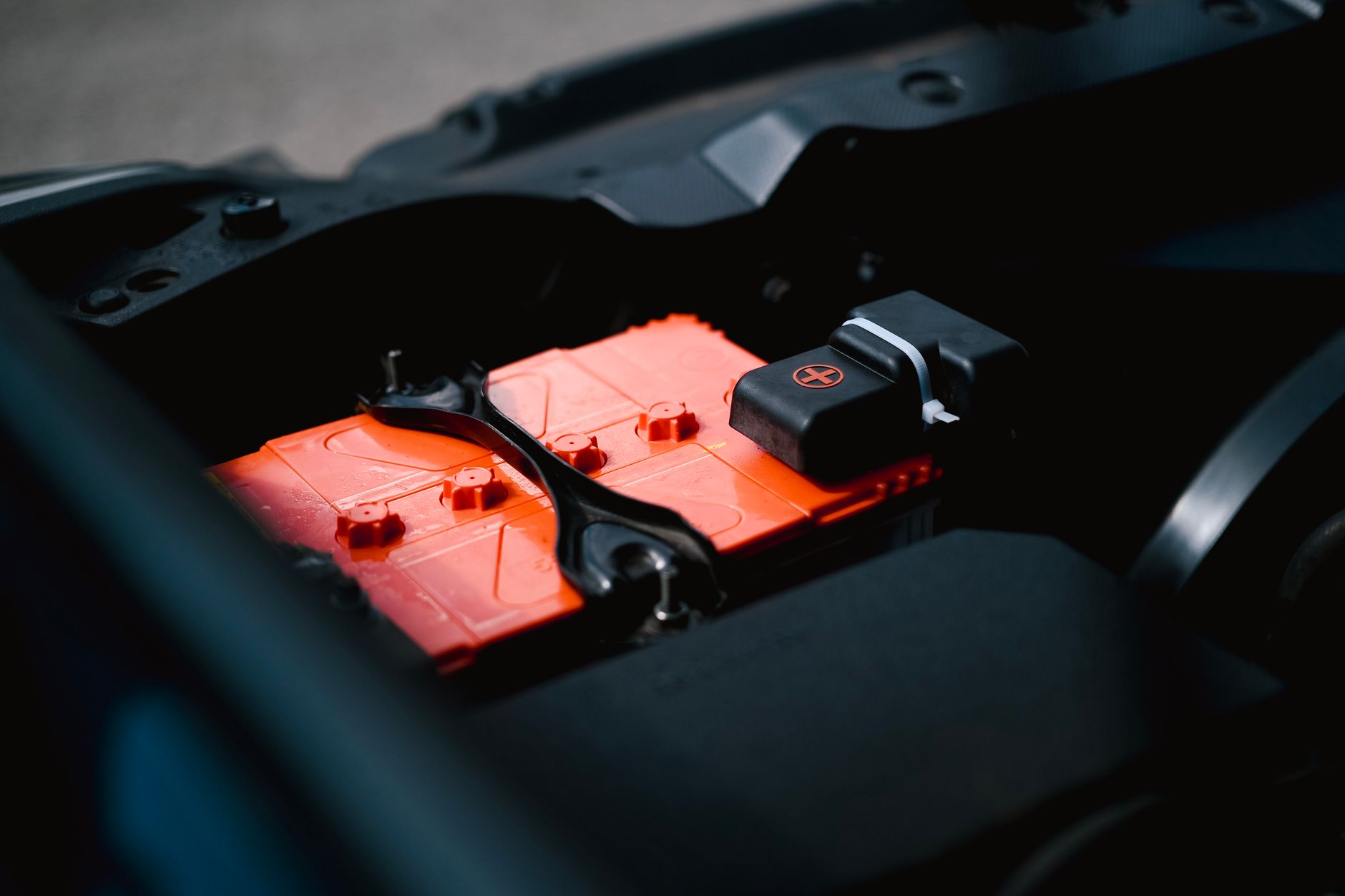
FAW Tests Sodium-Ion Battery on Heavy Truck: 90% Capacity Retention in Extreme Cold and 20-Minute Charging
Chinese automaker FAW has made a significant breakthrough in the development of sodium-ion batteries, a crucial component in the transition to electric vehicles. According to a recent report from batteriesnews.com, FAW has successfully tested a sodium-ion battery on a heavy truck, achieving a remarkable 90% capacity retention in extreme cold temperatures and a rapid 20-minute charging time.
The testing was conducted in a controlled environment, simulating the harsh conditions that vehicles would typically face in cold climates. The results demonstrate the sodium-ion battery's ability to perform consistently in extreme temperatures, marking a significant step forward in the development of sustainable energy storage solutions.
Nearly all car manufacturers are making significant investments in new battery technologies. FAW has been at the forefront of this development, and this latest achievement underscores their commitment to creating more efficient and environmentally friendly vehicles.
Why This Matters
The widespread adoption of electric vehicles is critical for reducing greenhouse gas emissions and mitigating the effects of climate change. However, the development of more efficient and sustainable battery technologies is essential to making electric vehicles a viable option for the masses. According to industry analysts, NIO's recent announcement of 100,000 cumulative deliveries for the Onvo L60 is a testament to the growing demand for electric vehicles.
The sodium-ion battery's impressive performance in extreme cold temperatures and rapid charging capabilities make it an attractive option for vehicle manufacturers looking to reduce emissions and improve driving ranges. This technology has the potential to revolutionize the electric vehicle industry, enabling longer driving ranges and faster charging times while reducing the overall cost of ownership.
The sodium-ion battery's potential to disrupt the energy storage market is significant. With FAW's successful testing, we can expect to see more manufacturers investing in this technology, driving innovation and competition in the industry.
What It Means for the Industry
The FAW sodium-ion battery test results have far-reaching implications for the electric vehicle industry. As more manufacturers adopt this technology, we can expect to see a significant shift towards sustainable energy storage solutions. The sodium-ion battery's potential to improve driving ranges and reduce charging times will make electric vehicles more appealing to consumers, driving demand and fueling further innovation.
The sodium-ion battery's impact extends beyond the electric vehicle industry, as it has the potential to revolutionize the broader energy storage market. With its ability to perform consistently in extreme temperatures, this technology can be applied to a wide range of applications, from renewable energy storage to grid-scale energy management.
The strategic implications of the sodium-ion battery's development are significant. As more manufacturers invest in this technology, we can expect to see a shift towards more sustainable and efficient energy storage solutions. This will drive innovation and competition in the industry, ultimately benefiting consumers and the environment.
What Happens Next
The FAW sodium-ion battery test results mark a significant milestone in the development of sustainable energy storage solutions. As more manufacturers invest in this technology, we can expect to see a rapid expansion of sodium-ion battery applications across various industries. According to a recent JD Power 2026 U.S. Initial Quality Study, Genesis has surged to second overall, highlighting the importance of innovation and quality in the automotive industry.
The sodium-ion battery's potential to disrupt the energy storage market is significant, and we can expect to see more manufacturers investing in this technology. As the industry continues to evolve, we can expect to see a shift towards more sustainable and efficient energy storage solutions, ultimately benefiting consumers and the environment.
The outlook for the sodium-ion battery is promising, with its potential to revolutionize the electric vehicle industry and beyond. As more manufacturers invest in this technology, we can expect to see a rapid expansion of sodium-ion battery applications, driving innovation and competition in the industry.


