
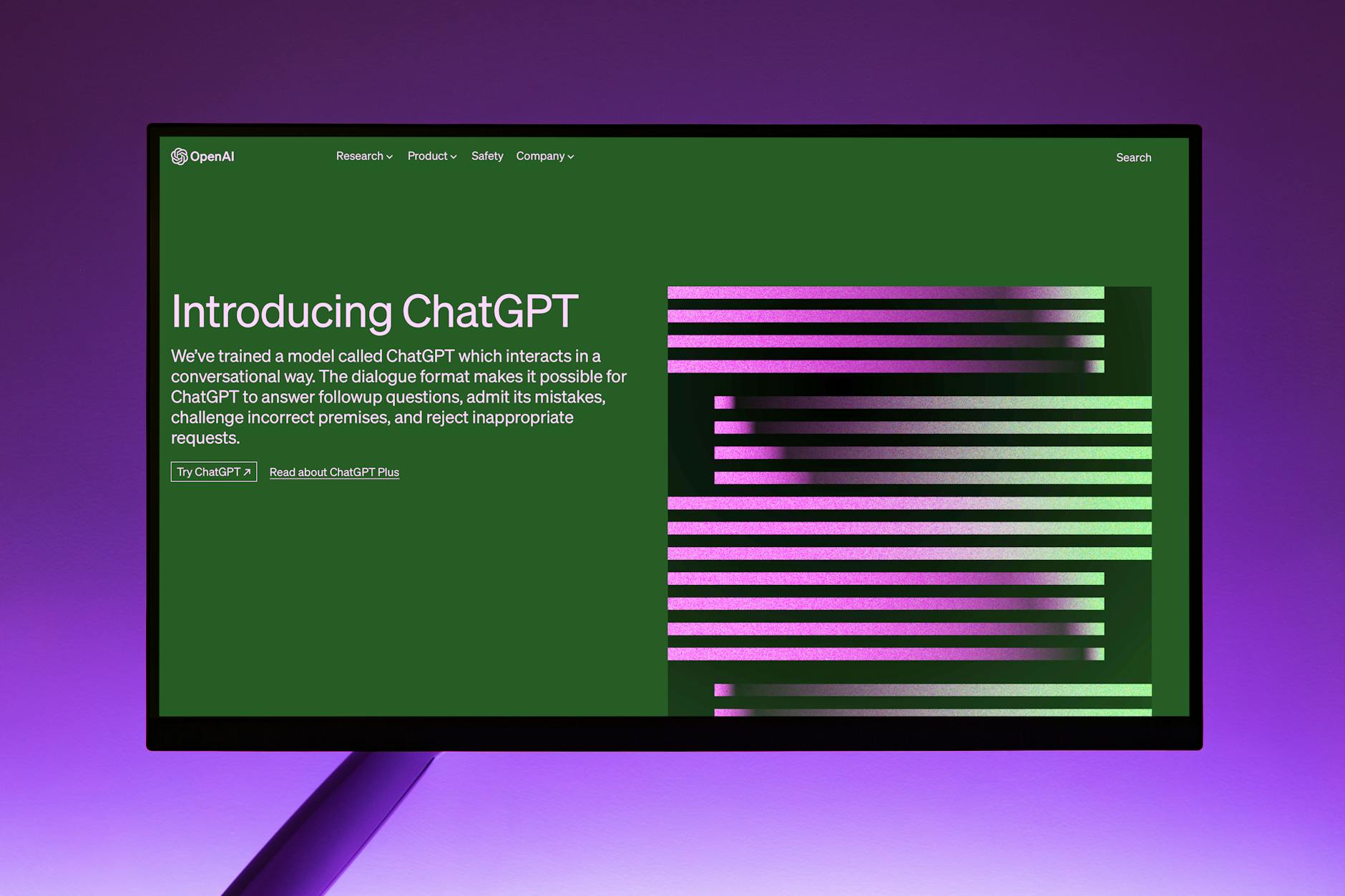
Imagine a world where the most advanced language model, once reserved for a handful of research labs, is now at the fingertips of indie developers, midsize startups, and even hobbyists tinkering in their home offices. That vision is no longer a distant dream. OpenAI’s latest move to broaden availability of its frontier models—headlined by the debut of GPT‑6 Astra—signals a seismic shift in how artificial intelligence will be woven into everyday products, services, and creative endeavors.
What's Going On
Earlier this week, WebWire's announcement detailed OpenAI’s strategy to democratize its most powerful models, allowing a wider spectrum of users to tap into the capabilities that powered the latest breakthroughs in natural language understanding, multimodal reasoning, and real‑time adaptation. The press release outlines a tiered access plan that blends cloud‑based APIs, on‑premise licensing, and a new “developer sandbox” that lets experimenters test GPT‑6 Astra without the massive compute budgets that traditionally limited such exploration.
At the core of this rollout is GPT‑6 Astra, a model that builds on the multimodal foundation of its predecessor while introducing a deeper contextual memory, enhanced safety layers, and a more efficient inference engine. Astra can process longer text sequences—up to 128 k tokens—while maintaining coherence, making it ideal for drafting extensive reports, generating codebases, or even co‑authoring novels in real time. Moreover, the model’s multimodal abilities now include video frame interpretation, enabling developers to build applications that understand and generate content across text, image, and video domains.
OpenAI is also unveiling a “responsible use” framework that couples usage quotas with real‑time monitoring for toxic content, bias, and privacy risks. By integrating these safeguards directly into the API, the company hopes to lower the barrier for responsible innovation while keeping a watchful eye on potential misuse.
Why This Matters
From a market perspective, the ripple effects are massive. PCMag's desktop guide recently highlighted how modern AI workloads are reshaping hardware requirements, and OpenAI’s broader licensing model accelerates that trend. Companies that previously needed to invest in costly on‑premise GPU clusters can now leverage Astra through scalable cloud endpoints, dramatically reducing capital expenditures and time‑to‑market.
The democratization of frontier models also levels the playing field for smaller players. Startups that once struggled to compete with tech giants now have a tool that can generate high‑quality marketing copy, automate customer support, and even prototype sophisticated data‑analysis pipelines with a few lines of code. This could catalyze a wave of AI‑first products across sectors ranging from fintech to healthtech, where domain‑specific knowledge can be infused into a general‑purpose model via fine‑tuning.
Beyond the business realm, educators and researchers stand to benefit. Academic institutions can integrate Astra into curricula, giving students hands‑on experience with state‑of‑the‑art language models without the overhead of maintaining large GPU farms. OpenAI’s commitment to transparent safety metrics also offers a valuable teaching resource for ethics courses, illustrating how technical safeguards can be baked into AI services.
What It Means for the Industry
For incumbents, the message is clear: adapt or risk obsolescence. Enterprises that have built proprietary language models may find themselves outpaced by the speed at which Astra can be deployed and iterated upon. The new licensing structure encourages a hybrid approach—leveraging OpenAI’s core model for baseline capabilities while layering proprietary data and domain‑specific logic on top.
Strategically, this move could reshape the AI talent market. As more developers gain access to powerful models, the demand for prompt engineering, model fine‑tuning, and safety oversight roles will surge. Companies that invest early in upskilling their workforce will likely capture a competitive edge, while those that lag may struggle to attract the next generation of AI‑savvy talent.
From a technical standpoint, the expanded access to GPT‑6 Astra will likely drive a surge in open‑source tooling and community‑driven libraries. Expect to see a proliferation of SDKs, plug‑ins for popular IDEs, and low‑code platforms that abstract away the complexities of interacting with a 200‑billion‑parameter model. This ecosystem growth mirrors the early days of cloud computing, where a handful of APIs sparked an entire industry of ancillary services.
Moreover, the integration of Astra’s multimodal capabilities opens doors for novel user experiences. Imagine smart home devices that understand spoken commands, interpret visual cues from a camera feed, and respond with context‑aware actions—all powered by a single model. This convergence could accelerate the development of truly ambient computing environments.
Finally, the responsible‑use framework signals a shift toward industry‑wide standards for AI safety. By embedding monitoring tools directly into the API, OpenAI sets a precedent that may push competitors to adopt similar safeguards, fostering a healthier ecosystem where innovation coexists with accountability.
What Happens Next
Looking ahead, Inquirer analysis suggests that the rollout will be phased, starting with a beta cohort of developers who will provide feedback on performance, pricing, and safety features. This iterative approach allows OpenAI to fine‑tune the service before a full public launch later in the year.
In the coming months, we can anticipate a wave of case studies showcasing Astra’s impact—from a media startup that cut content creation costs by 40 % to a biotech firm that accelerated literature review cycles using the model’s extended context window. These success stories will serve as proof points for enterprises still on the fence about adopting external AI services.
Another critical development will be the emergence of regulatory conversations. As more organizations embed Astra into mission‑critical workflows, governments and standards bodies will likely scrutinize data privacy, model transparency, and bias mitigation practices. OpenAI’s early commitment to safety may give it a head start in shaping those regulatory frameworks.
Meanwhile, the broader AI community will watch closely how OpenAI balances openness with control. The inclusion of a developer sandbox hints at a future where “model as a service” becomes as ubiquitous as cloud storage, but with built‑in guardrails that protect both users and the public.
In short, the expansion of access to GPT‑6 Astra isn’t just a product launch; it’s a catalyst for a new era of AI integration across every layer of the tech stack. Whether you’re a solo coder, a venture‑backed startup, or a Fortune 500 enterprise, the tools to build smarter, more responsive applications are finally within reach.


