
The rapid expansion of Artificial Intelligence (AI) has been a defining feature of the tech industry in recent years. From virtual assistants to self-driving cars, AI has been transforming numerous aspects of our lives. However, as AI continues to grow and become more pervasive, a new challenge has emerged: energy constraints. The increasing energy consumption required to power AI systems is becoming a critical factor in sustaining AI expansion, posing significant challenges for the industry. According to a recent report, Energy Constraints Emerging as Critical factor in sustaining AI expansion is becoming a major concern.
What's Going On
The issue of energy constraints in AI is complex and multifaceted. As AI systems become more sophisticated and powerful, they require increasingly large amounts of energy to operate. This is particularly true for deep learning algorithms, which are a key component of many AI applications. The energy consumption required to train and deploy these algorithms is substantial, and it is becoming a major bottleneck in the development of AI. Furthermore, the production of AI hardware, such as graphics processing units (GPUs) and tensor processing units (TPUs), also requires significant amounts of energy.
The environmental impact of AI energy consumption is also a concern. The production and disposal of AI hardware, as well as the energy consumption required to power AI systems, all contribute to greenhouse gas emissions and other negative environmental effects. As the AI industry continues to grow, it is essential that we find ways to reduce the environmental impact of AI energy consumption.
Several companies are already working to address the issue of energy constraints in AI. For example, Google has developed a new type of AI hardware called the Tensor Processing Unit (TPU), which is designed to be more energy-efficient than traditional GPUs. Other companies, such as Microsoft and Amazon, are also investing in the development of more energy-efficient AI hardware.
Why This Matters
The issue of energy constraints in AI has significant implications for the tech industry as a whole. As industry analysts note, the energy consumption required to power AI systems is becoming a major challenge for companies that rely on AI. This is particularly true for companies that are developing and deploying AI applications at scale, such as self-driving car companies and virtual assistant providers.
The impact of energy constraints on AI is not limited to the tech industry. As AI becomes more pervasive in our lives, the energy consumption required to power AI systems will have a significant impact on the environment. It is essential that we find ways to reduce the energy consumption required to power AI systems, both to mitigate the environmental impact of AI and to ensure that the AI industry can continue to grow and develop in a sustainable way.
Furthermore, the issue of energy constraints in AI also has implications for the broader economy. As AI becomes more pervasive, it is likely to have a significant impact on numerous industries, from healthcare to finance to transportation. The energy consumption required to power AI systems will be a critical factor in determining the overall impact of AI on the economy.
What It Means for the Industry
The issue of energy constraints in AI is a complex and challenging one, and it will require a comprehensive and multifaceted solution. One potential approach is to develop more energy-efficient AI hardware, such as the TPU developed by Google. Another approach is to develop more energy-efficient AI algorithms, such as those that use fewer parameters or require less computational power.
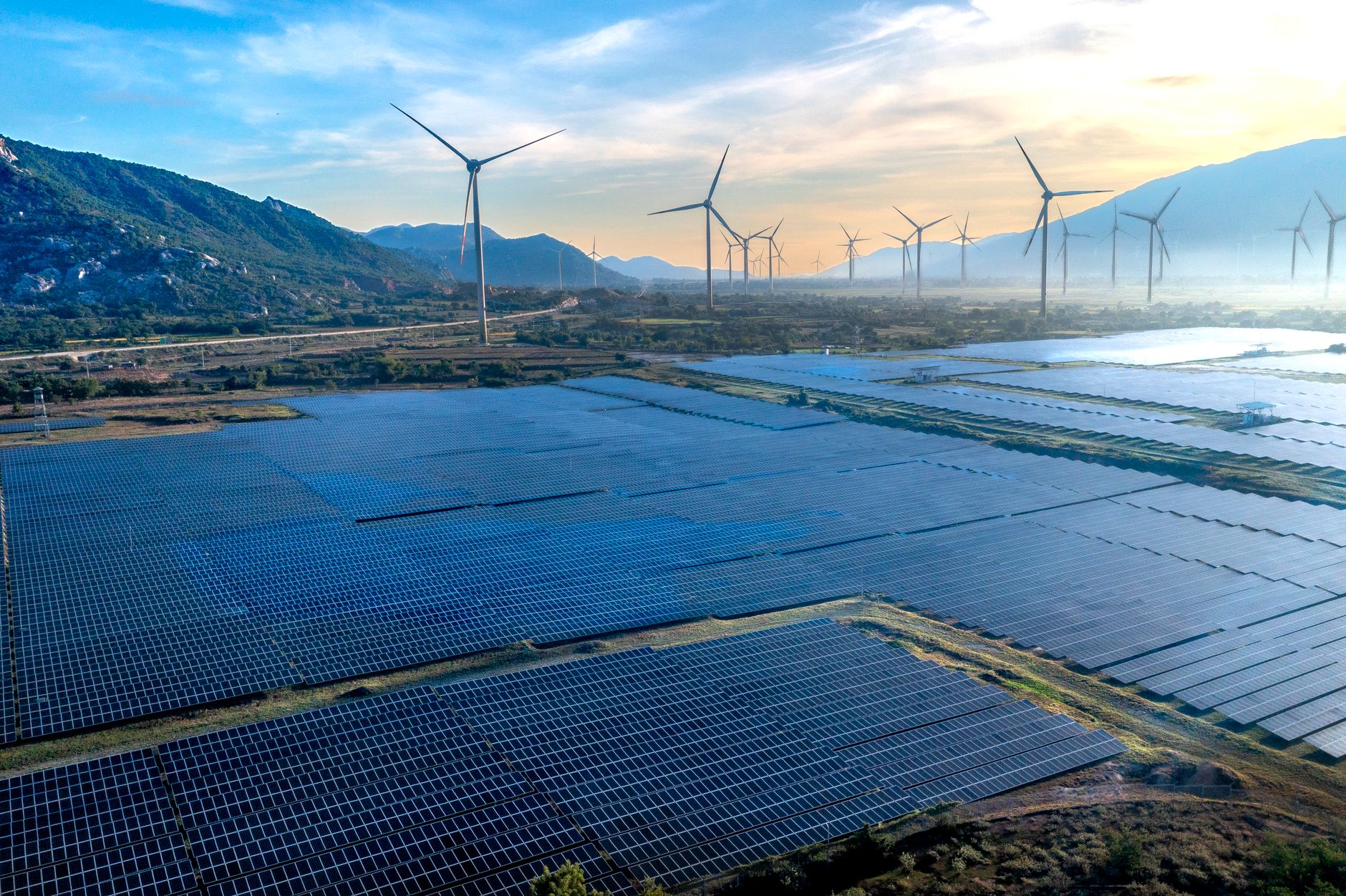
Additionally, companies can also explore alternative energy sources, such as renewable energy, to power their AI systems. This can help reduce the environmental impact of AI energy consumption and ensure that the AI industry can continue to grow and develop in a sustainable way.
It's also worth noting that, Google’s internal politics leave it playing catch-up on AI coding, which can be a significant challenge for the company to address the issue of energy constraints in AI.
What Happens Next
As the AI industry continues to grow and develop, it is essential that we find ways to address the issue of energy constraints. One potential solution is to develop more energy-efficient AI hardware and algorithms, as well as to explore alternative energy sources. Companies can also work to reduce the environmental impact of AI energy consumption, such as by using renewable energy or reducing waste.
For those interested in learning more about the issue of energy constraints in AI, the full announcement provides a comprehensive overview of the challenges and opportunities in this area.
Ultimately, the issue of energy constraints in AI is a complex and challenging one, and it will require a comprehensive and multifaceted solution. However, by working together and exploring new approaches and technologies, we can ensure that the AI industry continues to grow and develop in a sustainable way.


