
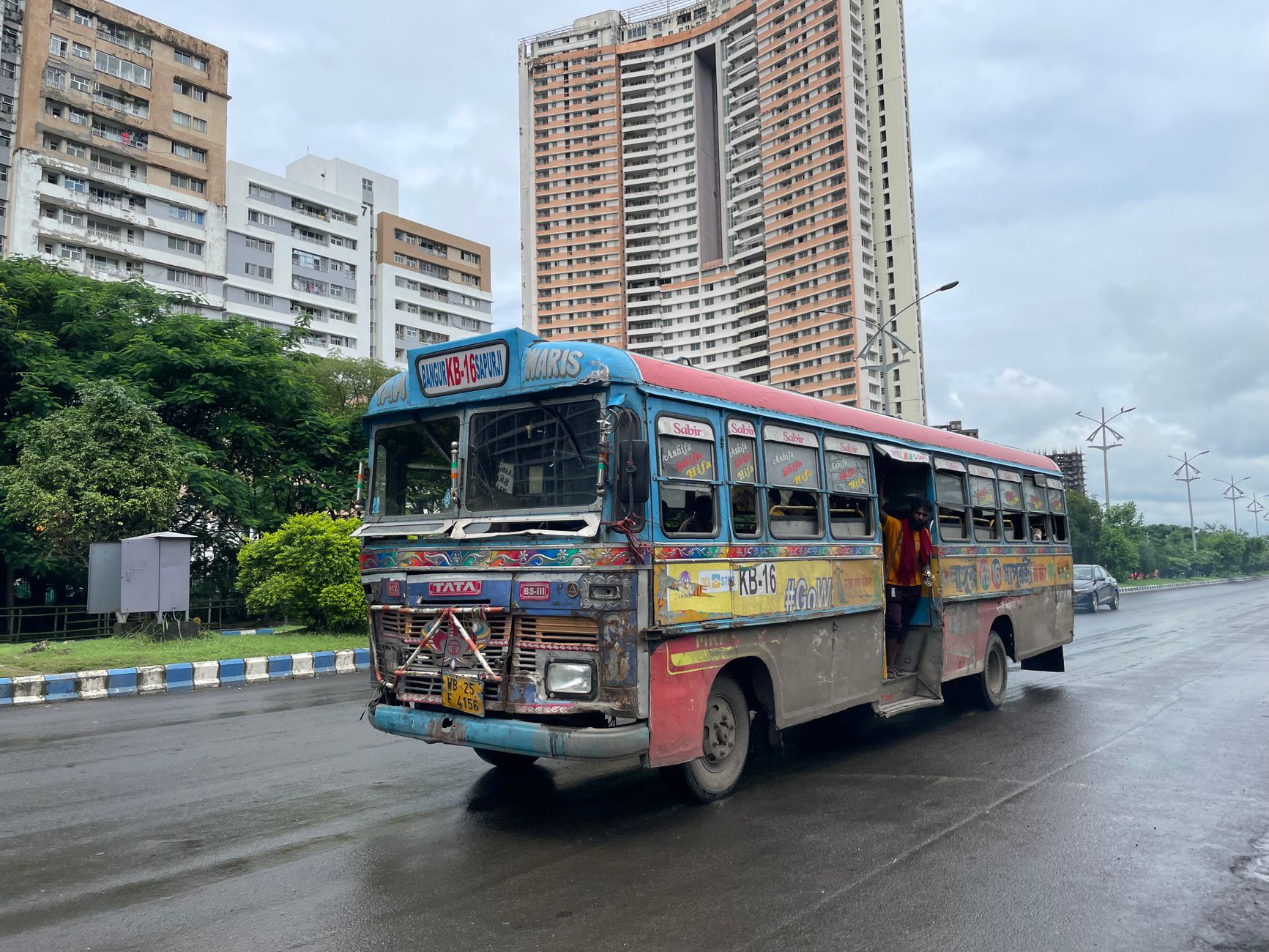
As the world transitions towards cleaner and more sustainable modes of transportation, India is set to play a significant role in the electric bus market. According to a recent report, electric bus penetration in India is expected to rise from 7% to 35-40% of annual bus sales by FY35. This significant growth is driven by the Indian government's efforts to promote the adoption of electric vehicles (EVs) and reduce the country's carbon footprint. The government has set ambitious targets to increase EV adoption, with a goal of 30% of new vehicle sales being electric by 2030.
What's Going On
Electric buses have been gaining popularity in India, with several state governments and private operators introducing them in their fleets. The Delhi Transport Corporation (DTC) has been at the forefront of this trend, with over 1,000 electric buses already operational in the city. The success of these early adopters has encouraged other states to follow suit, with several announcing plans to introduce electric buses in their cities.
One of the key factors driving this growth is the decreasing cost of EV batteries. As technology improves and economies of scale are achieved through mass production, the cost of EV batteries is decreasing, making them more competitive with traditional fossil-fuel powered vehicles. Additionally, the Indian government's incentives, such as the FAME-II scheme, have helped to reduce the upfront cost of EVs, making them more attractive to buyers.
According to a report by Social News, the Indian electric bus market is expected to grow at a compound annual growth rate (CAGR) of 25% from 2023 to 2030. This growth is expected to be driven by increasing demand for sustainable transportation solutions, government incentives, and declining battery costs.
Why This Matters
The growth of the electric bus market in India is not just a domestic issue, but has significant implications for the global industry. As India's electric bus market grows, it is likely to drive demand for EV batteries and other components, creating new opportunities for manufacturers and suppliers. According to an industry analyst, the growing demand for EVs in India is expected to lead to increased investments in the domestic EV ecosystem, including battery production, charging infrastructure, and recycling facilities.
Industry analysts note that the growth of the electric bus market in India will also have a positive impact on the environment. With electric buses producing zero tailpipe emissions, they will help to reduce air pollution in cities, improving the health and quality of life for millions of Indians. Additionally, the growing adoption of EVs is expected to lead to a reduction in greenhouse gas emissions, contributing to India's efforts to meet its climate change commitments under the Paris Agreement.
As the Indian electric bus market grows, it is likely to have a ripple effect on the global industry, with manufacturers and suppliers adjusting their production and investment strategies to meet the changing demand. According to a report by Finanznachrichten, the growing demand for EVs in India is expected to lead to increased investments in battery production, with several manufacturers announcing plans to set up new facilities in the country.
What It Means for the Industry
The growth of the electric bus market in India is a significant development for the industry, with far-reaching implications for manufacturers, suppliers, and consumers. As the demand for EVs grows, it is likely to lead to increased competition, with new players entering the market and existing ones adjusting their strategies to remain competitive. According to an industry expert, the growing demand for EVs in India is expected to lead to a shift towards more sustainable and environmentally friendly products, with manufacturers focusing on reducing their carbon footprint and improving their sustainability credentials.
The growth of the electric bus market in India is also expected to have a positive impact on the country's economy. As the demand for EVs grows, it is likely to lead to increased investments in the domestic EV ecosystem, including battery production, charging infrastructure, and recycling facilities. According to a report by Financial Content, the growing demand for EVs in India is expected to lead to the creation of new job opportunities, both in the manufacturing and service sectors.
The growth of the electric bus market in India is also expected to have a positive impact on the country's transportation sector. As the demand for EVs grows, it is likely to lead to improved air quality and reduced greenhouse gas emissions, contributing to a healthier and more sustainable environment. According to a report by InsideEVs, the growing adoption of EVs in India is expected to lead to a reduction in transportation-related emissions, contributing to the country's efforts to meet its climate change commitments.
What Happens Next
As the electric bus market in India continues to grow, it is likely to have a significant impact on the global industry. Manufacturers and suppliers will need to adjust their production and investment strategies to meet the changing demand, with a focus on sustainability, environmental friendliness, and reduced carbon footprint. According to the full announcement by Battery X Metals, the company will continue to invest in research and development to improve the efficiency and sustainability of its EV battery products.
The growing demand for EVs in India is also expected to lead to new opportunities for manufacturers and suppliers, with increased investments in the domestic EV ecosystem, including battery production, charging infrastructure, and recycling facilities. According to an industry expert, the growing demand for EVs in India is expected to lead to a shift towards more sustainable and environmentally friendly products, with manufacturers focusing on reducing their carbon footprint and improving their sustainability credentials.
As the electric bus market in India continues to grow, it is likely to have a significant impact on the country's economy, with new job opportunities created in the manufacturing and service sectors. According to a report by Social News, the Indian electric bus market is expected to grow at a compound annual growth rate (CAGR) of 25% from 2023 to 2030, driven by increasing demand for sustainable transportation solutions, government incentives, and declining battery costs.


