
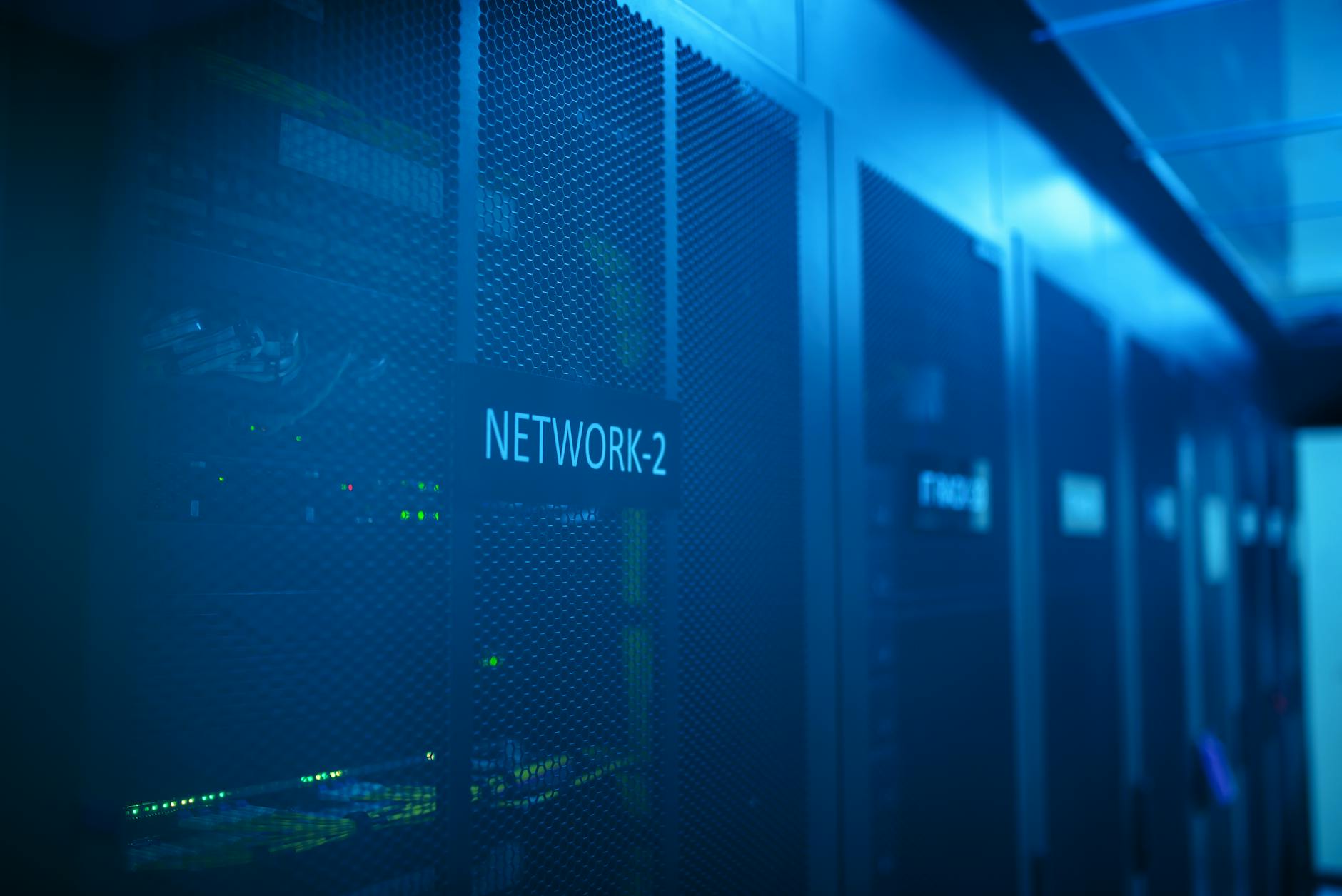
Picture a desert nation, a cradle of civilization, now poised to become a hub of cutting‑edge technology. Over the next decade, Egypt plans to pour a staggering $12 billion into artificial intelligence, data centers, and a sweeping overhaul of its digital infrastructure. This isn’t just a financial headline; it’s a bold statement that Cairo and Alexandria are ready to compete with Silicon Valley, London, and Bengaluru for the next wave of global tech talent and investment. The move promises to unlock new industries, create jobs, and position Egypt as a strategic partner for multinational companies seeking reliable, high‑performance computing in North Africa.
What's Going On
According to Egypt drives $12B tech push with AI, data centers, and infrastructure overhaul, the Egyptian government has outlined a comprehensive plan to build state‑of‑the‑art data centers, deploy AI across public services, and upgrade the national fiber network. The initiative, dubbed “Digital Egypt 2030,” will create hundreds of thousands of tech jobs and attract foreign direct investment from leading cloud providers, AI firms, and telecom giants.
The blueprint goes beyond mere construction; it includes a national AI research hub, a partnership with universities to train a new generation of data scientists, and incentives for startups to develop AI‑driven solutions for healthcare, agriculture, and smart cities. The project is funded through a mix of sovereign wealth, public‑private partnerships, and international loans, signaling confidence from global financiers in Egypt’s long‑term tech strategy.
Meanwhile, the Ministry of Communications and Information Technology has announced a $1 billion investment in high‑speed fiber optic cables that will connect remote villages to the national grid, ensuring that the benefits of digitalization reach the entire population. This infrastructure overhaul is expected to reduce latency, lower bandwidth costs, and enable real‑time data processing for critical services such as emergency response and e‑government platforms.
Why This Matters
Industry analysts note that Egypt’s push is a game‑changer for the Middle East and North Africa (MENA) region. As D‑Robotics Raises $400M for Humanoid Chips as US Bans Chinese Robot Imports shows the growing importance of AI hardware, Egypt’s investment in data centers and AI infrastructure positions it to become a manufacturing and deployment hub for AI chips and robotics across the continent.
The bigger picture is clear: digital infrastructure is the new backbone of economic resilience. Countries that invest in AI and high‑speed connectivity are better equipped to handle global supply chain disruptions, attract talent, and foster innovation ecosystems. Egypt’s strategy aligns with global trends where emerging economies are leapfrogging traditional IT setups to embrace cloud‑native architectures, edge computing, and AI‑powered services.
Stakeholders across the board stand to benefit. Startups gain access to affordable, high‑performance computing resources; multinational corporations find a cost‑effective base for data operations; and ordinary Egyptians receive faster internet, improved e‑government services, and new job opportunities in tech‑centric roles. The ripple effect could see the country’s GDP grow, poverty rates decline, and a new generation of engineers and data scientists emerge.
What It Means for the Industry
The tech sector is witnessing a paradigm shift as data centers become the new “gold mines” of the digital age. By building multiple Tier‑3 and Tier‑4 facilities, Egypt will attract global cloud providers such as Amazon Web Services, Microsoft Azure, and Google Cloud, who are actively seeking low‑latency, politically stable locations to expand their global footprints.
Strategic implications are profound. The presence of advanced data centers will reduce dependency on overseas data storage, ensuring compliance with regional data sovereignty laws and boosting national security. Additionally, the local AI research hub will foster collaborations with universities, creating a talent pipeline that feeds into the private sector and accelerates product development cycles.
According to Microsoft CEO Satya Nadella hails Seattle’s tech growth, deepening India ties at ‘IDEAS4INDIA’ forum, the global tech community is increasingly recognizing the strategic value of emerging markets. Egypt’s investment signals to the world that it is ready to host cutting‑edge AI research, data analytics, and cloud services, potentially reshaping global supply chains and partnership models.
What Happens Next
According to Taiwan Excellence Pavilion 2026 Showcases Smart Innovations in Manila, Philippines, the next phase will involve international tech fairs and knowledge‑exchange programs where Egyptian firms can showcase their capabilities. The government plans to launch a “Digital Egypt Accelerator” in 2025, offering grants and mentorship to AI startups, while partnering with global tech giants to pilot smart city projects in Cairo and Alexandria.
Final thoughts: Egypt’s $12 billion tech push is more than a fiscal plan—it’s a strategic vision that could transform the country’s economic trajectory. By intertwining AI, data centers, and infrastructure overhaul, Egypt is positioning itself as a pivotal player in the global tech ecosystem. The coming years will reveal whether this ambitious investment delivers on its promise of innovation, inclusion, and sustainable growth.


