
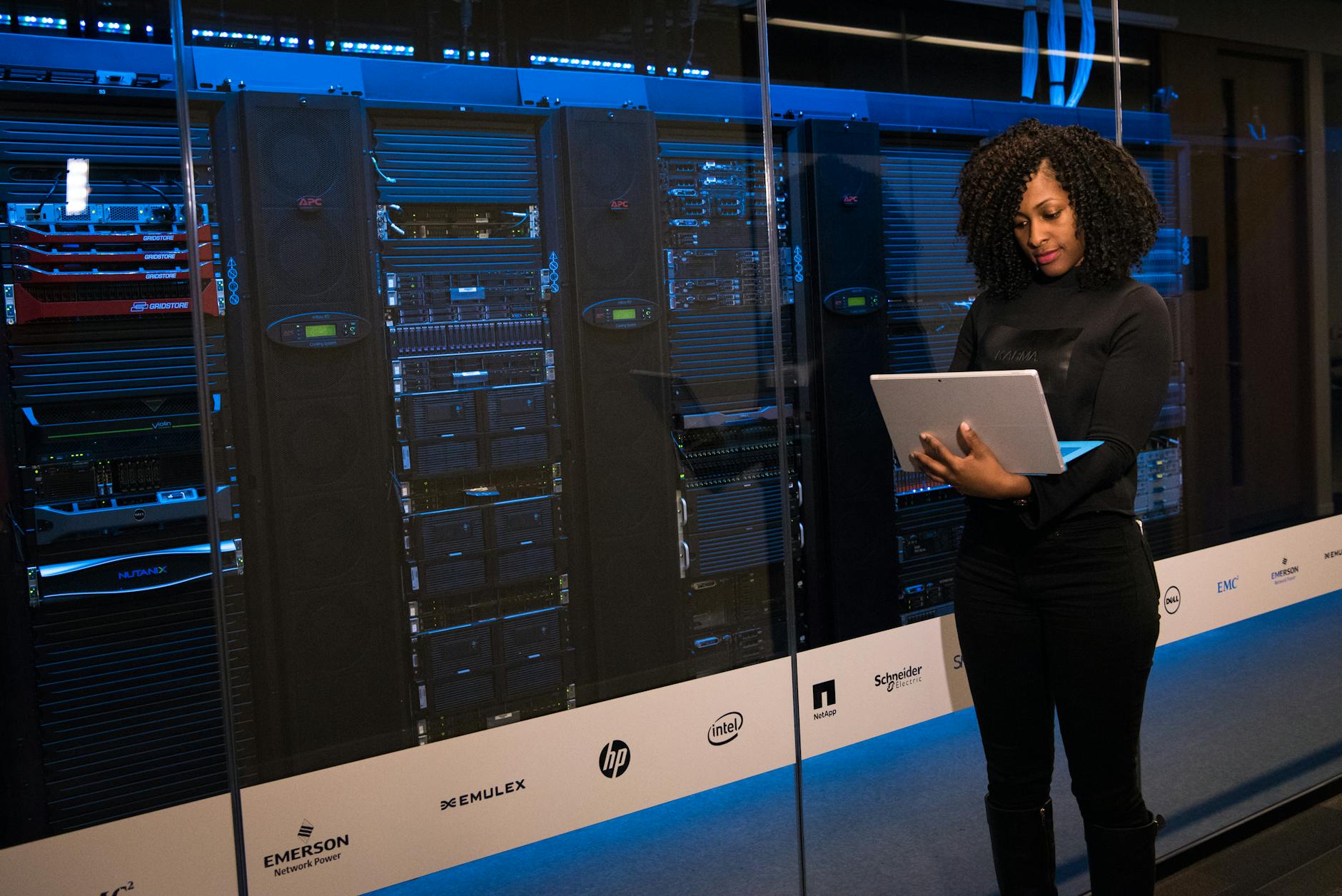
The industrial edge computing market is on the cusp of a significant transformation, driven by the increasing adoption of private 5G networks and the need for real-time industrial operations. As industries such as manufacturing, oil and gas, and healthcare continue to evolve, the demand for edge computing solutions that can provide fast, secure, and reliable data processing is on the rise. According to a recent report, the industrial edge computing market is projected to reach $114.87 billion by 2031, growing at a significant compound annual growth rate (CAGR) over the forecast period.
What's Going On
The growth of the industrial edge computing market is being driven by the increasing need for real-time data processing and analysis in industrial settings. As industries become more automated and connected, the amount of data being generated is increasing exponentially, and traditional cloud-based computing solutions are no longer sufficient to handle this data in real-time. This is where edge computing comes in, providing a solution that can process data closer to the source, reducing latency and improving overall system efficiency. For more information on this trend, you can read more here about the industrial edge computing market and its growth prospects.
The adoption of private 5G networks is also playing a key role in driving the growth of the industrial edge computing market. Private 5G networks provide a secure, reliable, and low-latency connectivity solution that is essential for industrial edge computing applications. With private 5G, industries can create their own dedicated networks, allowing them to control and manage their data in a more secure and efficient manner.
The benefits of industrial edge computing are numerous, ranging from improved system efficiency and reduced latency to enhanced security and increased scalability. By processing data closer to the source, industries can reduce the amount of data that needs to be transmitted to the cloud, resulting in lower bandwidth costs and improved overall system performance.
Why This Matters
The growth of the industrial edge computing market has significant implications for industries such as manufacturing, oil and gas, and healthcare. As these industries continue to evolve and become more automated and connected, the demand for edge computing solutions that can provide fast, secure, and reliable data processing will only continue to grow. Industry analysts note that the adoption of edge computing solutions will be driven by the need for improved system efficiency, reduced latency, and enhanced security.
The impact of the industrial edge computing market will be felt across various industries, from manufacturing and oil and gas to healthcare and transportation. As industries become more connected and automated, the need for edge computing solutions that can provide real-time data processing and analysis will become increasingly important. The growth of the industrial edge computing market will also create new opportunities for companies that provide edge computing solutions, as well as for industries that adopt these solutions.
The benefits of industrial edge computing are not limited to improved system efficiency and reduced latency. Edge computing solutions can also provide enhanced security, improved scalability, and increased reliability, making them an attractive option for industries that require high levels of data processing and analysis.
What It Means for the Industry
The growth of the industrial edge computing market will have significant implications for the industry as a whole. As industries become more automated and connected, the demand for edge computing solutions will continue to grow, driving innovation and investment in the sector. The adoption of private 5G networks will also play a key role in driving the growth of the industrial edge computing market, providing a secure, reliable, and low-latency connectivity solution that is essential for industrial edge computing applications.
The impact of the industrial edge computing market will be felt across various industries, from manufacturing and oil and gas to healthcare and transportation. As industries become more connected and automated, the need for edge computing solutions that can provide real-time data processing and analysis will become increasingly important. The growth of the industrial edge computing market will also create new opportunities for companies that provide edge computing solutions, as well as for industries that adopt these solutions.
The benefits of industrial edge computing are numerous, ranging from improved system efficiency and reduced latency to enhanced security and increased scalability. By processing data closer to the source, industries can reduce the amount of data that needs to be transmitted to the cloud, resulting in lower bandwidth costs and improved overall system performance. For more information on the benefits of industrial edge computing, you can visit AI influence being felt across print world to learn more about the latest trends and developments in the industry.
What Happens Next
As the industrial edge computing market continues to grow, we can expect to see increased investment and innovation in the sector. The adoption of private 5G networks will play a key role in driving the growth of the industrial edge computing market, providing a secure, reliable, and low-latency connectivity solution that is essential for industrial edge computing applications. For more information on the latest developments in the industrial edge computing market, you can check out the full announcement to learn more about the future of the industry.
The growth of the industrial edge computing market will have significant implications for industries such as manufacturing, oil and gas, and healthcare. As these industries continue to evolve and become more automated and connected, the demand for edge computing solutions that can provide fast, secure, and reliable data processing will only continue to grow. The benefits of industrial edge computing are numerous, ranging from improved system efficiency and reduced latency to enhanced security and increased scalability.
In conclusion, the industrial edge computing market is on the cusp of a significant transformation, driven by the increasing adoption of private 5G networks and the need for real-time industrial operations. As industries become more automated and connected, the demand for edge computing solutions that can provide fast, secure, and reliable data processing will only continue to grow, driving innovation and investment in the sector. With its numerous benefits and significant growth prospects, the industrial edge computing market is an exciting and rapidly evolving sector that is worth watching in the coming years.


