
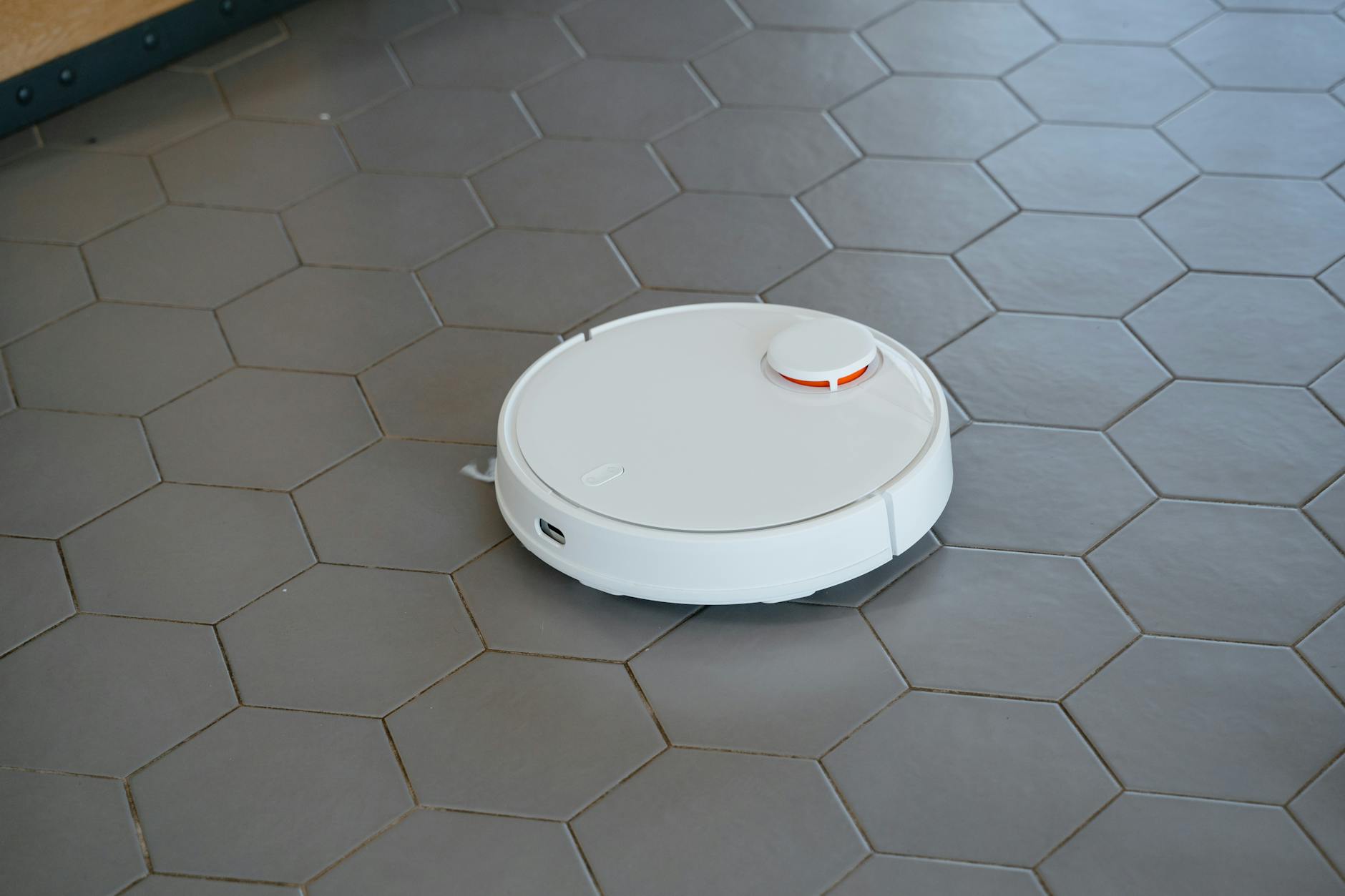
Dubai’s skyline has long been a testament to ambition, but the city’s latest leap into the future goes beyond glass towers and gold‑tipped spires. Imagine walking into an office, hotel, or shopping mall and finding robots humming along the corridors, delivering packages, cleaning floors, and even greeting guests. This isn’t a speculative sci‑fi scene; it’s a reality that the Emirate is actively building. The project, announced by Dubai’s municipal authorities, aims to embed autonomous units on every floor of public and private buildings, turning the metropolis into a living, breathing ecosystem of machines that work in tandem with humans. The vision is bold: to reduce labor costs, boost safety, and elevate the quality of services in a city that never sleeps.
What's Going On
The initiative, detailed in a recent Dubai project to deploy robots across every floor, is a multi‑layered strategy that combines robotics, artificial intelligence, and advanced sensor networks. Over the next five years, the city plans to roll out more than 10,000 autonomous units across residential towers, corporate campuses, and retail complexes. Each robot will be equipped with LIDAR, computer vision, and voice recognition, allowing them to navigate crowded spaces, recognize human commands, and adapt to dynamic environments.
At the core of the deployment is a central command hub that will monitor all units in real time. The system will use predictive analytics to anticipate maintenance needs, schedule cleaning cycles, and coordinate deliveries during peak hours. The integration of edge computing ensures that robots can process data locally, reducing latency and improving safety in high‑traffic zones.
Dubai’s leadership views the project as a catalyst for its broader Smart City ambitions. By standardizing robot deployment, the city hopes to create a seamless experience for residents and visitors alike, setting a benchmark for other urban centers worldwide. The initiative also aligns with Dubai’s Vision 2030, which emphasizes sustainability, innovation, and high‑quality living.
Why This Matters
Industry analysts note that the rapid adoption of autonomous systems in urban settings could reshape labor markets and service delivery models. A recent ProLogium Begins Mass Production of High-Energy-Density All-Solid-State Battery highlights the importance of energy density in powering such fleets, and Dubai’s project will likely push the demand for next‑generation batteries, spurring innovation in power storage.
Beyond the economic impact, the project speaks to a larger narrative about the coexistence of humans and machines. In a city where service excellence is a hallmark, robots can take over repetitive tasks, allowing human staff to focus on creative problem‑solving and personalized customer interactions. This shift could lead to higher job satisfaction and the creation of new roles in robot maintenance, data analysis, and AI ethics oversight.
Dubai’s move also has geopolitical implications. By positioning itself as a leader in robotics, the city can attract investment from tech giants, startups, and research institutions. The ripple effect could see other GCC states and global metropolises follow suit, accelerating the global adoption of autonomous systems in public infrastructure.
What It Means for the Industry
The robotics industry stands at a pivotal juncture. With the introduction of a large‑scale, city‑wide deployment, manufacturers will need to rethink supply chains, production scalability, and regulatory compliance. The demand for modular, interoperable robots that can be easily upgraded will grow, encouraging a shift towards open‑source platforms and standardized communication protocols.
Implications for the hospitality and retail sectors are profound. Hotels and shopping centers can reduce operational costs by deploying robots for housekeeping, concierge services, and inventory management. Meanwhile, the data collected by these units will provide valuable insights into foot traffic patterns, enabling smarter space utilization and targeted marketing.
Strategic partnerships will become essential. Companies that can provide integrated solutions—combining robotics, AI, battery technology, and data analytics—will be best positioned to win contracts with municipal authorities and large property developers. The project also underscores the importance of cybersecurity, as the interconnected nature of these systems presents new attack vectors that must be safeguarded.
What Happens Next
Looking ahead, the city will release a comprehensive rollout plan that includes pilot projects in three key districts: Downtown Dubai, Dubai Marina, and Al Quoz. These pilots will test the robots’ performance in varied environments, from high‑density office parks to bustling tourist hubs. The full announcement, available through official channels, outlines a phased approach that will involve continuous stakeholder engagement, public education campaigns, and rigorous safety testing.
In addition to the physical deployment, Dubai is investing in workforce development. Partnerships with local universities and vocational schools will create training programs focused on robotics maintenance, AI programming, and data science. This dual approach—technology rollout coupled with human capital development—ensures that the city’s residents are equipped to thrive in the new automated landscape.
Businesses are using AI for the calls customers want humans to handle, as highlighted in recent industry reports. This shift towards hybrid service models, where robots handle routine inquiries and humans address complex issues, is already gaining traction in sectors ranging from banking to healthcare. Dubai’s initiative will serve as a real‑world laboratory for refining this balance, offering insights that could inform best practices worldwide.
Ultimately, Dubai’s robot revolution is more than a technological upgrade; it’s a bold statement about the future of urban living. By weaving autonomous systems into the very fabric of its buildings, the city is setting a new standard for efficiency, safety, and quality of life. As the project progresses, the world will watch closely, ready to learn, adapt, and perhaps follow in the footsteps of this pioneering metropolis.


