
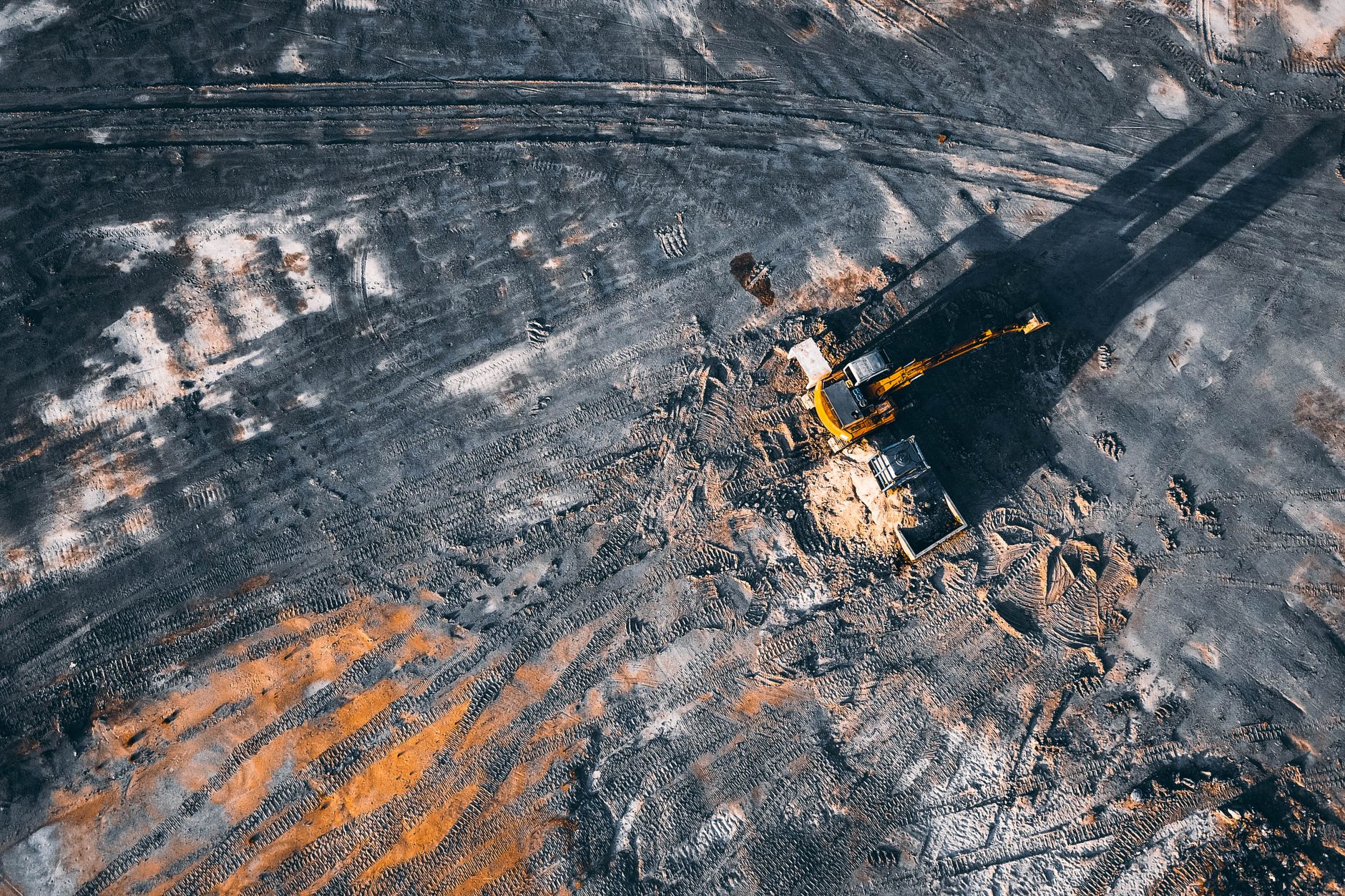
The world of industrial markets is witnessing a significant transformation, and at the forefront of this change is the increasing adoption of drones. According to a recent report, drones-led disruption accelerates as commercial adoption surges across industrial markets. As drones become more prevalent, businesses are leveraging their capabilities to enhance efficiency, productivity, and innovation.
What's Going On
The increasing use of drones in industrial markets is not a new phenomenon, but its impact has been significant, particularly in sectors such as construction, agriculture, and logistics. For instance, in the construction industry, drones are being used for site surveying, monitoring, and quality control, enabling contractors to make data-driven decisions and optimize their workflows. Similarly, in agriculture, drones are being employed for crop monitoring, precision farming, and yield prediction, helping farmers to improve crop yields and reduce waste.
This trend is driven by the increasing availability of cost-effective, high-quality drones with advanced sensors, cameras, and software. Moreover, the development of drone-as-a-service (DaaS) models has made it easier for businesses to adopt drones without significant upfront investments. According to industry analysts, the global drone market is expected to reach $20 billion by 2025, driven by the growing demand for drones in various industries.
However, the increasing adoption of drones also raises concerns about safety, security, and regulatory frameworks. As drones become more prevalent, governments and regulatory bodies must establish clear guidelines and standards to ensure safe and secure operation. Additionally, businesses must invest in robust cybersecurity measures to protect their drone operations from potential threats.
Why This Matters
The increasing adoption of drones in industrial markets has significant implications for various industries, including construction, agriculture, logistics, and manufacturing. By leveraging drones, businesses can improve efficiency, productivity, and innovation, leading to cost savings, increased competitiveness, and enhanced customer satisfaction. According to a recent collaboration between Red Hat and Panasonic Connect, the use of drones can enhance durability and security capabilities at the edge, enabling businesses to make data-driven decisions and drive innovation.
The benefits of drone adoption are not limited to businesses; they also have a significant impact on the environment. By reducing the need for manual inspections and data collection, drones can minimize the carbon footprint of industrial operations, contributing to a more sustainable future. Moreover, drones can be used for monitoring and tracking environmental factors such as deforestation, pollution, and climate change, enabling businesses and governments to make informed decisions and drive positive change.
As drones become more prevalent, it is essential for businesses to invest in training and development programs to ensure that their employees are equipped with the necessary skills to operate and maintain drones safely and effectively. Additionally, businesses must develop robust strategies for integrating drones into their operations, including the development of new business models, processes, and technologies.
What It Means for the Industry
The increasing adoption of drones in industrial markets is driving innovation and transformation across various sectors. By leveraging drones, businesses can improve efficiency, productivity, and innovation, leading to cost savings, increased competitiveness, and enhanced customer satisfaction. According to a recent report on essential tech gadgets powering smarter, more productive work-from-home lifestyles, drones are becoming an essential tool for remote work and collaboration, enabling teams to work more effectively and efficiently.
The implications of drone adoption are not limited to businesses; they also have a significant impact on the environment. By reducing the need for manual inspections and data collection, drones can minimize the carbon footprint of industrial operations, contributing to a more sustainable future. Moreover, drones can be used for monitoring and tracking environmental factors such as deforestation, pollution, and climate change, enabling businesses and governments to make informed decisions and drive positive change.
As drones become more prevalent, it is essential for businesses to invest in research and development programs to explore new applications and use cases for drones. Additionally, businesses must develop robust strategies for integrating drones into their operations, including the development of new business models, processes, and technologies. By doing so, businesses can stay ahead of the curve and capitalize on the opportunities presented by drone adoption.
What Happens Next
The increasing adoption of drones in industrial markets is expected to continue, driven by the growing demand for drones in various industries. As drones become more prevalent, it is essential for businesses to invest in robust cybersecurity measures to protect their drone operations from potential threats. Additionally, businesses must invest in training and development programs to ensure that their employees are equipped with the necessary skills to operate and maintain drones safely and effectively. According to the full announcement, the global drone market is expected to reach $20 billion by 2025, driven by the growing demand for drones in various industries.
As drones continue to transform industrial markets, businesses must stay ahead of the curve and capitalize on the opportunities presented by drone adoption. By investing in research and development programs, developing robust strategies for integrating drones into their operations, and investing in training and development programs, businesses can drive innovation, improve efficiency, and enhance competitiveness. The future of industrial markets is looking bright, and drones are at the forefront of this transformation.
As we look to the future, it is essential for businesses to prioritize sustainability and environmental responsibility. By leveraging drones to monitor and track environmental factors such as deforestation, pollution, and climate change, businesses can make informed decisions and drive positive change. Additionally, businesses must invest in robust cybersecurity measures to protect their drone operations from potential threats. By doing so, businesses can ensure a safe, secure, and sustainable future for themselves and their stakeholders.


