
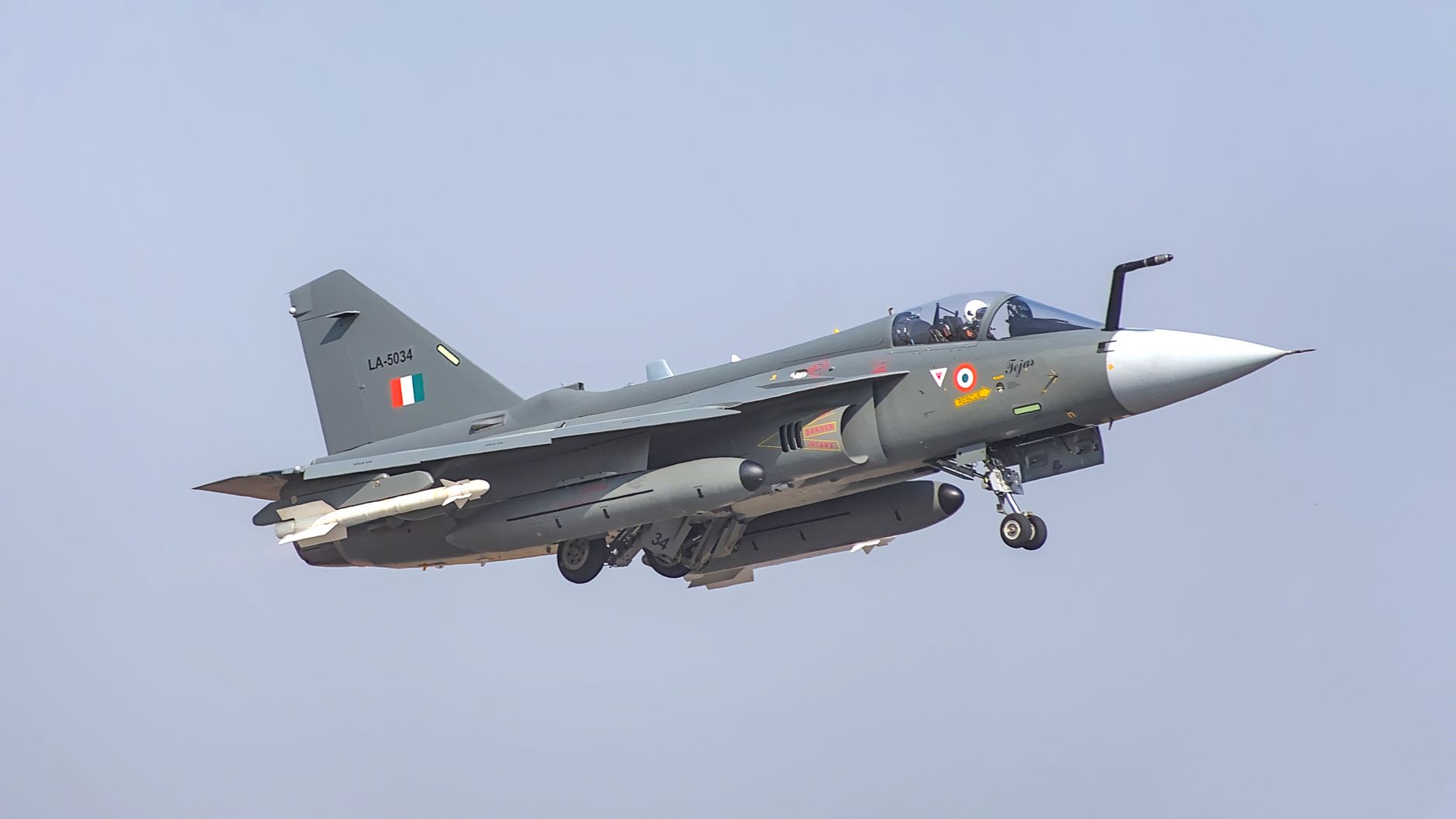
When the desert sun set over the dunes of Jaisalmer, the air was thick with anticipation and the hum of rotors. The Indian Air Force (IAF) had pulled out all the stops for its annual Dronathon 2026, turning the historic fort into a sprawling launchpad for a new generation of indigenous unmanned aerial vehicles (UAVs). It wasn’t just a display of drones; it was a statement of self-reliance, technological prowess, and strategic foresight.
What's Going On
Rediff reports that the event showcased a wide array of drones ranging from surveillance platforms to combat‑ready systems, all developed by Indian firms. The lineup included the newly upgraded Kites, a multi‑role UAV that can switch between reconnaissance and strike missions, and the “Jaisalmer‑1,” a logistics drone capable of carrying cargo across the harsh desert terrain.
Beyond the hardware, the IAF demonstrated advanced autonomous navigation, real‑time data linkages, and AI‑driven threat detection—all integrated into a single ecosystem. Pilots and ground crews were seen orchestrating complex missions, from simulated anti‑aircraft engagements to precision delivery of medical supplies to remote outposts.
The event also highlighted collaborative efforts between defense research labs and private industry. The Defense Research and Development Organization (DRDO) and the Indian Institute of Technology (IIT) Kharagpur worked hand‑in‑hand with companies like Hindustan Aeronautics Limited (HAL) and Bharat Electronics Limited (BEL) to prototype and test these UAVs. The result? A robust supply chain that could support rapid scale‑up if needed.
Why This Matters
CBS News notes that the IAF’s push for indigenous drone capabilities comes at a time when global defense budgets are tightening and supply chain vulnerabilities are exposed. By reducing dependence on foreign imports, India can maintain strategic autonomy and keep costs in check.
But the implications go beyond national security. The domestic drone industry stands to gain from increased demand, fostering innovation and creating jobs in engineering, software development, and manufacturing. It also positions India as a key player in the growing global UAV market, which is projected to reach $42 billion by 2030.
For regional partners, the event signals a shift in the balance of power. Neighboring countries watching from the sidelines will have to reassess their own air defense strategies, as the IAF’s new drones can provide persistent surveillance over vast areas, including the contested borders.
What It Means for the Industry
From a technological standpoint, the Dronathon 2026 showcased several breakthroughs. The integration of machine learning algorithms for target recognition allows drones to autonomously identify and engage threats without human intervention. Moreover, the use of lightweight composite materials has extended flight endurance from 6 to 12 hours for some platforms.
Strategically, the IAF’s focus on multi‑role UAVs means that a single platform can perform tasks that previously required multiple dedicated aircraft. This versatility translates to cost savings and logistical efficiencies, especially in a country with diverse terrain ranging from deserts to high‑altitude plateaus.
The event also highlighted the importance of secure data links. The IAF has partnered with the Indian Space Research Organisation (ISRO) to develop satellite‑based command and control channels, ensuring that drones can operate even in GPS‑denied environments.
News18 reports that the success of the Dronathon could prompt a surge in venture capital interest in Indian drone startups. With a proven track record of performance at a high‑profile military event, these companies are better positioned to secure funding and enter international markets.
What Happens Next
Future Travel Experience reports that the full announcement will include a phased rollout plan, with the IAF aiming to integrate the new drones into active service by the end of 2027. This will involve extensive training programs for pilots and maintenance crews, as well as the establishment of dedicated drone squadrons.
In the coming months, we can expect to see further collaborations between the IAF and private firms, especially in the areas of AI and cybersecurity. The government’s “Make in India” initiative will likely provide subsidies and tax incentives to accelerate production.
As the IAF continues to modernize its fleet, the ripple effects will touch everything from defense procurement policies to the broader technology ecosystem. The event in Jaisalmer is not just a milestone; it’s a launchpad for a new era of autonomous defense capabilities in India.


