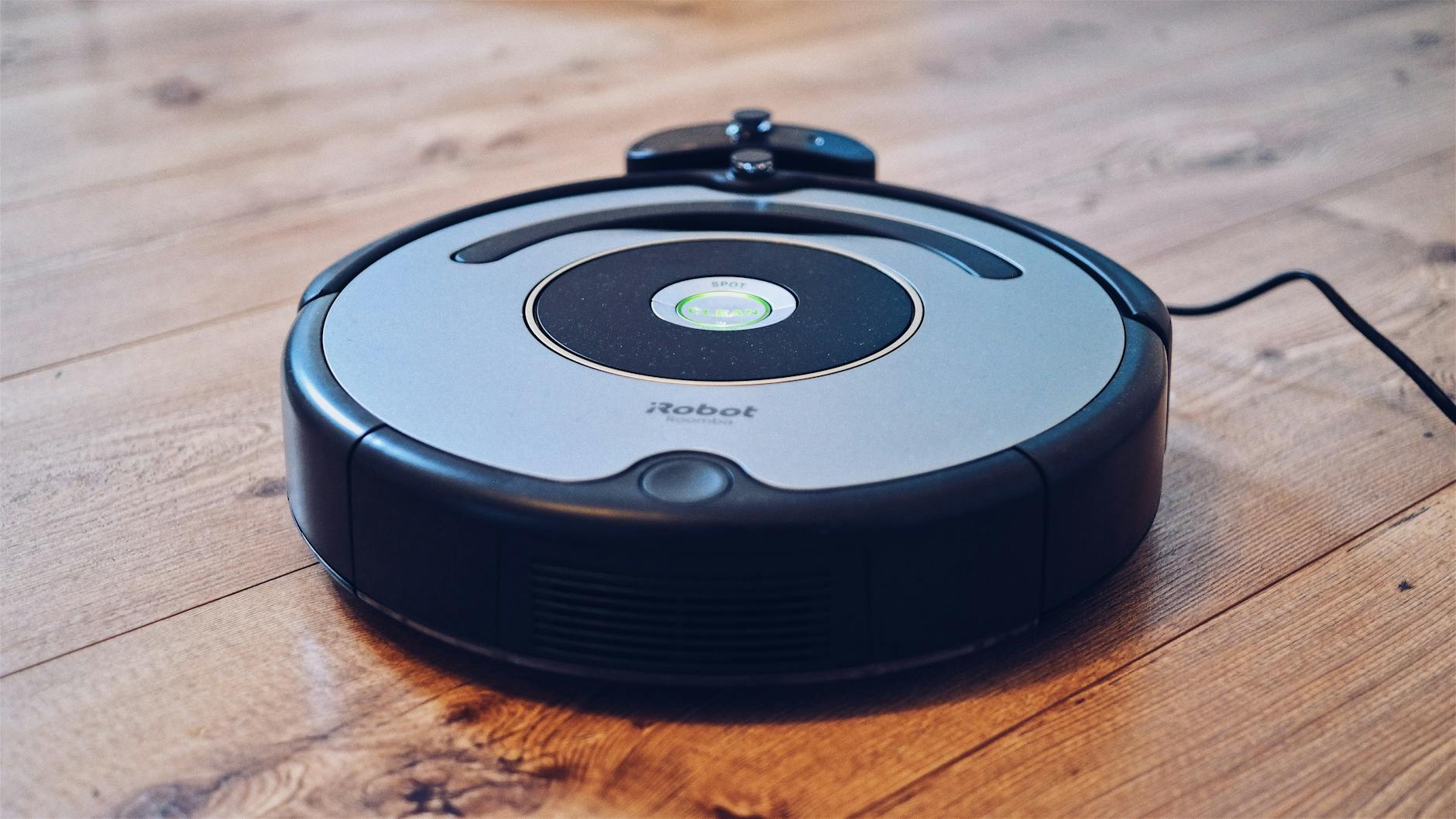
Imagine a sleek, silent partner that glides across your living room, deftly navigating around furniture, vacuuming every corner, and then quietly shutting down—all while keeping your personal data firmly out of the hands of anyone but you. That partner is DJI’s latest innovation, the ROMO 2, a robot vacuum that marries cutting‑edge cleaning performance with a strong, user‑centric focus on data privacy.
What's Going On
According to iTechPost reports, DJI has just unveiled the ROMO 2, positioning it as a formidable competitor in the increasingly crowded robot‑vacuum market. The device boasts a 200‑W motor, a 500‑mm dustbin, and a smart navigation system that maps out homes in real time. What sets it apart, however, is its rigorous commitment to data privacy: all local data remains on the device, and any cloud interaction is opt‑in and end‑to‑end encrypted.
The ROMO 2’s design reflects DJI’s heritage in drone technology. It features a lightweight frame, a low‑profile chassis that can slip under most furniture, and a high‑resolution LiDAR sensor that maps rooms with millimetric precision. The robot can detect and avoid obstacles like pet toys or cables, reducing the risk of damage and ensuring a thorough clean.
Beyond hardware, DJI has introduced a suite of software safeguards. The ROMO 2’s firmware is signed and verified, preventing unauthorized updates. Users can disable Wi‑Fi entirely, opting for local-only operation, while still enjoying scheduled cleaning via the companion app. The company also offers a transparent privacy policy, outlining exactly what data is collected and how it’s used.
Why This Matters
Industry analysts note that the rise of smart home devices has amplified concerns about data security, especially in households with children or elderly residents. The BLUETTI Unveils Pioneer 5000 E-Generator announcement earlier this year highlighted the broader trend of consumers demanding greater control over their digital footprints. In this context, the ROMO 2’s privacy‑first approach is not just a selling point—it’s a strategic necessity.
Data privacy becomes especially critical when considering the proliferation of connected devices. Every smart appliance in a home can potentially act as a data collection point. By ensuring that the ROMO 2’s internal sensors and navigation data never leave the device unless explicitly authorized, DJI addresses a key vulnerability that many competitors overlook.
For consumers, the implications are clear: a cleaner home without the trade‑off of compromised privacy. For manufacturers, it signals a shift toward building trust through transparent data practices—a trend that will likely influence product development across the industry.
What It Means for the Industry
The ROMO 2’s dual focus on performance and privacy could prompt a ripple effect throughout the robot‑vacuum sector. Companies that have traditionally prioritized speed, suction power, or app integration may now need to re‑evaluate their data handling protocols. This could lead to a new standard where privacy features are bundled as core functionalities rather than optional add‑ons.
From a competitive standpoint, DJI’s entry into the home‑cleaning market underscores the convergence of consumer electronics and robotics. The brand’s established reputation in aerial drones lends credibility to its robotics division, potentially accelerating adoption among tech‑savvy consumers who already trust DJI for photography and surveillance solutions.
Strategically, the ROMO 2 also positions DJI to leverage its existing ecosystem. The device can integrate with DJI’s AirSense safety system, providing real‑time alerts about potential hazards. Moreover, the company can cross‑sell its other smart‑home products, such as the DJI Home Camera, creating a cohesive ecosystem that emphasizes both convenience and security.
What Happens Next
In the weeks following the announcement, DJI has released a detailed product guide and a series of tutorials that walk users through setting up the ROMO 2 with or without cloud connectivity. The PhyxUp Health Launches AI-Powered Billing Solution demonstrates a similar emphasis on privacy‑first design, illustrating a growing industry trend toward user‑centric data control.
Looking ahead, DJI plans to roll out firmware updates that will add more advanced mapping algorithms and extend battery life by up to 20%. The company is also exploring partnerships with home‑automation platforms like HomeKit and Google Assistant, ensuring that the ROMO 2 can be seamlessly integrated into existing smart‑home ecosystems while still maintaining its privacy safeguards.
For consumers, the next steps involve choosing whether to enable the optional cloud features, such as remote scheduling and performance analytics. For the market, the ROMO 2’s launch will likely accelerate regulatory scrutiny of data practices in consumer robotics, encouraging stricter compliance standards and potentially leading to new certifications for privacy‑compliant devices.
In a world where data breaches can make headlines in seconds, DJI’s ROMO 2 offers a reassuring blend of clean efficiency and data integrity. Whether you’re a tech enthusiast or a privacy advocate, this robot vacuum sets a new benchmark for what smart home devices should deliver: powerful performance without compromising the security of your personal information.
As the smart‑home landscape continues to evolve, the ROMO 2 reminds us that innovation and privacy need not be mutually exclusive. With its thoughtful design and robust data protections, DJI has carved out a niche that could very well define the next generation of household robots.
PlugClaw Now Shipping Worldwide, a thumb‑sized private AI computer that keeps AI agents off your devices, exemplifies the same privacy‑centric philosophy, reinforcing the industry's shift toward user‑controlled AI solutions.