
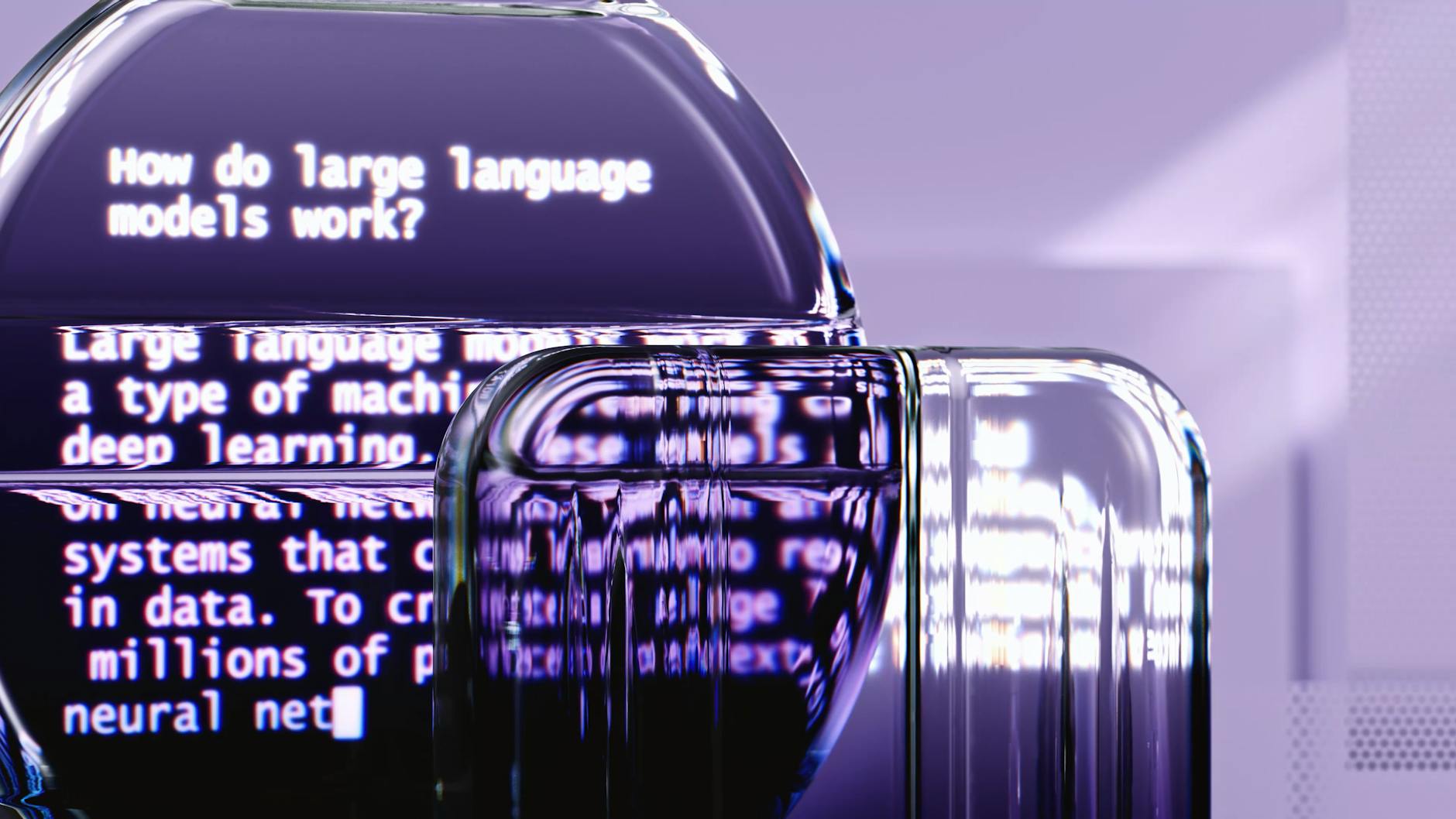
Discovering the Power of Generative AI: Real-World Examples and Innovations
Generative AI has been making headlines in recent years, with its potential to revolutionize industries and transform the way we live and work. From generating realistic images and videos to creating personalized recommendations, generative AI has been hailed as a game-changer. But what exactly is generative AI, and how is it being used in the real world? In this article, we'll delve into the latest advancements in generative AI, explore its real-world applications, and examine the transformative impact it's having on various industries.
Discovering the Power of Generative AI: Real-World Examples and Innovations
According to TechCrunch reports, generative AI is being used to create realistic images and videos that can be used in a variety of applications, from advertising and entertainment to education and healthcare. By leveraging the power of deep learning and neural networks, generative AI can generate new data that is indistinguishable from real data, opening up new possibilities for data-driven decision making.One of the most exciting applications of generative AI is in the field of data analysis. By generating new data that is similar to existing data, generative AI can help organizations identify trends and patterns that may not be immediately apparent. This can be especially useful in industries such as finance, where predicting market trends is crucial for making informed investment decisions. According to industry analysts, generative AI can help financial institutions identify potential risks and opportunities, enabling them to make more informed investment decisions.
Another area where generative AI is making a significant impact is in the field of corporate payroll services. By leveraging the power of generative AI, companies can automate tedious tasks such as payroll processing and reduce errors, freeing up employees to focus on more strategic tasks. According to Analytics Insight, generative AI can help companies streamline their payroll processes, reducing costs and improving employee satisfaction.
But generative AI is not just limited to data analysis and payroll services. It's also being used in a variety of other industries, including healthcare and education. For example, generative AI can be used to create personalized learning plans for students, taking into account their individual learning styles and abilities. By leveraging the power of generative AI, educators can create customized learning experiences that cater to the needs of every student, increasing the effectiveness of education and improving student outcomes.
In addition to its applications in various industries, generative AI is also having a significant impact on the way we think about data and information. By generating new data that is similar to existing data, generative AI can help organizations identify patterns and trends that may not be immediately apparent. This can be especially useful in industries such as finance and healthcare, where predicting market trends and identifying potential health risks is crucial for making informed decisions.
So what does the future hold for generative AI? According to 247 Wall St, the future of generative AI is looking bright. With the rapid advancements being made in the field, it's likely that we'll see even more innovative applications of generative AI in the years to come. Whether it's generating personalized recommendations or creating realistic images and videos, generative AI has the potential to transform the way we live and work, and we can't wait to see what the future holds.
Why This Matters
Generative AI is not just a technological innovation; it's also having a significant impact on various industries and our daily lives. By automating tedious tasks and identifying patterns and trends, generative AI can help organizations make more informed decisions, improve efficiency, and enhance customer experiences. According to industry analysts note, generative AI is transforming mining operations, enabling companies to optimize their processes, reduce costs, and improve safety.
The impact of generative AI goes beyond the industry of mining, however, and its effects can be seen in various sectors. By identifying potential risks and opportunities, generative AI can help companies make more informed decisions, reducing the risk of errors and improving overall performance. Whether it's in finance, healthcare, or education, the transformative impact of generative AI is undeniable, and it's an area that will continue to grow and evolve in the coming years.
What Happens Next
As generative AI continues to evolve and improve, we can expect to see even more innovative applications of the technology. According to the full announcement from Analytics Insight, generative AI is set to revolutionize the corporate payroll services industry, enabling companies to automate tedious tasks and reduce errors. By leveraging the power of generative AI, companies can free up employees to focus on more strategic tasks, improving overall performance and reducing costs.
As we look to the future, it's clear that generative AI is going to continue to play a major role in shaping various industries and our daily lives. Whether it's in data analysis, corporate payroll services, or education, the transformative impact of generative AI is undeniable, and it's an area that will continue to grow and evolve in the coming years.


