
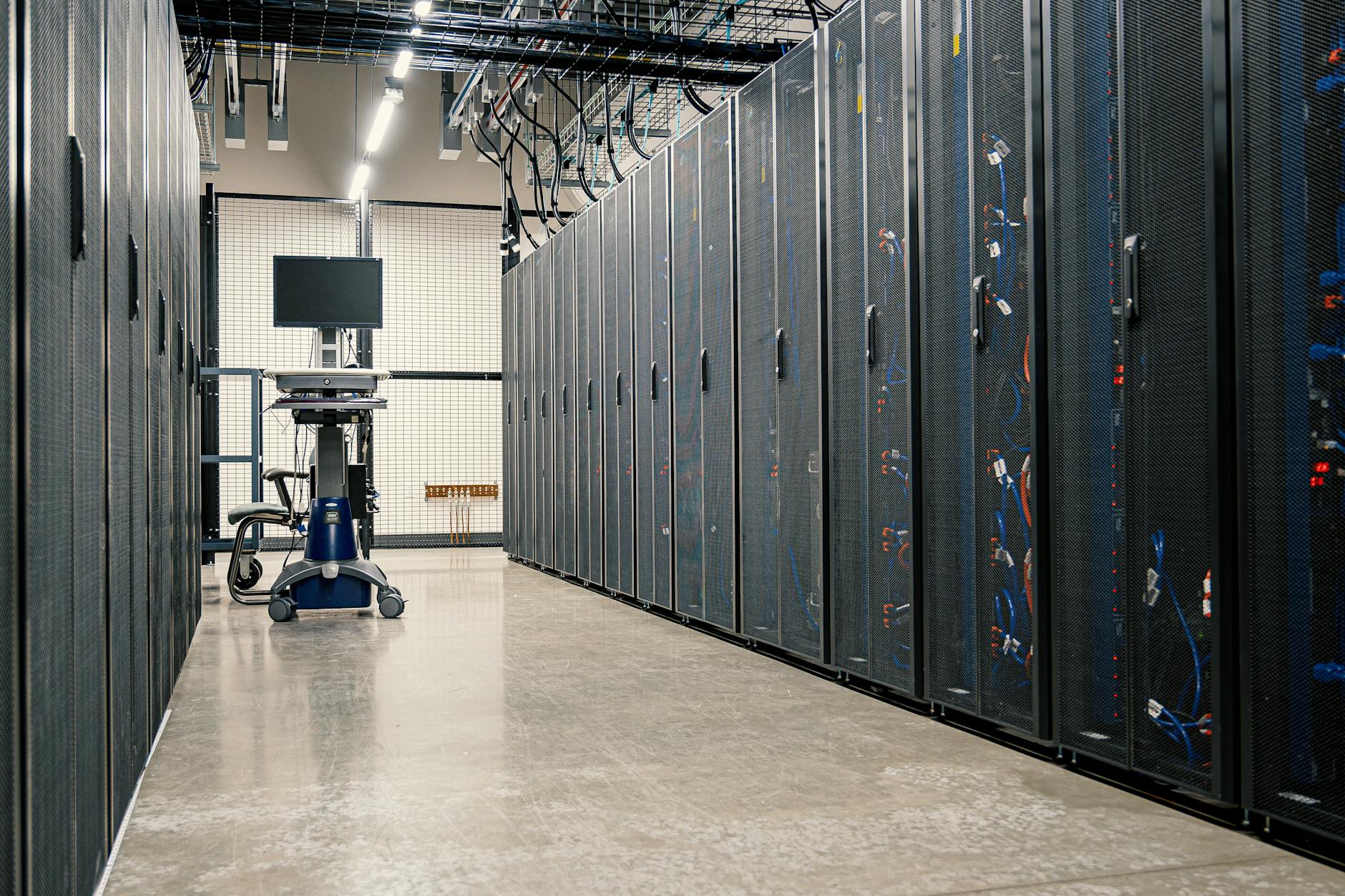
Data centers are the backbone of our digital world, providing the infrastructure necessary to store, process, and distribute vast amounts of data. From social media and online banking to cloud computing and e-commerce, data centers play a crucial role in supporting the digital services we use every day. But have you ever wondered what data centers are, how they work, and why they matter? In this article, we'll delve into the world of data centers, exploring their history, evolution, and impact on our daily lives. To read more here about the basics of data centers and their importance.
What's Going On
The concept of data centers has been around for decades, with the first data centers emerging in the 1960s. Initially, these early data centers were designed to support mainframe computers and were typically located in large, centralized facilities. Over time, the need for more efficient and scalable data storage and processing led to the development of newer, more advanced data center technologies. Today, data centers come in all shapes and sizes, from small, on-premises facilities to massive, cloud-based data centers that span entire cities.
One of the key drivers of the data center industry is the growing demand for cloud computing services. As more businesses and individuals move their applications and data to the cloud, the need for reliable, secure, and efficient data centers has never been greater. Data centers provide the necessary infrastructure to support cloud computing, including servers, storage systems, networking equipment, and power and cooling systems.
In addition to supporting cloud computing, data centers also play a critical role in supporting other digital services, such as social media, online banking, and e-commerce. These services rely on data centers to store and process vast amounts of data, including user information, transaction records, and other sensitive information. Without data centers, these services would not be possible, and our digital lives would be vastly different.
Why This Matters
The importance of data centers cannot be overstated. According to industry analysts note, the global data center market is expected to continue growing in the coming years, driven by increasing demand for cloud computing and other digital services. This growth is expected to have a significant impact on the economy, with data centers creating new job opportunities and driving innovation in fields such as artificial intelligence, machine learning, and the Internet of Things (IoT).
The impact of data centers on the environment is also a critical consideration. As data centers consume large amounts of energy to power and cool their systems, there is a growing need for more sustainable and energy-efficient data center designs. This has led to the development of new technologies, such as green data centers, which use renewable energy sources and more efficient cooling systems to reduce their environmental impact.
Furthermore, data centers also play a critical role in supporting national security and defense. By providing secure and reliable data storage and processing capabilities, data centers help to support military operations, intelligence gathering, and other critical national security functions. As the world becomes increasingly dependent on digital technologies, the importance of data centers in supporting national security will only continue to grow.
What It Means for the Industry
The growth of the data center industry is expected to have a significant impact on a wide range of industries, from technology and finance to healthcare and education. As more businesses and individuals move their applications and data to the cloud, the need for reliable, secure, and efficient data centers will continue to drive innovation and investment in the industry.
One of the key trends driving the data center industry is the increasing adoption of edge computing. Edge computing involves processing data at the edge of the network, closer to the source of the data, rather than in a centralized data center. This approach can help to reduce latency, improve performance, and enhance security, making it an attractive option for applications such as IoT, artificial intelligence, and machine learning.
Another key trend in the data center industry is the growing use of artificial intelligence and machine learning. These technologies are being used to optimize data center operations, improve energy efficiency, and enhance security. By using AI and machine learning to analyze data and make predictions, data centers can optimize their operations in real-time, reducing waste and improving performance.
What Happens Next
As the data center industry continues to evolve, we can expect to see new technologies and innovations emerge. One of the key areas of focus will be on sustainability, with data centers looking to reduce their environmental impact and become more energy-efficient. To learn more about the latest developments in the data center industry, you can check out the full announcement from industry leaders.
In addition to sustainability, another key area of focus will be on security. As data centers become increasingly critical to our digital lives, the need for robust security measures will only continue to grow. This will involve the use of advanced technologies, such as AI and machine learning, to detect and prevent cyber threats.
Finally, the growth of the data center industry will also have a significant impact on the economy, creating new job opportunities and driving innovation in fields such as technology and engineering. As the industry continues to evolve, we can expect to see new and exciting developments emerge, from the use of autonomous vehicles in data center operations to the development of new, more efficient data center designs. For more information on the latest innovations in the tech industry, you can also check out Harbinger Announces Unmanned Hybrid-Electric Vehicle Platform for military applications.


