
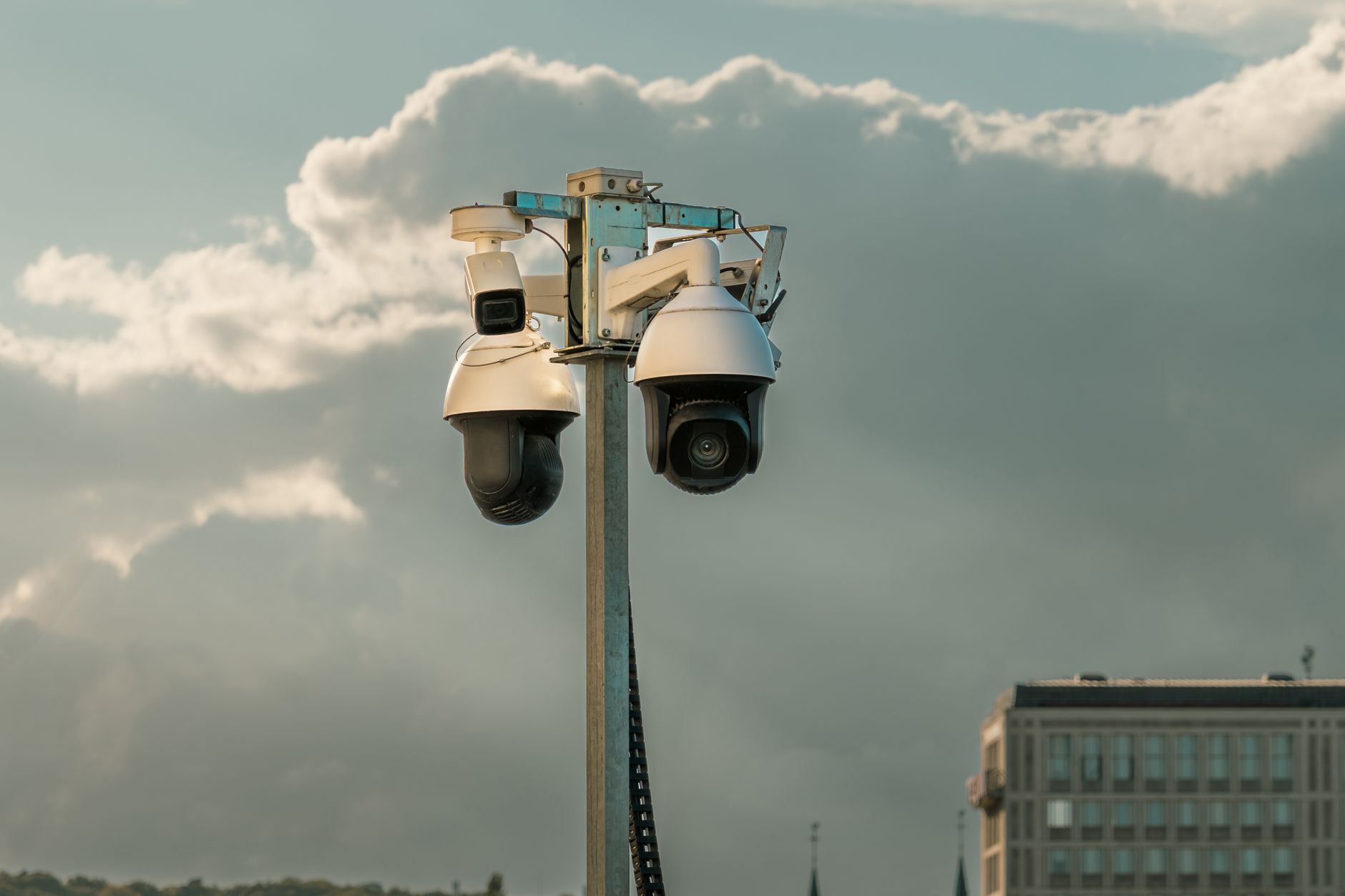
Imagine a world where the power grid flickers, water treatment plants go offline, and transportation networks grind to a halt—all because a single cyber‑attack slipped through the cracks. That scenario feels like a plot from a thriller, yet it’s a very real risk that governments and private operators are scrambling to mitigate. As the digital and physical layers of our critical systems become inseparably intertwined, the market dedicated to safeguarding them is exploding. In this deep dive, we’ll unpack why the Critical Infrastructure Protection (CIP) market is on track to surpass $224.5 billion by 2034, what forces are fueling that surge, and how stakeholders can position themselves for the next decade of resilience.
What's Going On
According to the Critical Infrastructure Protection Market report, the sector is expected to grow at a compound annual growth rate (CAGR) of 4.4% over the next ten years. This projection reflects a convergence of geopolitical tension, regulatory tightening, and the rapid digitization of traditionally analog assets. From power transmission lines embedded with IoT sensors to water treatment facilities managed through cloud‑based SCADA platforms, the attack surface has expanded dramatically, prompting a surge in demand for advanced monitoring, threat detection, and incident response solutions.
Key drivers include the rollout of 5G networks, which promise ultra‑low latency but also introduce new vectors for intrusion, and the proliferation of smart‑city initiatives that tie municipal services to interconnected platforms. In parallel, governments across North America, Europe, and Asia‑Pacific are tightening compliance frameworks—think NIST 800‑53, IEC 62443, and the EU’s NIS Directive—forcing operators to invest heavily in compliance‑oriented security tools.
Another catalyst is the rising frequency of nation‑state cyber‑espionage campaigns targeting critical infrastructure. High‑profile incidents such as the 2021 Colonial Pipeline ransomware attack and the 2022 SolarWinds breach have underscored the financial and societal fallout of inadequate protection. As a result, both public and private budgets are being reallocated toward resilient architectures, redundancy planning, and AI‑driven anomaly detection.
Why This Matters
The ripple effects of a robust CIP market extend far beyond the security niche. When analysts compare the growth trajectory of the CIP sector to other high‑tech domains, they often point to the Automotive Infotainment Market as a benchmark for how consumer‑facing technology can accelerate investment cycles. Just as infotainment systems have become a battleground for user experience, data privacy, and connectivity, critical infrastructure is now the frontline for national security and economic stability.
For utilities, transportation agencies, and industrial manufacturers, the stakes are existential. A breach can halt production lines, cause environmental disasters, or even endanger lives. Moreover, insurers are recalibrating risk models, leading to higher premiums for entities that cannot demonstrate robust protective measures. This creates a virtuous cycle: as the cost of non‑compliance rises, more capital flows into advanced firewalls, zero‑trust architectures, and real‑time threat intelligence platforms.
Stakeholders ranging from CEOs to city planners are feeling the pressure. Investors are demanding ESG‑aligned security postures, regulators are imposing stricter reporting mandates, and the talent pool for cybersecurity professionals is tightening. All these forces converge to make CIP not just a technical requirement but a strategic imperative that can dictate market valuation, shareholder confidence, and public trust.
What It Means for the Industry
For vendors and service providers, the forecast signals a shift from point‑solution sales to integrated, platform‑as‑a‑service offerings. Companies that can bundle network monitoring, edge analytics, and automated remediation into a seamless subscription model will capture the lion’s share of the $224.5 billion opportunity. Partnerships between traditional OT (operational technology) manufacturers and cloud security firms are becoming the norm, as each brings complementary expertise to the table.
From an investment perspective, the market’s steady 4.4% CAGR suggests a relatively low‑volatility, long‑term growth story—an attractive proposition for private equity and sovereign wealth funds looking to diversify into cyber‑resilience assets. M&A activity is already heating up, with larger cybersecurity conglomerates acquiring niche players that specialize in SCADA hardening, AI‑driven threat hunting, or secure communications for rail networks.
Meanwhile, the Automotive Interior Components Market offers a useful parallel: both sectors are witnessing a convergence of hardware, software, and data analytics. In CIP, this translates to sensors embedded in physical assets feeding telemetry to cloud‑based analytics engines, which then trigger automated controls or human‑in‑the‑loop decision making. Companies that invest early in this sensor‑to‑action pipeline will likely set the standards for the next generation of resilient infrastructure.
What Happens Next
Looking ahead, the next wave of growth will be shaped by three interlocking trends: the rise of AI‑augmented security operations, the standardization of zero‑trust architectures for OT environments, and the emergence of cross‑border regulatory harmonization. The Automotive Radar Sensor Market illustrates how sensor innovation can unlock new safety and performance capabilities; similarly, advanced threat‑detection sensors will become commonplace on power substations, pipelines, and transportation hubs.
In practical terms, we can expect governments to roll out incentive programs that subsidize the adoption of AI‑driven anomaly detection, while industry consortia will publish open standards for secure data exchange across legacy and next‑gen systems. Companies that stay ahead of these regulatory and technological curves—by investing in R&D, upskilling their workforce, and forging strategic alliances—will not only protect their own operations but also become trusted partners for the broader ecosystem.
Ultimately, the journey to a $224.5 billion market is less about numbers and more about building a resilient future where critical services remain uninterrupted, even in the face of sophisticated cyber threats. The stakes have never been higher, and the opportunities have never been clearer. For anyone involved in the design, operation, or financing of essential infrastructure, the time to act is now.


