
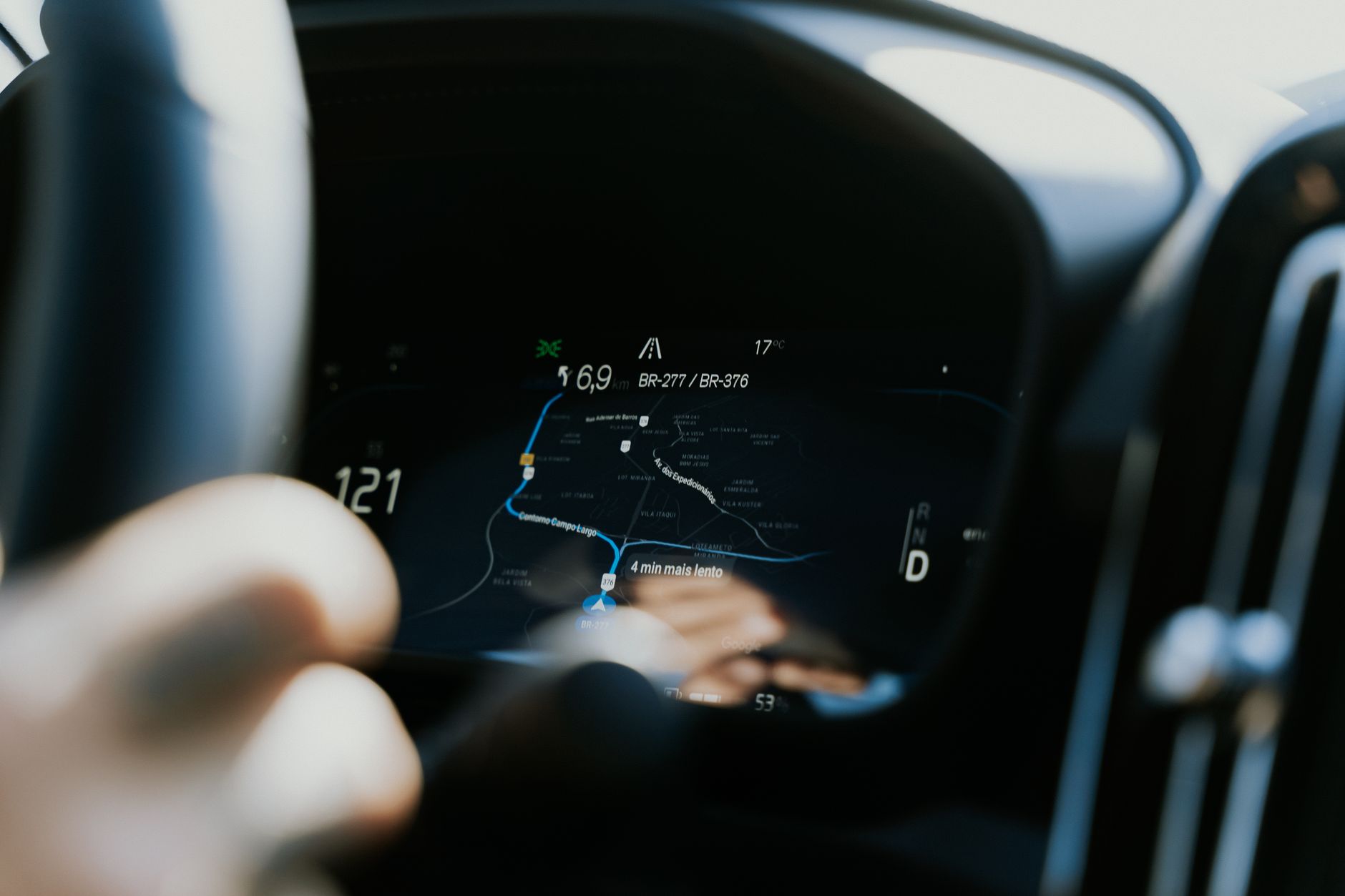
The increasing use of connected vehicles on our roads has brought about a new level of convenience and efficiency, but it also raises important questions about security and privacy. A recent federal document has highlighted the potential risks associated with connected vehicle data, suggesting that it can have intelligence value to adversaries. This is a concerning development, as it implies that the data generated by these vehicles could be used for malicious purposes, compromising the safety and security of drivers and passengers.
What's Going On
According to a federal document, Connected vehicle data ‘can have intelligence value’ to adversaries, which is a worrying trend that needs to be addressed. The document highlights the potential risks associated with the collection and transmission of data from connected vehicles, including the possibility of it being intercepted or hacked by malicious actors. This data can include sensitive information such as location, speed, and driver behavior, which could be used for a variety of nefarious purposes.
The use of connected vehicles is becoming increasingly common, with many manufacturers incorporating advanced technologies such as GPS, sensors, and wireless communication systems into their vehicles. While these technologies offer many benefits, such as improved safety and convenience, they also create new vulnerabilities that can be exploited by malicious actors. The federal document highlights the need for greater awareness and understanding of these risks, as well as the need for more effective measures to protect against them.
The potential risks associated with connected vehicle data are not limited to the vehicles themselves, but also extend to the broader transportation infrastructure. For example, if a malicious actor were to gain access to the data transmission systems used by connected vehicles, they could potentially disrupt the flow of traffic or even cause accidents. This highlights the need for a comprehensive approach to cybersecurity that takes into account the complex interactions between vehicles, infrastructure, and other systems.
Why This Matters
As industry analysts note, the potential risks associated with connected vehicle data are not just theoretical, but are already being exploited by malicious actors. For example, there have been several reported cases of hackers gaining access to the computer systems of connected vehicles, allowing them to take control of the vehicle's systems and potentially cause harm to drivers and passengers. This highlights the need for greater awareness and understanding of these risks, as well as the need for more effective measures to protect against them.
The use of connected vehicles is not just limited to personal vehicles, but also extends to public transportation and other forms of transportation. This means that the potential risks associated with connected vehicle data have far-reaching implications, affecting not just individual drivers, but also the broader community. For example, if a malicious actor were to gain access to the data transmission systems used by public transportation vehicles, they could potentially disrupt the flow of traffic or even cause accidents, affecting many people.
The potential risks associated with connected vehicle data also have significant implications for the transportation industry as a whole. For example, if a manufacturer were to experience a cybersecurity breach, it could potentially damage their reputation and lead to financial losses. This highlights the need for manufacturers to prioritize cybersecurity and take proactive measures to protect against potential risks.
What It Means for the Industry
The potential risks associated with connected vehicle data have significant implications for the transportation industry, highlighting the need for a comprehensive approach to cybersecurity. This includes not just the development of more secure technologies, but also the implementation of effective measures to protect against potential risks. For example, manufacturers could implement robust encryption protocols to protect data transmission, as well as develop incident response plans to quickly respond to potential breaches.
The use of connected vehicles also raises important questions about privacy, as the data generated by these vehicles can be highly personal and sensitive. For example, the location data generated by a connected vehicle could potentially be used to track a driver's movements, compromising their privacy. This highlights the need for manufacturers to prioritize transparency and accountability, ensuring that drivers are aware of how their data is being used and protected.
The potential risks associated with connected vehicle data also have significant implications for policymakers, highlighting the need for more effective regulations and guidelines to protect against potential risks. For example, policymakers could establish standards for the development and implementation of connected vehicle technologies, ensuring that they are secure and protect driver privacy. This could include requirements for robust encryption protocols, as well as guidelines for the collection and use of data.
What Happens Next
As the use of connected vehicles continues to grow, it is likely that we will see increased attention to the potential risks associated with connected vehicle data. For example, the full announcement of the introduction of driverless buses and taxis in the UK highlights the need for a comprehensive approach to cybersecurity, ensuring that these vehicles are secure and protect driver safety. This could include the development of more secure technologies, as well as the implementation of effective measures to protect against potential risks.
The potential risks associated with connected vehicle data also highlight the need for greater awareness and understanding of these risks, as well as the need for more effective measures to protect against them. For example, manufacturers could provide drivers with more information about the potential risks associated with connected vehicle data, as well as the measures they are taking to protect against them. This could include providing drivers with regular updates on the security of their vehicles, as well as offering them the option to opt-out of data collection.
Furthermore, the potential risks associated with connected vehicle data are not limited to the automotive industry, but also extend to other industries, such as finance and healthcare. For example, Deepfake Ceos, Fake Suppliers, AI Phishing: Scams UAE Businesses Need To Watch Out For highlights the need for businesses to be aware of the potential risks associated with AI-powered scams, and to take proactive measures to protect against them. This could include implementing robust cybersecurity protocols, as well as providing employees with regular training on how to identify and respond to potential scams.


