
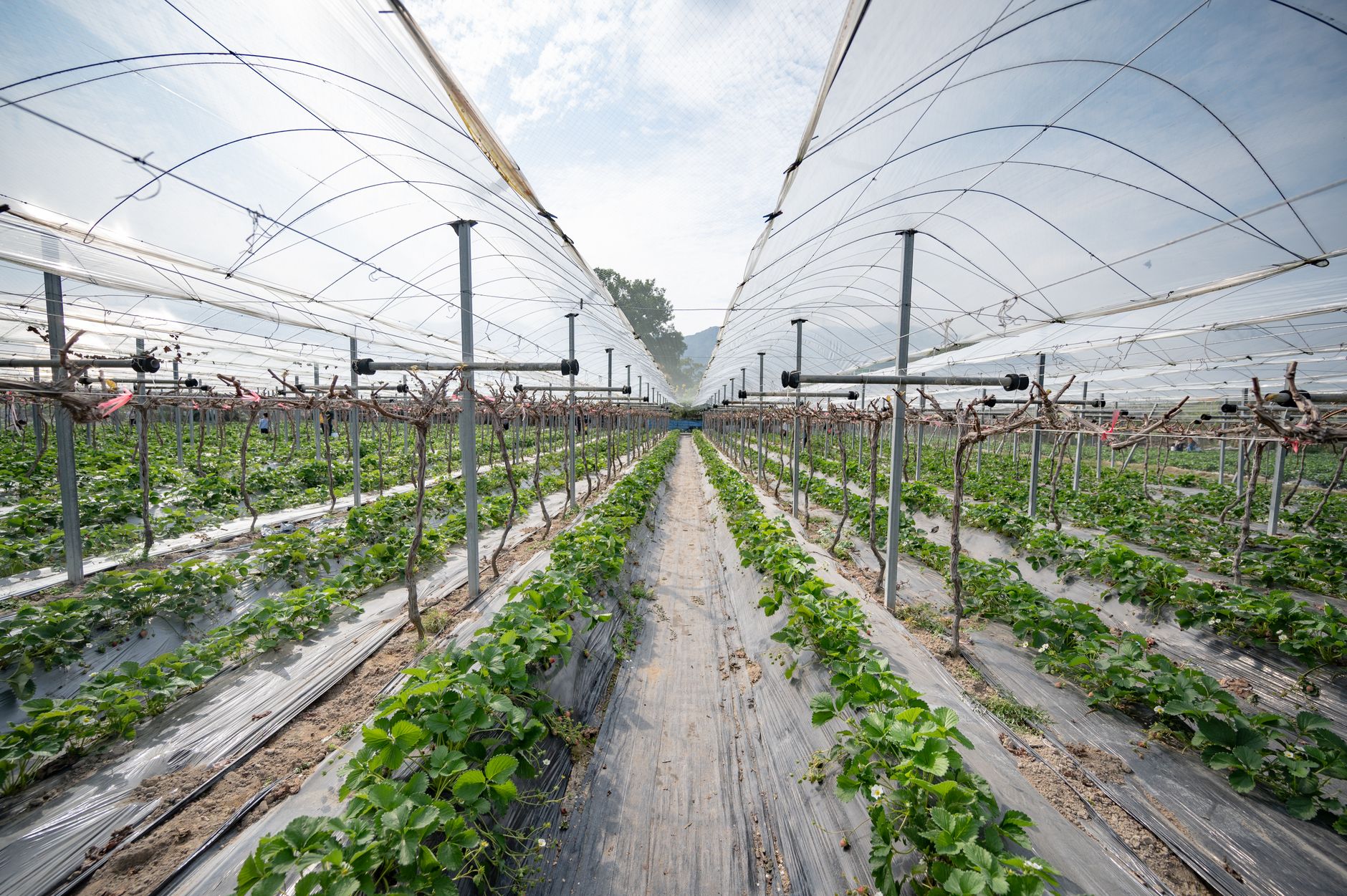
What's Going On
The connected agriculture market is on the cusp of a major transformation, with the adoption of cutting-edge technologies such as AI farm intelligence, precision guidance, and digital workflow platforms. According to a recent report from OpenPR, the global connected agriculture market is expected to reach approximately USD 23.59 billion by 2033, driven by the increasing demand for efficient and sustainable agricultural practices.
The rise of connected agriculture is being fueled by the growing need to improve crop yields, reduce waste, and minimize the environmental impact of agricultural activities. This is where AI and digital technologies come into play, enabling farmers to make data-driven decisions and optimize their operations.
From precision irrigation systems to automated farming equipment, the use of AI and IoT technologies is becoming increasingly widespread in the agriculture sector. This trend is expected to continue in the coming years, as more farmers and agricultural businesses adopt these technologies to improve their efficiency and competitiveness.
Why This Matters
The impact of connected agriculture goes beyond the agriculture sector itself, with far-reaching implications for the global food supply chain and the environment. According to industry analysts, the increasing adoption of AI and digital technologies in agriculture is expected to lead to significant improvements in crop yields, water usage, and energy efficiency.
The benefits of connected agriculture are not limited to individual farmers or agricultural businesses. By improving the efficiency and sustainability of agricultural practices, connected agriculture can help to address some of the world's most pressing environmental challenges, including climate change and water scarcity.
As the global population continues to grow, the demand for food is expected to increase significantly over the coming decades. Connected agriculture is poised to play a critical role in meeting this demand, while also helping to reduce the environmental impact of agricultural activities.
What It Means for the Industry
The growth of connected agriculture is expected to have a profound impact on the agriculture sector, with far-reaching implications for farmers, agricultural businesses, and the broader food supply chain. According to Philipp Ibele of Bosch, the increasing adoption of AI and digital technologies in agriculture is expected to lead to significant improvements in crop yields, water usage, and energy efficiency.
The benefits of connected agriculture are not limited to individual farmers or agricultural businesses. By improving the efficiency and sustainability of agricultural practices, connected agriculture can help to address some of the world's most pressing environmental challenges, including climate change and water scarcity.
As the global population continues to grow, the demand for food is expected to increase significantly over the coming decades. Connected agriculture is poised to play a critical role in meeting this demand, while also helping to reduce the environmental impact of agricultural activities.
What Happens Next
The growth of connected agriculture is expected to continue in the coming years, with more farmers and agricultural businesses adopting AI and digital technologies to improve their efficiency and competitiveness. According to Evan Spiegel of Snap, the increasing adoption of AI in agriculture is expected to lead to significant improvements in crop yields, water usage, and energy efficiency.
The benefits of connected agriculture are not limited to individual farmers or agricultural businesses. By improving the efficiency and sustainability of agricultural practices, connected agriculture can help to address some of the world's most pressing environmental challenges, including climate change and water scarcity.
As the global population continues to grow, the demand for food is expected to increase significantly over the coming decades. Connected agriculture is poised to play a critical role in meeting this demand, while also helping to reduce the environmental impact of agricultural activities.


