
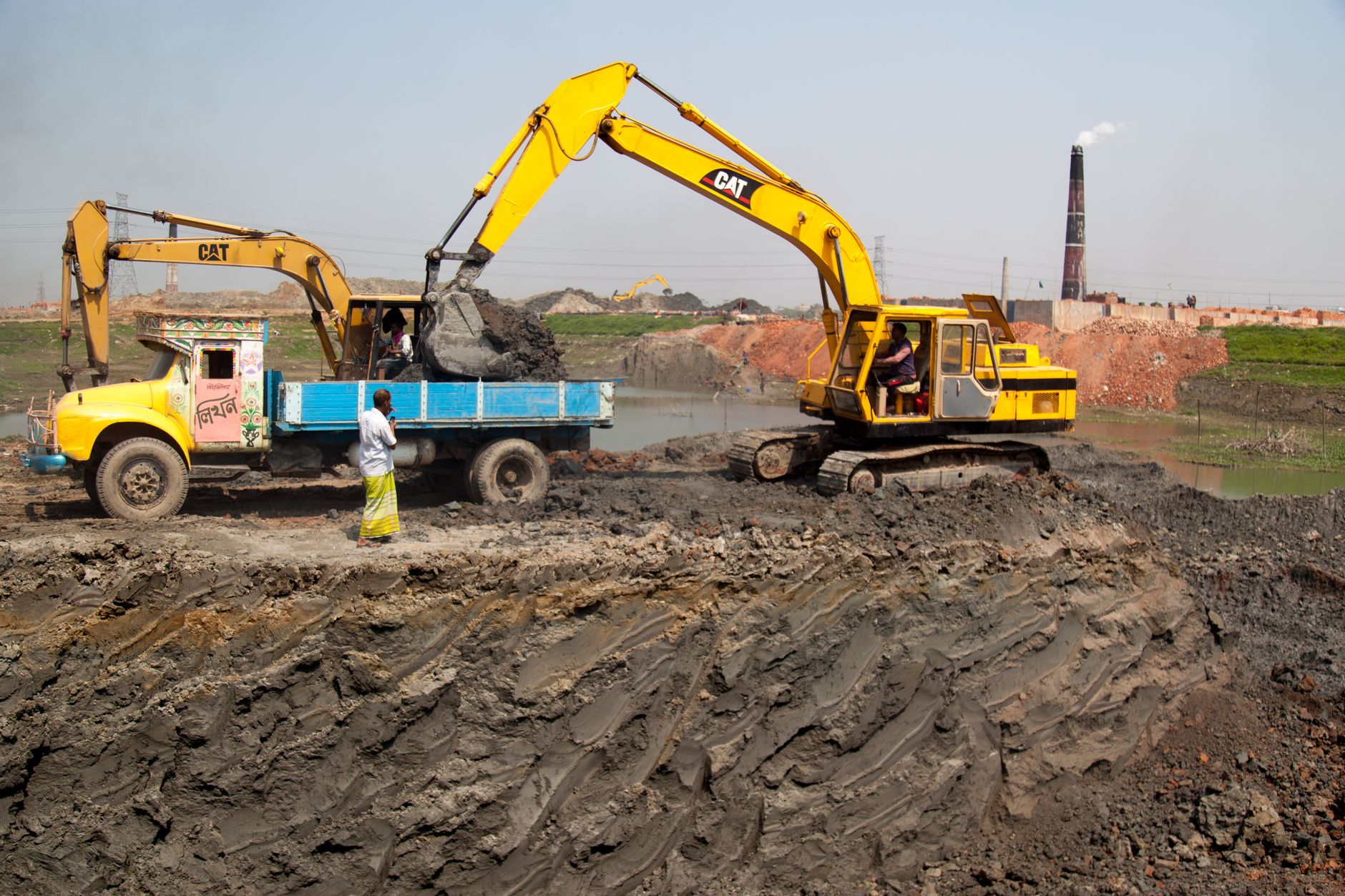
Conflict Coltan May Reach Big Tech, Report Says
Coltan, a mineral essential for the production of electronic devices, has long been associated with conflict and human rights abuses in the Democratic Republic of Congo. A recent report from NewsGhana suggests that big tech companies may be unwittingly contributing to these issues by sourcing coltan from uncertain suppliers.
The report highlights the complex supply chain of coltan, which often involves middlemen and unclear sources. As a result, it can be challenging for companies to ensure that their coltan is sourced responsibly.
The issue is further complicated by the fact that many big tech companies are not transparent about their coltan suppliers. While some companies have taken steps to address concerns about conflict minerals, others may be unaware of the potential risks associated with their coltan sourcing.
Why This Matters
The implications of conflict coltan in big tech are significant, as it can have far-reaching consequences for the industry as a whole. According to industry analysts, the use of conflict minerals can damage a company's reputation and lead to financial losses.
Moreover, the issue of conflict coltan highlights the need for greater transparency and accountability in the tech industry. As consumers become increasingly aware of the potential risks associated with conflict minerals, companies must take steps to address these concerns and demonstrate their commitment to sustainability.
Ultimately, the use of conflict coltan in big tech raises important questions about the industry's responsibility to its consumers and the environment.
What It Means for the Industry
The report's findings have significant implications for the tech industry, as they highlight the need for greater transparency and accountability in coltan sourcing. Companies must take steps to ensure that their coltan is sourced responsibly, and that they are transparent about their supply chains.
This may involve implementing new policies and procedures for sourcing coltan, as well as working with suppliers to ensure that they adhere to responsible sourcing practices.
Furthermore, the industry as a whole must come together to address the issue of conflict coltan. This may involve developing industry-wide standards for responsible sourcing, as well as working with governments and NGOs to promote sustainability and accountability.
What Happens Next
The report's findings have sparked a renewed focus on the issue of conflict coltan in big tech. As companies and industry leaders grapple with the implications of this report, it is likely that we will see increased efforts to address the issue of conflict minerals and promote sustainability in the tech industry. According to the full announcement from Microsoft, the company is committed to promoting sustainability and accountability in its supply chains.
While it remains to be seen how big tech will respond to the report's findings, one thing is clear: the issue of conflict coltan is a pressing concern that demands attention and action from the industry.
Conclusion
The recent report on conflict coltan highlights the need for greater transparency and accountability in the tech industry. As companies and industry leaders grapple with the implications of this report, it is likely that we will see increased efforts to address the issue of conflict minerals and promote sustainability in the tech industry.
The automotive industry, which is closely tied to the tech industry, may also be affected by this issue. For example, the 2027 Chevy Silverado may incorporate technology that is affected by the conflict coltan issue.
Ultimately, the use of conflict coltan in big tech raises important questions about the industry's responsibility to its consumers and the environment. As we move forward, it will be essential for companies and industry leaders to prioritize sustainability and accountability in their sourcing practices.


