
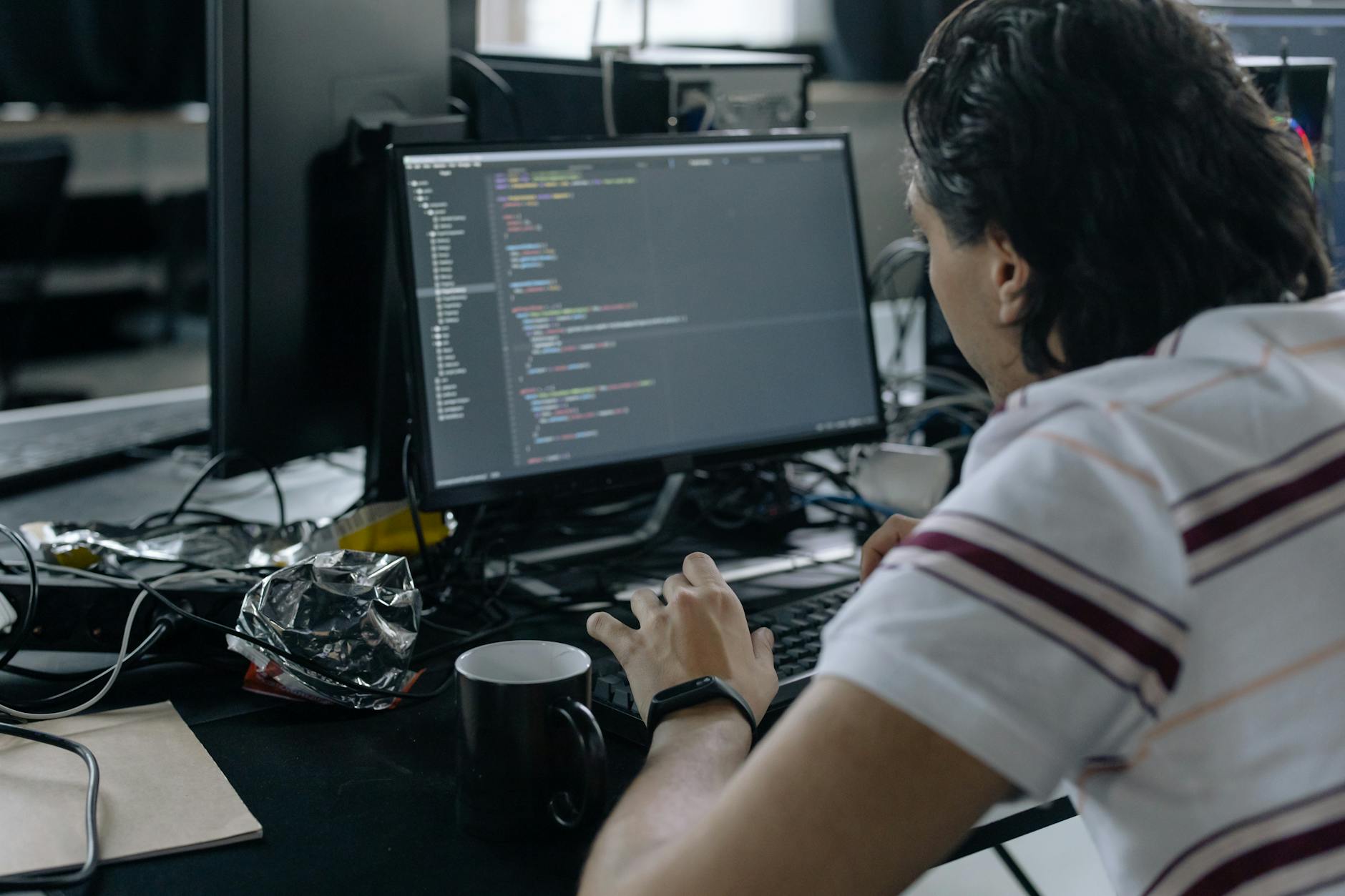
The world of coding has undergone a significant transformation in recent years, with the advent of Artificial Intelligence (AI) tools revolutionizing the way developers work. From AI-powered coding assistants to automated testing and debugging tools, the reliance on AI has become increasingly crucial in the industry. However, a recent report by TechCrunch suggests that coders are now refusing to work without AI, and that could come back to bite them.
What's Going On
The report highlights the growing dependence of coders on AI tools, with many developers now using AI-powered coding assistants to write, test, and debug code. This trend is not limited to individual developers, as companies are also investing heavily in AI-powered coding tools to improve efficiency and reduce costs. According to the report, coders are now refusing to work on projects that do not use AI, citing the need for speed and accuracy.
However, this reliance on AI raises concerns about the skills and expertise of coders. As AI tools become more advanced, there is a risk that coders may become less proficient in writing code, leading to a loss of autonomy and decision-making power. Moreover, the increasing reliance on AI may also lead to a decrease in the quality of code, as AI tools may not be able to fully understand the nuances and complexities of human coding.
The report also highlights the risks of over-reliance on AI, including the potential for errors and bugs that may be difficult to detect and fix. Additionally, the use of AI-powered coding tools may also lead to a lack of transparency and accountability, making it challenging to identify the source of errors and bugs.
Why This Matters
The industry impact of this trend is significant, as the growing dependence on AI may lead to a decrease in the quality of code and a loss of autonomy for coders. Industry analysts note that the use of AI-powered coding tools may also lead to a shift in the types of skills and expertise that are valued in the industry. According to industry analysts, the increasing reliance on AI may also lead to a decrease in the demand for human coders, as companies may opt for AI-powered solutions to reduce costs and improve efficiency.
The bigger picture is that the growing dependence on AI may also lead to a loss of creativity and innovation in the industry. As coders become more reliant on AI tools, they may be less inclined to think outside the box and come up with innovative solutions to complex problems. Moreover, the use of AI-powered coding tools may also lead to a lack of diversity and inclusion in the industry, as AI tools may not be able to fully capture the nuances and complexities of human coding.
What It Means for the Industry
The implications of this trend are significant, as the growing dependence on AI may lead to a shift in the types of skills and expertise that are valued in the industry. The increasing reliance on AI may also lead to a decrease in the quality of code and a loss of autonomy for coders. Moreover, the use of AI-powered coding tools may also lead to a lack of transparency and accountability, making it challenging to identify the source of errors and bugs.
Strategically, the industry needs to address the risks associated with the growing dependence on AI. This includes investing in education and training programs that focus on the skills and expertise needed to work with AI tools, as well as developing more transparent and accountable AI-powered coding tools. Additionally, the industry needs to focus on promoting diversity and inclusion, as AI tools may not be able to fully capture the nuances and complexities of human coding.
What Happens Next
The outlook for the industry is uncertain, as the growing dependence on AI may lead to a shift in the types of skills and expertise that are valued. According to the full announcement by Percona, the company is backing the OurSQL Foundation with a new Hood appointment, which may signal a shift towards more transparent and accountable AI-powered coding tools. However, the industry needs to address the risks associated with the growing dependence on AI, including the potential for errors and bugs, as well as the lack of diversity and inclusion.
Ultimately, the future of the industry depends on how we address the challenges and risks associated with the growing dependence on AI. By investing in education and training programs, developing more transparent and accountable AI-powered coding tools, and promoting diversity and inclusion, we can ensure that the industry remains a vibrant and innovative place for coders and developers.


