
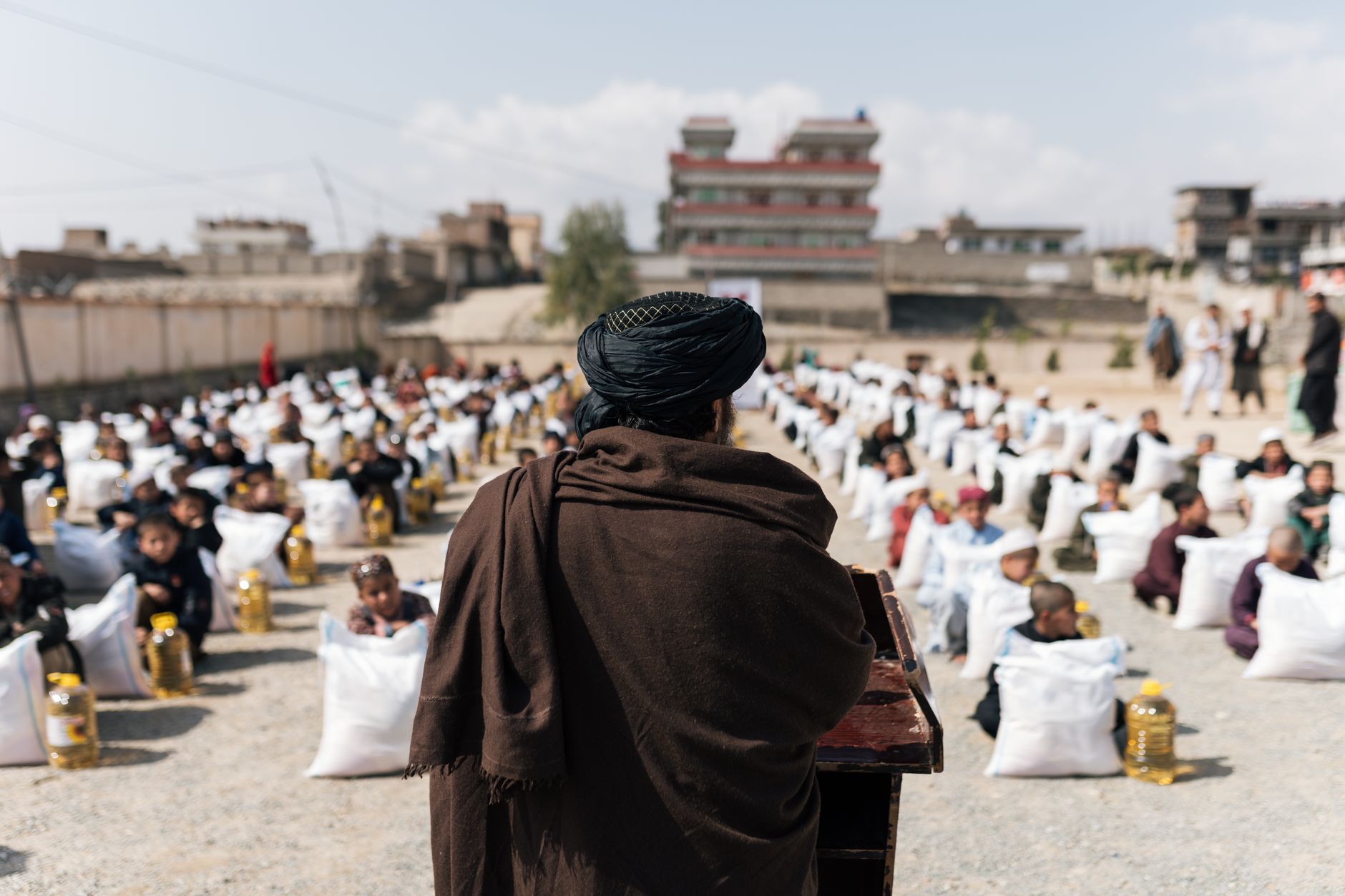
Imagine a world where a refugee in a remote camp can receive cash assistance instantly on a mobile phone, or a small farmer in a low‑income country can access a digital grant without stepping foot in a bank. That vision is edging closer to reality thanks to a new partnership that blends philanthropy, technology, and global development expertise.
What's Going On
The Circle Foundation Announces Support for the United Nations Development Programme (UNDP) and World Food Programme (WFP) in a joint effort to accelerate digital payments across development and humanitarian projects. The announcement, made on September 25 2026, outlines a multi‑year commitment that will fund pilot programs, capacity‑building workshops, and the integration of blockchain‑based solutions into existing aid distribution channels.
At its core, the initiative seeks to replace legacy cash‑in‑hand disbursements with secure, traceable, and instantly settleable digital transactions. By leveraging Circle’s stablecoin infrastructure, the partnership aims to lower transaction costs, reduce fraud, and improve the speed at which aid reaches those who need it most. The collaboration also includes a research component to evaluate social impact, financial inclusion metrics, and scalability across different geographic regions.
Key pillars of the program include: (1) building a regulatory sandbox in partner countries to test cross‑border digital transfers; (2) training local NGOs and government agencies on digital wallet onboarding; (3) creating a real‑time monitoring dashboard that visualizes fund flow; and (4) establishing a feedback loop with beneficiaries to refine the user experience. Early pilots are slated for East Africa, South‑East Asia, and parts of the Caribbean, where mobile penetration is high but formal banking services remain limited.
Why This Matters
Digital payments are no longer a niche fintech trend; they are becoming a cornerstone of modern aid delivery. Solaris Goes Live on ACI Worldwide’s ACI recently demonstrated how instant settlement can transform everyday banking, and the same principles apply to humanitarian finance. By moving funds onto a programmable ledger, agencies can embed conditionality, such as releasing additional assistance only when certain health or education milestones are met.
The broader impact extends to macro‑economic stability. When cash assistance is digitized, it becomes part of the formal economy, generating transaction data that can inform policy decisions, improve tax collection, and stimulate local markets. Moreover, digital receipts reduce the need for physical cash handling, cutting down on logistical overhead and security risks in volatile environments.
Beneficiaries, NGOs, and governments all stand to gain. Refugees gain autonomy, NGOs receive transparent reporting tools that satisfy donor requirements, and governments can better coordinate multi‑agency responses. For the private sector, the initiative opens a pathway to collaborate on scalable solutions that align profit motives with social good, potentially unlocking new investment streams in impact‑focused fintech.
What It Means for the Industry
The Circle‑UNDP‑WFP partnership signals a shift from experimental pilots to mainstream adoption of digital payments in the aid sector. Traditional cash‑based assistance has long been criticized for inefficiencies and susceptibility to corruption. By showcasing a robust, blockchain‑enabled model, the collaboration sets a benchmark for other NGOs and multilateral institutions looking to modernize their disbursement mechanisms.
From a technology standpoint, the move pushes providers to prioritize interoperability, compliance, and user‑centric design. Solutions must integrate with local mobile money operators, adhere to anti‑money‑laundering (AML) standards, and support low‑bandwidth environments. This pressure will likely accelerate innovations such as offline‑first wallets, biometric verification, and AI‑driven fraud detection.
Strategically, the partnership underscores the growing importance of public‑private collaboration. As Creatio Showcases Banking CRM and AI in recent events, the convergence of fintech, AI, and humanitarian aid is becoming a fertile ground for new business models. Companies that can demonstrate measurable impact while delivering secure, compliant services will likely become preferred partners for future UN‑led initiatives.
What Happens Next
The roadmap for the next 12‑18 months is ambitious. SymphonyAI Introduces Symphony Risk Inte will support the initiative by providing an always‑on compliance engine that monitors transactions in real time, ensuring that funds are used appropriately and that regulatory obligations are met across jurisdictions.
In the coming weeks, pilot sites will begin onboarding beneficiaries, issuing digital wallets, and processing the first batch of aid payments. Stakeholders will convene quarterly to review performance metrics, share lessons learned, and adjust the technical architecture as needed. The ultimate goal is to create a replicable playbook that can be rolled out to additional countries, scaling the impact from millions to tens of millions of lives.
As the partnership matures, we can expect a ripple effect: more donors will consider digital channels for their contributions, governments will adopt similar frameworks for social safety nets, and fintech innovators will refine their offerings to meet the unique demands of humanitarian work. The convergence of technology, philanthropy, and development policy promises a future where aid is not just faster, but smarter, more transparent, and truly empowering for those it serves.


