
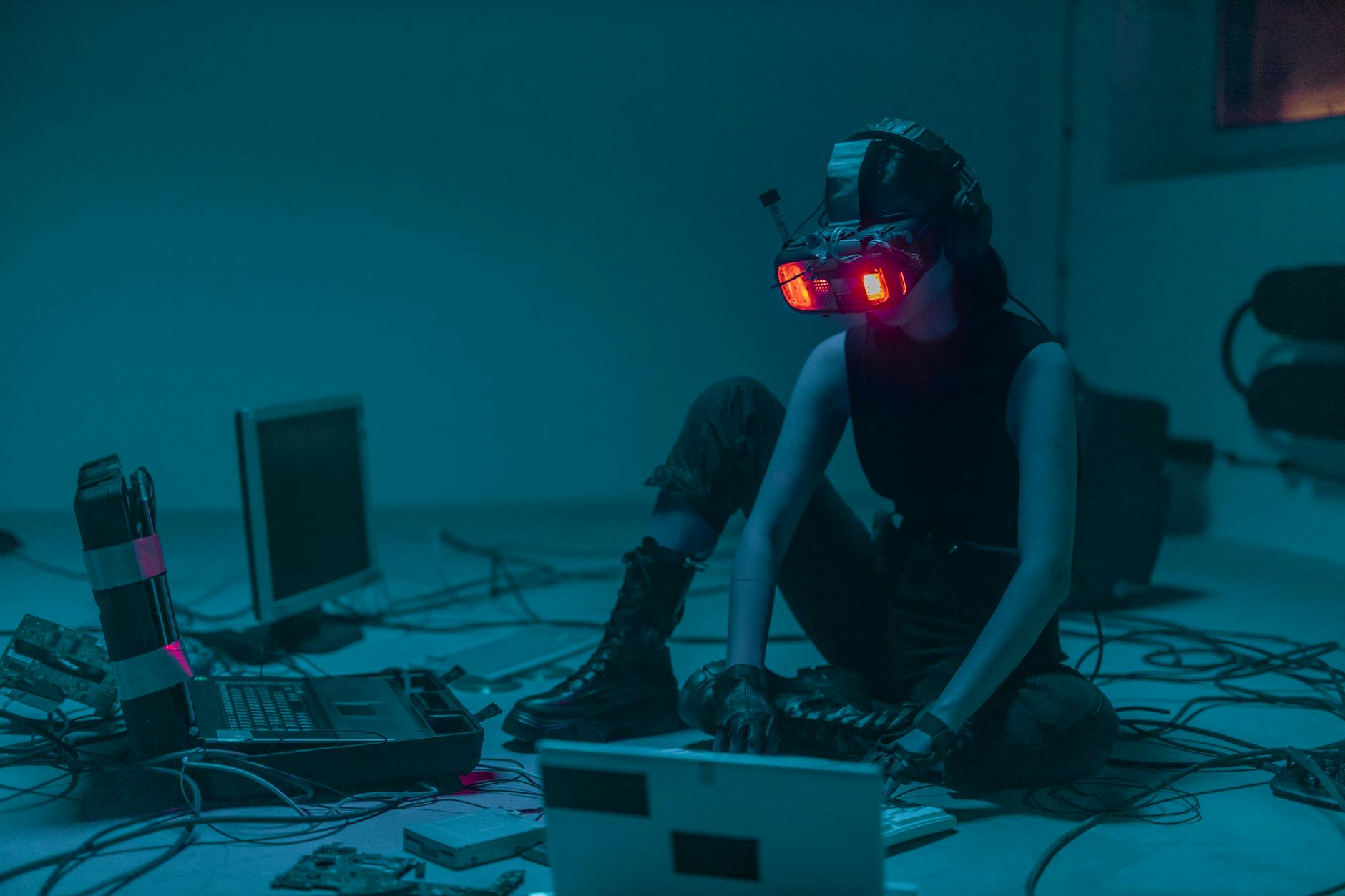
Imagine a bustling studio in Chengdu where a director doesn’t have to worry about GPU costs, office rent, or even the price of a high‑end camera. Instead, the city hands over cloud‑compute credits, waives the lease on a co‑working space, and earmarks a special fund for experimental projects. This isn’t a futuristic fantasy; it’s the reality unfolding across China’s provincial capitals as they race to become the world’s AI‑driven media hubs.
What's Going On
According to Reuters reports, dozens of local governments have rolled out incentive packages that include everything from computing vouchers that can be used on national AI cloud platforms to outright rent waivers for studios that commit to AI‑enhanced production. The subsidies are part of a broader national AI push that aims to position China at the forefront of generative‑AI applications, and film is a high‑visibility showcase for that ambition.
These packages are not one‑size‑fits‑all. Cities like Hangzhou, Shenzhen, and Xi’an have tailored their offers to the existing tech ecosystems in their regions. Hangzhou, home to Alibaba’s cloud arm, bundles free access to its AI compute clusters with mentorship from seasoned data scientists. Shenzhen, the hardware capital, adds discounted 3D‑printing services for set design, while Xi’an leverages its deep‑tech university network to provide research grants for AI‑driven storytelling experiments.
The financial incentives are complemented by softer perks: streamlined bureaucratic approvals, preferential tax treatment for AI‑related intellectual property, and even dedicated exhibition spaces where filmmakers can showcase their AI‑generated works to investors and tourists. By bundling hard cash with “soft power” advantages, local authorities hope to create an ecosystem where creativity and cutting‑edge technology reinforce each other.
Why This Matters
Industry analysts note that the infusion of AI subsidies could accelerate the convergence of two traditionally separate sectors—film production and high‑performance computing. The result may be a wave of content that is cheaper to produce, faster to iterate, and more personalized to audience preferences. This shift mirrors trends seen in other high‑tech domains where government backing has lowered the entry barrier for innovative startups, catalyzing rapid market growth.
Beyond the economics, the cultural implications are profound. AI‑generated visuals, scripts, and even music can democratize storytelling, allowing creators from smaller cities or under‑represented backgrounds to compete on a national stage. At the same time, the state’s involvement raises questions about editorial control, data privacy, and the potential for algorithmic bias to shape narratives in subtle ways.
The ripple effects will be felt across the entire media supply chain. Post‑production houses may need to upskill staff to handle AI‑augmented workflows, while traditional VFX firms could see a compression of timelines as generative models take over routine tasks. Meanwhile, advertisers and distributors will have access to hyper‑targeted content, reshaping how films are marketed and monetized.
What It Means for the Industry
For established studios, the subsidies represent both an opportunity and a strategic dilemma. On one hand, leveraging free compute credits can dramatically cut the cost of rendering complex scenes, freeing up budget for talent or marketing. On the other hand, studios must decide how quickly to integrate AI tools without compromising brand identity or creative control. Early adopters that strike the right balance could set new industry standards for efficiency and visual flair.
Start‑ups and indie creators stand to gain the most. With rent waivers and dedicated funding, a small team can set up a full‑scale production pipeline in a matter of weeks—a process that previously required years of fundraising and negotiations. This democratization may lead to a surge in genre‑bending projects, from AI‑driven sci‑fi epics to hyper‑localized documentaries that blend real‑time data with narrative storytelling.
Recent VC funding trends suggest that investors are already eyeing the intersection of AI and media. The surge in capital flowing to AI‑focused creative platforms signals that the market is primed for a new wave of content creation tools. As venture capitalists pour money into startups that offer AI‑powered editing suites, script generators, and virtual set designers, the ecosystem around these subsidies will only become more vibrant and competitive. (recent VC funding deals)
What Happens Next
The full announcement of the subsidy programs was accompanied by a series of pilot projects that will serve as proof‑of‑concept for the broader rollout. Cities plan to monitor key performance indicators such as the number of AI‑generated titles produced, the reduction in production costs, and the level of talent migration into their regions. The data collected will inform policy tweaks and may even inspire a national framework for AI‑enhanced cultural production.
Looking ahead, the convergence of government incentives, private investment, and rapid AI advancements could rewrite the rulebook for how movies are made, distributed, and consumed. While the exact trajectory remains uncertain, one thing is clear: the era of AI‑augmented filmmaking in China has officially begun, and its reverberations will be felt far beyond the Great Wall.


