
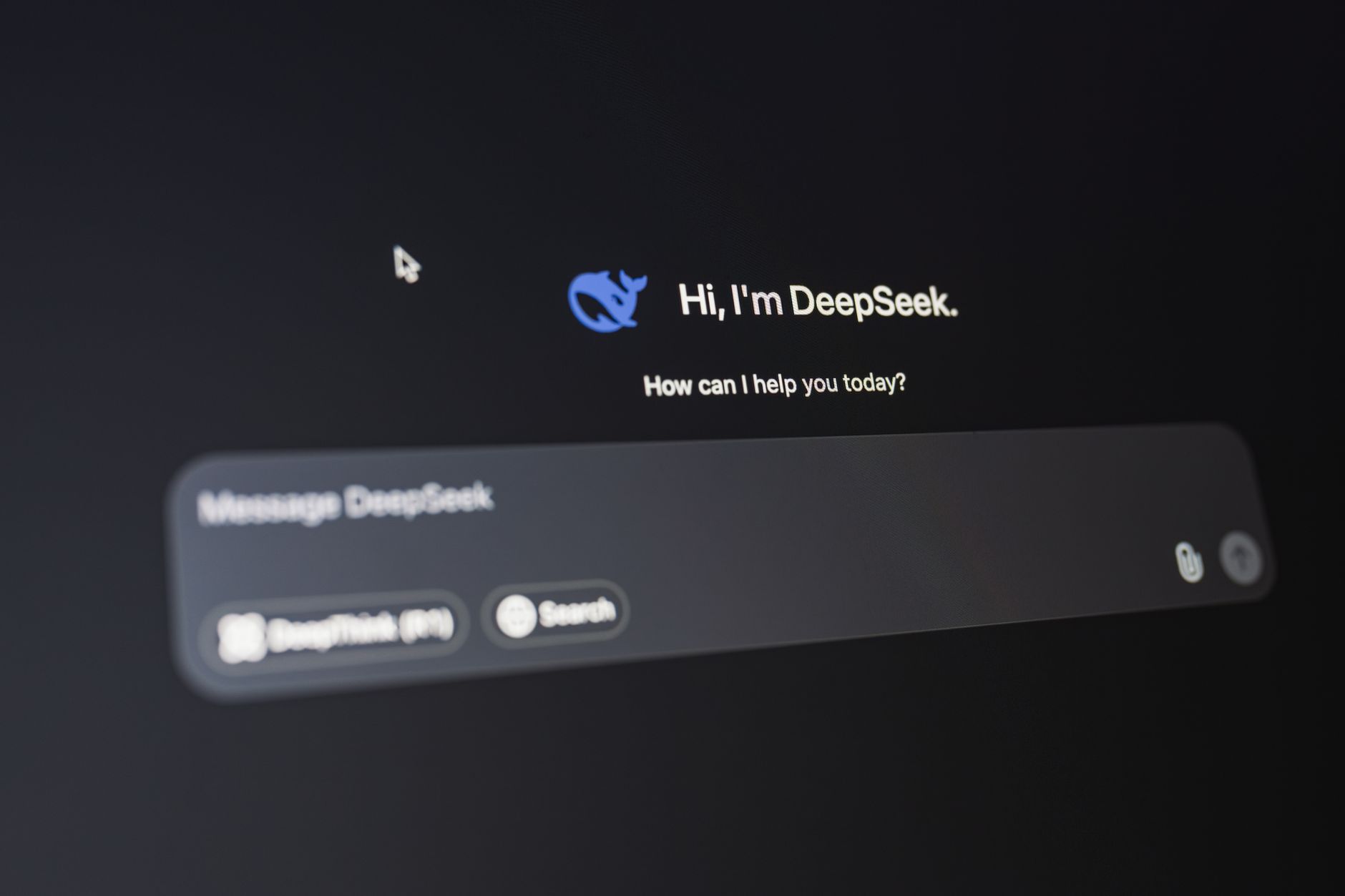
The AI world feels a bit like a high‑speed race, and this week the lead car switched lanes. While many of us have been scrolling through ChatGPT’s latest features, a Chinese contender called DeepSeek has quietly surged to the top of the App Store charts, nudging OpenAI’s flagship model out of the number‑one spot. It’s not just a vanity metric; it signals a maturing, globally competitive ecosystem where new entrants can out‑perform the incumbents on speed, pricing, and local relevance.
What’s Going On
According to China's DeepSeek AI dethrones ChatGPT on the App Store, DeepSeek’s iOS app climbed to the top of the “Productivity” category within days of its launch, surpassing ChatGPT’s download numbers and user ratings. The surge was driven by a combination of aggressive local marketing, a freemium pricing model that undercuts OpenAI’s subscription tiers, and a language model that’s been fine‑tuned on Chinese‑centric data, making it more responsive to regional queries.
The app’s success isn’t just about raw download counts. Users report smoother conversation flows, faster response times, and a set of built‑in tools—code generation, spreadsheet assistance, and even image captioning—that feel more tightly integrated than the modular add‑ons offered by competitors. DeepSeek’s developers claim the model runs on a hybrid cloud‑edge architecture, leveraging local data centers to cut latency for users in Asia, a technical edge that translates directly into a better user experience.
OpenAI has responded with a series of updates, tightening its own pricing and rolling out new plugins aimed at narrowing the feature gap. Yet the momentum DeepSeek has built suggests that the AI marketplace is no longer a single‑player arena. The App Store ranking is a public barometer, but the underlying dynamics—data sovereignty, cost structures, and regional customization—are reshaping how users choose their AI assistants.
Why This Matters
Industry analysts note that the shift is a bellwether for the broader AI economy. In a recent briefing, AP Business SummaryBrief at 5:04 p.m. ED highlighted how the rise of a home‑grown Chinese model challenges the perception that the West alone drives AI innovation. The competition forces all players to rethink pricing, data handling, and localization strategies, especially as regulators worldwide tighten rules around data residency and algorithmic transparency.
From an investor’s perspective, the DeepSeek story adds a new variable to the valuation models of AI startups. Capital is increasingly flowing toward firms that can demonstrate a clear path to market dominance in specific geographies, rather than chasing a one‑size‑fits‑all global rollout. This could accelerate funding for regional AI hubs, diversify the talent pool, and spur a wave of cross‑border collaborations aimed at tackling niche use‑cases that global giants might overlook.
End‑users are the ultimate beneficiaries of this competition. When multiple high‑quality chatbots vie for attention, we can expect faster iteration cycles, more transparent pricing, and features that cater to local languages, cultural nuances, and regulatory environments. In practice, that could mean a Chinese small business owner gets a chatbot that understands local tax codes out of the box, while a European developer enjoys tighter GDPR compliance built into the model’s core.
What It Means for the Industry
The DeepSeek surge underscores the importance of strategic partnerships and infrastructure investments. Companies that control the underlying compute fabric—whether through custom silicon, edge data centers, or AI‑specific cloud services—will have a decisive advantage in delivering low‑latency, cost‑effective experiences. This is where the recent wave of mega‑deals in the AI hosting space becomes relevant, as firms scramble to secure the hardware and software stack needed to support ever‑larger models.
One clear implication is the growing relevance of AI model hosting platforms that can abstract away the complexity of scaling. As AI applications become more embedded in everyday tools, developers will lean on platforms that offer seamless deployment, monitoring, and compliance features. The market is already seeing consolidation, with major players snapping up specialized startups to broaden their service portfolios.
Strategically, incumbents like OpenAI may double down on ecosystem development—offering robust APIs, developer incentives, and cross‑platform integrations—to retain their foothold. Meanwhile, challengers such as DeepSeek will likely double‑down on regional strengths, forging alliances with local telecoms, cloud providers, and content creators to embed their models deeper into the digital fabric of their home markets.
In this evolving landscape, the acquisition of AI hosting platforms is a telling indicator of where the industry is heading. Nvidia confirms $12.9B acquisition of AI hosting platform Hugging Face illustrates how hardware giants are betting on end‑to‑end AI pipelines, from model training to deployment. Such moves could lower barriers for smaller players, enabling them to compete on feature sets rather than raw compute power.
What Happens Next
The next chapter will likely involve a flurry of strategic announcements. Nvidia buys Hugging Face in US$13 billio signals a consolidation trend that could reshape the supply chain for AI services, making it easier for developers to plug in high‑quality models without building their own infrastructure. Expect to see similar partnerships between regional AI firms and global cloud providers, each aiming to capture a slice of the burgeoning chatbot market.
For users, the immediate takeaway is simple: more choices, better performance, and potentially lower costs. As DeepSeek and other challengers iterate, we’ll likely see a wave of new features—real‑time translation, multimodal inputs, and tighter integration with productivity suites—becoming standard across the board. The AI race is heating up, and the winner will be the one who delivers the most seamless, trustworthy, and locally relevant experience.


