
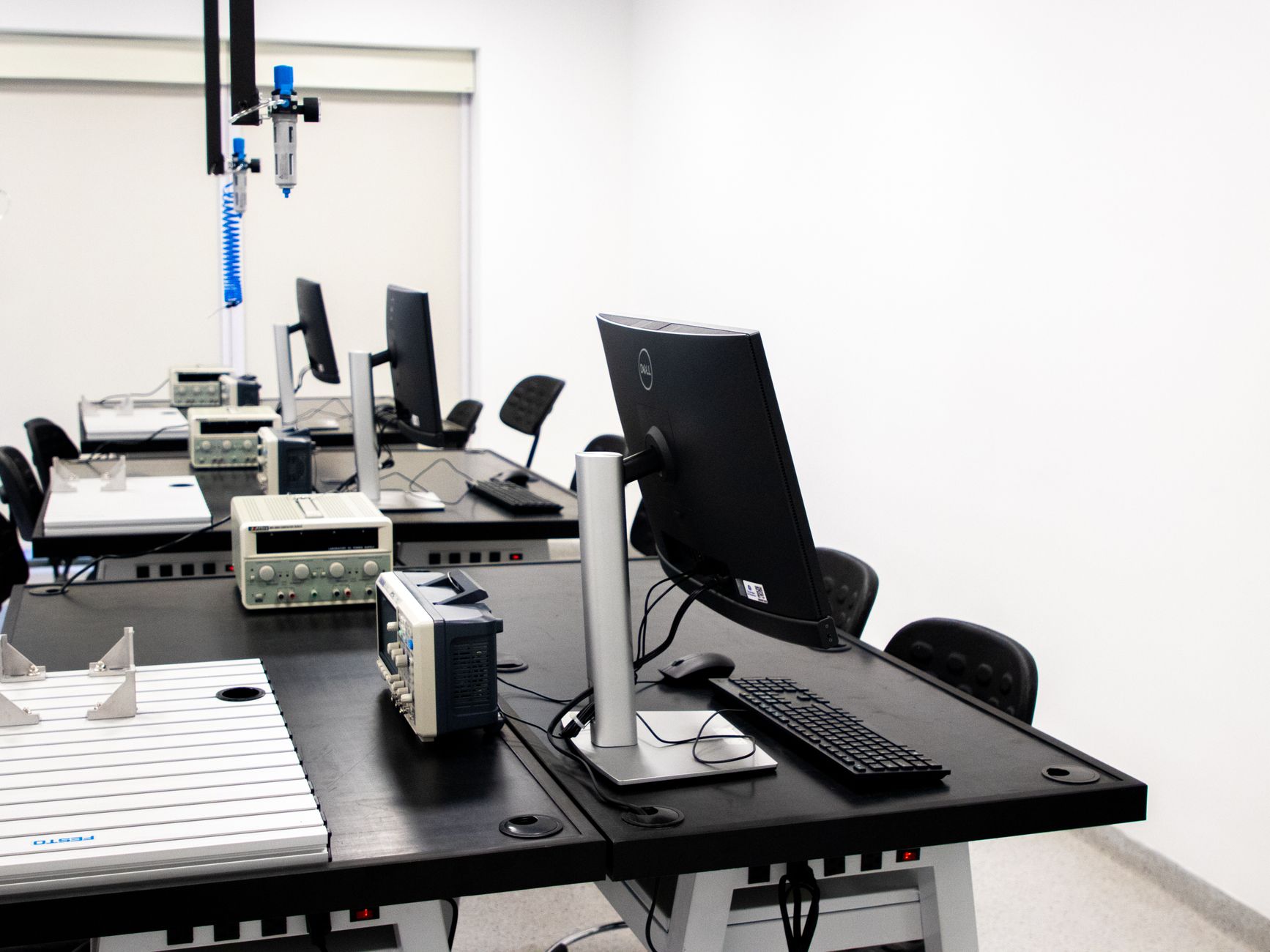
The world of artificial intelligence is abuzz with the latest development from China, as the country takes a significant leap forward in its pursuit of technological advancement. In a move to counter the restrictions imposed by the US on its chip imports, China has opened its first photonic computing lab, marking a major milestone in its efforts to develop cutting-edge, light-based technology for AI chips. This innovative approach has the potential to revolutionize the field of artificial intelligence, enabling faster, more efficient, and more powerful computing capabilities. As China opens its first photonic computing lab, the country is poised to make a significant impact on the global tech landscape.
What's Going On
The new photonic computing lab is a testament to China's commitment to developing its own technological capabilities, reducing its reliance on foreign imports, and staying ahead of the curve in the rapidly evolving field of artificial intelligence. By investing in photonic computing, China aims to create a new generation of AI chips that can process vast amounts of data at incredible speeds, using light instead of traditional electronic signals. This approach has the potential to overcome the limitations of traditional computing, enabling the development of more sophisticated AI systems that can learn, reason, and interact with their environment in a more human-like way.
The lab will focus on developing the necessary infrastructure, expertise, and technologies to support the development of photonic AI chips, including advanced materials, optical interconnects, and quantum computing capabilities. By bringing together leading researchers, engineers, and industry experts, the lab will foster collaboration, innovation, and knowledge-sharing, driving progress in this exciting field. As the lab begins its operations, it will be interesting to see how China's photonic computing efforts will impact the global tech industry, and what implications this will have for the future of AI development.
The opening of the photonic computing lab is a significant development in China's ongoing efforts to enhance its technological capabilities, particularly in the areas of AI, quantum computing, and semiconductor manufacturing. As the country continues to invest in these areas, it is likely to have a major impact on the global balance of power in the tech industry, potentially altering the dynamics of international trade, innovation, and competition. With its strong commitment to technological advancement, China is well-positioned to become a leader in the development of cutting-edge technologies, including photonic computing, and to play a major role in shaping the future of the tech industry.
Why This Matters
The development of photonic computing has significant implications for the tech industry, as it has the potential to enable the creation of more powerful, efficient, and scalable AI systems. As London Tech Week 2026: the AI billions,the US build-out, and a royal first, demonstrate, the AI landscape is rapidly evolving, with new technologies, innovations, and investments emerging all the time. The ability to process vast amounts of data at high speeds, using light-based technology, will be critical to the development of more sophisticated AI systems, enabling them to learn, reason, and interact with their environment in a more human-like way.
The impact of photonic computing will be felt across a wide range of industries, from healthcare and finance to transportation and education. As AI systems become more powerful, efficient, and scalable, they will be able to tackle complex problems, analyze vast amounts of data, and provide insights that were previously impossible to obtain. The development of photonic computing will also have significant implications for the global economy, as it will enable the creation of new industries, jobs, and opportunities, while also disrupting traditional business models and industries. As the tech industry continues to evolve, it will be exciting to see how photonic computing will shape the future of AI development and the many industries that rely on it.
The potential of photonic computing to transform the tech industry is vast, and its impact will be felt for years to come. As China, the US, and other countries continue to invest in this technology, it will be interesting to see how the global balance of power in the tech industry will shift, and what implications this will have for international trade, innovation, and competition. With its strong commitment to technological advancement, China is well-positioned to play a major role in shaping the future of the tech industry, and its photonic computing lab is an important step in this direction.
What It Means for the Industry
The development of photonic computing has significant implications for the tech industry, as it will enable the creation of more powerful, efficient, and scalable AI systems. As the industry continues to evolve, it will be exciting to see how photonic computing will shape the future of AI development and the many industries that rely on it. The potential of photonic computing to transform the tech industry is vast, and its impact will be felt for years to come. With its strong commitment to technological advancement, China is well-positioned to play a major role in shaping the future of the tech industry, and its photonic computing lab is an important step in this direction.
The impact of photonic computing will be felt across a wide range of industries, from healthcare and finance to transportation and education. As AI systems become more powerful, efficient, and scalable, they will be able to tackle complex problems, analyze vast amounts of data, and provide insights that were previously impossible to obtain. The development of photonic computing will also have significant implications for the global economy, as it will enable the creation of new industries, jobs, and opportunities, while also disrupting traditional business models and industries. As the tech industry continues to evolve, it will be interesting to see how photonic computing will shape the future of AI development and the many industries that rely on it.
The potential of photonic computing to transform the tech industry is vast, and its impact will be felt for years to come. As China, the US, and other countries continue to invest in this technology, it will be interesting to see how the global balance of power in the tech industry will shift, and what implications this will have for international trade, innovation, and competition. With its strong commitment to technological advancement, China is well-positioned to play a major role in shaping the future of the tech industry, and its photonic computing lab is an important step in this direction. Investors looking to capitalize on this trend may want to consider Nanotechnology Stocks To Add to Your Watchlist, as they are likely to be impacted by the development of photonic computing.
What Happens Next
As the photonic computing lab begins its operations, it will be exciting to see how China's efforts will impact the global tech industry. With its strong commitment to technological advancement, China is well-positioned to play a major role in shaping the future of the tech industry, and its photonic computing lab is an important step in this direction. The development of photonic computing has significant implications for the tech industry, as it will enable the creation of more powerful, efficient, and scalable AI systems. As the industry continues to evolve, it will be interesting to see how photonic computing will shape the future of AI development and the many industries that rely on it. For those interested in learning more about the latest developments in photonic computing and AI, you can check out The quantum computing revolution is closer than you think, which provides an in-depth look at the latest advancements in this field.
The potential of photonic computing to transform the tech industry is vast, and its impact will be felt for years to come. As China, the US, and other countries continue to invest in this technology, it will be interesting to see how the global balance of power in the tech industry will shift, and what implications this will have for international trade, innovation, and competition. With its strong commitment to technological advancement, China is well-positioned to play a major role in shaping the future of the tech industry, and its photonic computing lab is an important step in this direction. As the tech industry continues to evolve, it will be exciting to see how photonic computing will shape the future of AI development and the many industries that rely on it.
In conclusion, the opening of China's first photonic computing lab marks a significant milestone in the country's efforts to develop cutting-edge, light-based technology for AI chips. As the tech industry continues to evolve, it will be


