
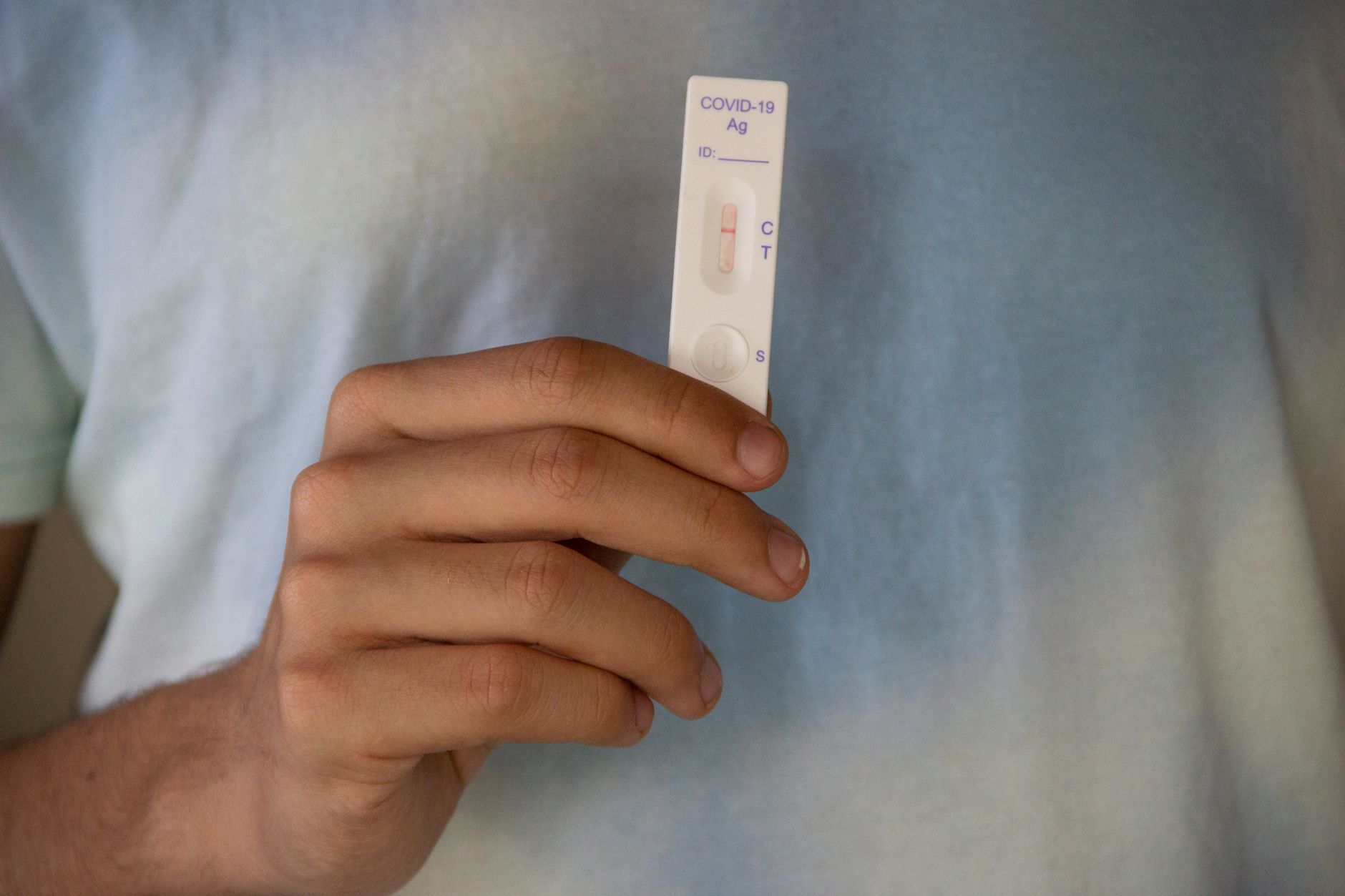
Imagine being able to diagnose diseases quickly and accurately, without the need for expensive and time-consuming laboratory tests. This is the promise of point-of-care diagnostics, a field that has been rapidly advancing in recent years. One company that is at the forefront of this trend is CD Bioparticles, which has just announced a new service for colloidal gold lateral flow assays. This technology has the potential to revolutionize the way we diagnose diseases, and it's an exciting development for the medical community.
What's Going On
According to CD Bioparticles Announces Services for Colloidal Gold Lateral Flow Assays, the company's new service will provide researchers and manufacturers with a reliable and efficient way to produce high-quality colloidal gold particles for use in lateral flow assays. These assays are a type of diagnostic test that can be used to detect a wide range of diseases, from infectious diseases like influenza and HIV to chronic conditions like diabetes and cancer.
The use of colloidal gold in lateral flow assays is not new, but CD Bioparticles' service promises to take it to the next level. By providing high-quality gold particles that are specifically designed for use in these assays, the company aims to improve the accuracy and reliability of diagnostic tests. This is a significant step forward, as it has the potential to enable faster and more accurate diagnosis of diseases, which can lead to better treatment outcomes and improved patient care.
The technology behind colloidal gold lateral flow assays is complex, but the basic principle is simple. The tests work by using gold particles to detect the presence of specific antibodies or antigens in a sample. When a sample is applied to the test strip, the gold particles bind to the target molecules, causing a visible change in the color of the strip. This change can be used to indicate the presence or absence of the disease, making it a quick and easy way to diagnose a wide range of conditions.
Why This Matters
As Ex-DeepMind researcher’s London startup has shown, the use of advanced technologies like AI and machine learning is becoming increasingly important in the field of medical diagnostics. The development of new diagnostic tests and technologies is a key area of focus, as it has the potential to improve patient outcomes and reduce healthcare costs. CD Bioparticles' new service is a significant step forward in this area, as it promises to enable the production of high-quality diagnostic tests that can be used to detect a wide range of diseases.
The impact of this technology will be felt across the medical community, from researchers and manufacturers to healthcare providers and patients. By enabling faster and more accurate diagnosis of diseases, colloidal gold lateral flow assays have the potential to improve treatment outcomes and reduce healthcare costs. This is a significant benefit, as it can help to reduce the burden on healthcare systems and improve patient care.
The use of colloidal gold lateral flow assays is not limited to human medicine, however. The technology can also be used in veterinary medicine, as well as in environmental monitoring and food safety testing. This makes it a versatile and widely applicable technology, with the potential to have a significant impact across a range of fields.
What It Means for the Industry
The announcement of CD Bioparticles' new service is a significant development for the medical diagnostics industry. It promises to enable the production of high-quality diagnostic tests that can be used to detect a wide range of diseases, and it has the potential to improve patient outcomes and reduce healthcare costs. The technology behind colloidal gold lateral flow assays is complex, but the basic principle is simple, and it has the potential to be widely adopted across the medical community.
The impact of this technology will be felt across the industry, from researchers and manufacturers to healthcare providers and patients. By enabling faster and more accurate diagnosis of diseases, colloidal gold lateral flow assays have the potential to improve treatment outcomes and reduce healthcare costs. This is a significant benefit, as it can help to reduce the burden on healthcare systems and improve patient care.
The development of new diagnostic tests and technologies is a key area of focus in the medical diagnostics industry. The use of advanced technologies like AI and machine learning is becoming increasingly important, as it has the potential to improve patient outcomes and reduce healthcare costs. CD Bioparticles' new service is a significant step forward in this area, as it promises to enable the production of high-quality diagnostic tests that can be used to detect a wide range of diseases.
What Happens Next
As the medical diagnostics industry continues to evolve, it's likely that we'll see further developments in the use of colloidal gold lateral flow assays. For more information on this technology and its potential applications, you can read the full announcement. The use of this technology has the potential to improve patient outcomes and reduce healthcare costs, making it an exciting development for the medical community.
The future of medical diagnostics is likely to be shaped by advances in technology, including the use of AI and machine learning. As OpenAI names South Korea key partner for cyber defense cooperation, it's clear that the use of advanced technologies is becoming increasingly important in a wide range of fields. The development of new diagnostic tests and technologies is a key area of focus, as it has the potential to improve patient outcomes and reduce healthcare costs.
In conclusion, the announcement of CD Bioparticles' new service for colloidal gold lateral flow assays is a significant development for the medical diagnostics industry. It promises to enable the production of high-quality diagnostic tests that can be used to detect a wide range of diseases, and it has the potential to improve patient outcomes and reduce healthcare costs. As the industry continues to evolve, it's likely that we'll see further developments in the use of this technology, making it an exciting time for the medical community.


