
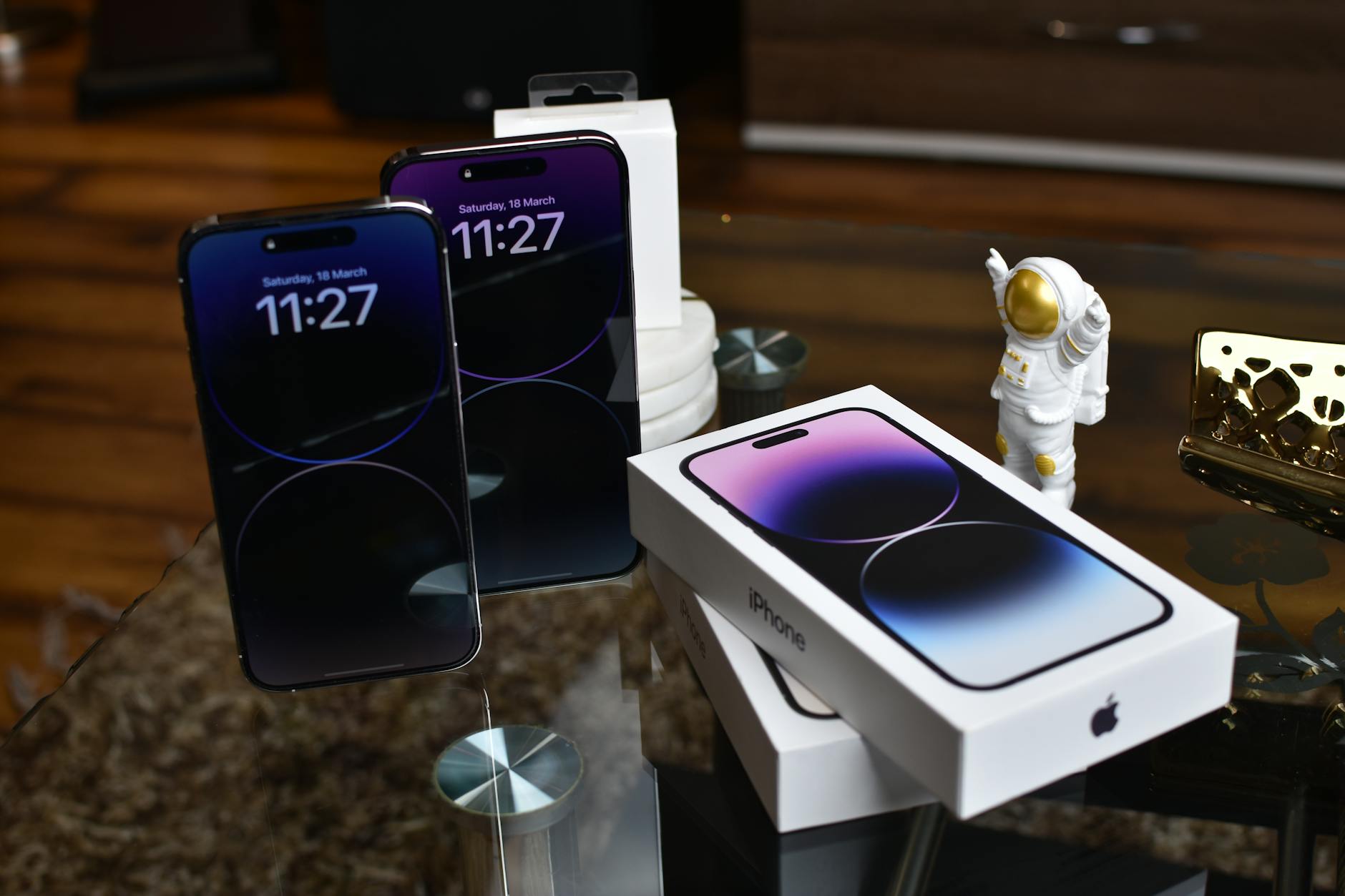
The iPhone Air Controversy
The latest iPhone Air has been making waves on social media due to its new Light Gold color, which some fans have taken to calling "not gold enough." But what's behind this controversy, and why are Apple enthusiasts so divided on the topic? According to TechRadar reports, the new color was intended to evoke a sense of sophistication and elegance, but some fans feel it falls short.
One of the main complaints is that the Light Gold color doesn't live up to the expectations set by previous iPhone models, particularly the iPhone 8 and iPhone X. These devices featured a more vibrant, richer gold color that many fans have come to associate with the brand. By comparison, the new Light Gold color seems more subdued and lacks the same level of sheen.
Another issue at play is the perceived lack of consistency in Apple's color offerings. With the introduction of the new Light Gold color, some fans feel that the brand has moved away from its traditional gold aesthetic, which has been a staple of the iPhone lineup for years. This shift has left some enthusiasts feeling confused and uncertain about the direction of the brand's design.
Why This Matters
The controversy surrounding the iPhone Air's Light Gold color is more than just a trivial design debate. It speaks to a larger issue of brand identity and consistency. As industry analysts note, the iPhone is more than just a device – it's a status symbol that represents a certain level of style and sophistication. When Apple deviates from its traditional design language, it can have a ripple effect on the brand's overall image and reputation.
The iPhone Air controversy also highlights the importance of engaging with customers and listening to their feedback. By failing to deliver on the expectations set by its previous models, Apple may have inadvertently alienated some of its most loyal fans. This is a clear reminder that even the smallest design decisions can have a significant impact on a brand's overall success.
What It Means for the Industry
The iPhone Air controversy serves as a cautionary tale for other tech companies looking to innovate and push the boundaries of design. It's a reminder that even the smallest design decisions can have a significant impact on a brand's overall image and reputation. By prioritizing consistency and engaging with customers, brands can avoid the pitfalls of confusing design choices and maintain a strong sense of identity.
The controversy also highlights the importance of embracing feedback and criticism. By listening to its customers and addressing their concerns, Apple can build trust and loyalty with its fan base. This is especially important in an industry where brands are constantly competing for attention and market share.
What's Next
As the tech industry continues to evolve and innovate, it's likely that we'll see more devices that push the boundaries of design. But what does the future hold for Apple? According to the full announcement from ABI Research, the shift towards AI-driven design is only just beginning. As AI technology continues to improve, we can expect to see even more sophisticated and personalized design options.
This raises an interesting question: what does the future of iPhone design look like? Will Apple continue to push the boundaries of design, or will it return to its traditional roots? Only time will tell, but one thing is certain – the iPhone Air controversy has sparked a much-needed conversation about the importance of design and consistency in the tech industry.
Conclusion
The iPhone Air controversy may seem like a trivial design debate on the surface, but it speaks to a larger issue of brand identity and consistency. By prioritizing engagement and feedback, Apple can build trust and loyalty with its fan base and maintain a strong sense of identity. As the tech industry continues to evolve and innovate, it's likely that we'll see more devices that push the boundaries of design. But what does the future hold for Apple? Only time will tell.
Related Developments
As the tech industry continues to evolve, we're seeing a significant shift towards AI-driven design. According to Software Defined Security Market Projected to Hit USD 55.74 Billion by 2034, Growing at a 14.98% CAGR, AI technology is being used to create more sophisticated and personalized design options. This raises an interesting question: what does the future of iPhone design look like, and how will AI technology shape the direction of the brand's design language?


