
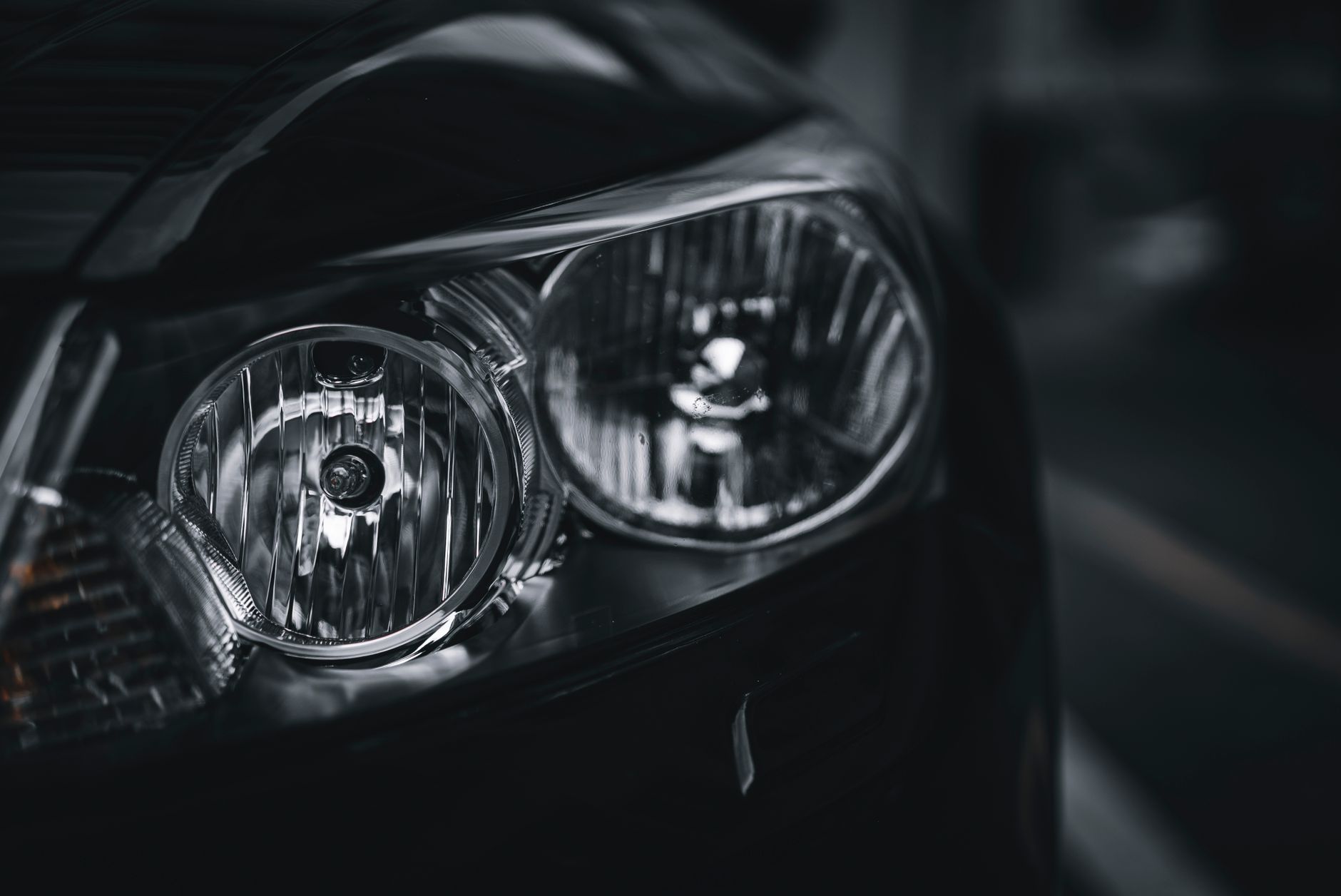
Imagine cruising down a highway at night, the road bathed in crisp, adaptive light that not only illuminates your path but also communicates with surrounding traffic. That vision is quickly becoming the norm, thanks to a booming automotive lighting market that’s set to surge well beyond $45 billion in the next decade. This isn’t just a numbers game; it’s a transformation that touches every driver, manufacturer, and tech innovator on the road.
What's Going On
According to Automotive Lighting Market to Grow from a recent MarketsandMarkets report, the sector will climb from USD 31.27 billion in 2026 to USD 45.87 billion by 2033, reflecting a healthy 5.6% compound annual growth rate. The report cites a confluence of factors—ranging from stricter safety legislation and the rapid rollout of electric vehicles (EVs) to the relentless march of LED and laser technologies—that are reshaping how light is engineered, manufactured, and integrated into modern cars.
One of the most palpable shifts is the migration from traditional halogen and incandescent bulbs to high‑efficiency LEDs. LEDs not only consume a fraction of the power but also offer unparalleled design flexibility, allowing automakers to craft signature lighting signatures that double as brand identity. Meanwhile, laser‑based headlights, once a niche luxury feature, are trickling down to mid‑range models as costs fall and production scales up.
Geographically, Asia‑Pacific continues to dominate the market share, propelled by China’s massive vehicle production volumes and India’s accelerating automotive sector. North America and Europe, however, are leading in the adoption of advanced lighting systems, driven by stringent safety standards such as the European ECE regulations and the U.S. Federal Motor Vehicle Safety Standards (FMVSS). The interplay of regional policies and consumer expectations is creating a patchwork of opportunities for lighting component suppliers.
Why This Matters
Beyond the headline numbers, the lighting boom has ripple effects across the entire automotive supply chain. US automakers urge Congress to ban sale of certain foreign‑made vehicles highlights the geopolitical sensitivities that can influence component sourcing, especially as lighting modules become more sophisticated and software‑driven.
From a safety perspective, adaptive front‑lighting systems (AFS) that swivel with steering input or adjust intensity based on oncoming traffic are reducing nighttime accidents. Studies from traffic safety institutes show a measurable decline in collision rates where such systems are standard. For insurers, that translates to lower claim payouts; for governments, it supports public health goals.
For consumers, the aesthetic payoff is just as compelling. Ambient interior lighting, customizable via smartphone apps, is turning cabins into personalized wellness spaces. This trend dovetails with the broader in‑car experience movement—infotainment, connectivity, and comfort—all of which rely on reliable, low‑heat, low‑power lighting solutions.
What It Means for the Industry
OEMs are now forced to rethink vehicle architecture. Traditional wiring harnesses are giving way to Ethernet‑based networks that can handle the high‑bandwidth data streams required for real‑time lighting control. This shift opens doors for software‑defined lighting, where firmware updates can tweak beam patterns or introduce new visual effects long after a vehicle leaves the showroom.
Suppliers, on the other hand, are racing to secure patents around photon management, thermal dissipation, and optical design. Companies that once specialized in simple bulb manufacturing are diversifying into optics, power electronics, and even AI‑driven predictive lighting algorithms. Strategic partnerships with semiconductor firms are becoming commonplace, as the line between lighting and sensor technology blurs.
Meanwhile, the rise of EVs is amplifying the importance of efficient lighting. Every watt saved on a headlamp contributes to a marginally longer driving range—an advantage that can be a decisive factor for range‑conscious buyers. This has spurred a wave of research into ultra‑thin, high‑lumen LED arrays and graphene‑based heat spreaders, technologies that could redefine the form factor of future headlights.
What Happens Next
The next few years will likely see a convergence of lighting and autonomous driving systems. As vehicles become more capable of self‑navigation, external lighting will serve dual purposes: illumination for human occupants and signaling for machine perception. In that context, Xiaomi Makes IFA Debut with Largest-Ever showcases how consumer electronics giants are eyeing the automotive space, bringing expertise in smart ecosystems that could accelerate this integration.
Regulatory bodies are also expected to tighten requirements around glare, light distribution, and energy consumption. The European Union’s upcoming revision of the ECE R112 standard, for instance, could mandate adaptive lighting as a default safety feature on new vehicle classes, effectively making advanced lighting a legal necessity rather than a premium option.
Finally, the industry will keep an eye on the innovations highlighted at global tech expos. The insights from IFA 2026 'Best in Show' awards: our 25 f hint at cross‑disciplinary breakthroughs—think modular solar panels that could one day supplement a car’s lighting system directly from ambient light.
In sum, the automotive lighting market is more than a brightening trend; it’s a catalyst for safety, efficiency, and brand differentiation. As the sector races toward the $45 billion milestone, every stakeholder—from component makers to end‑users—will feel the glow of this transformative wave.


