
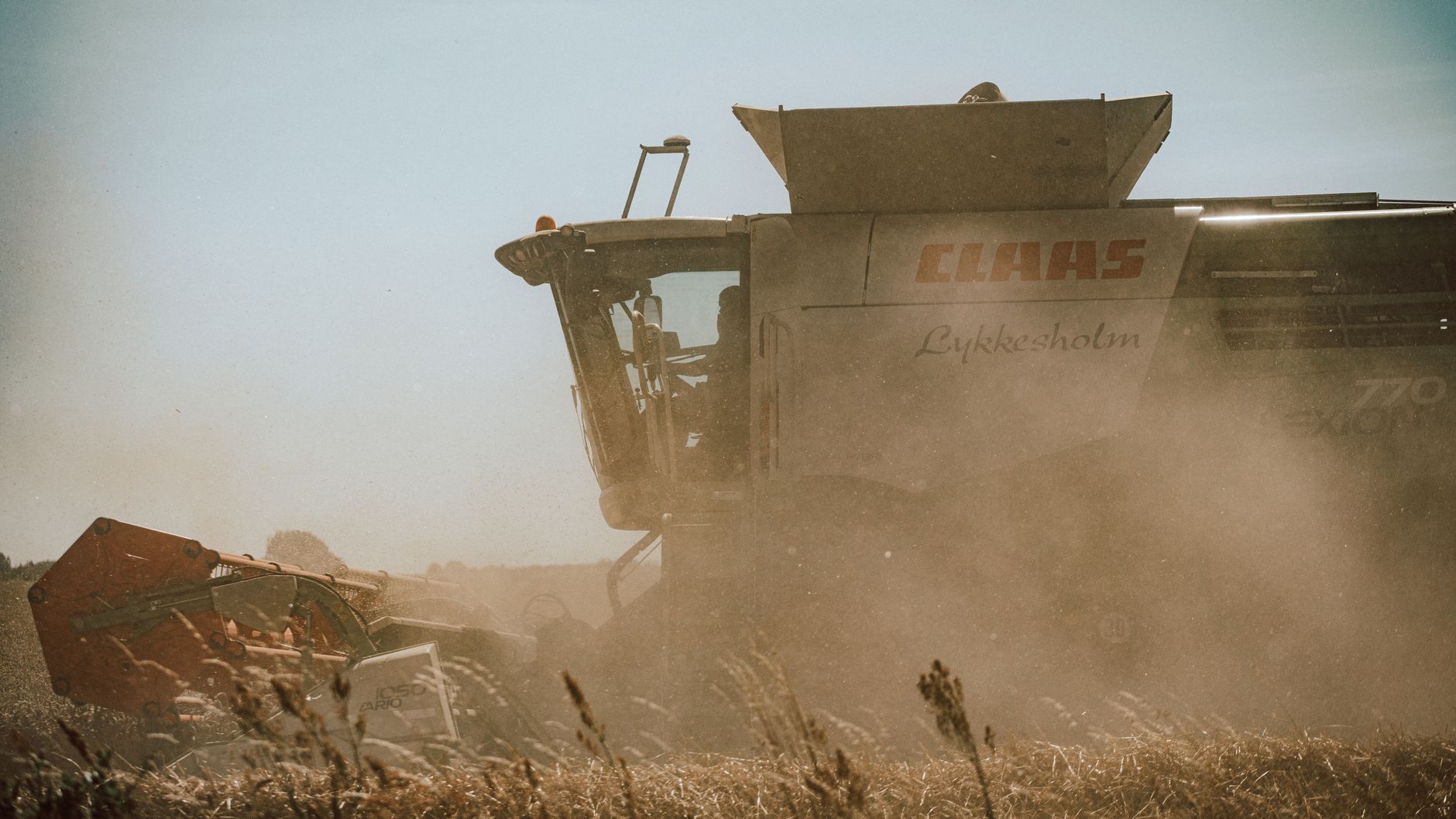
Imagine a sunrise over the paddocks, the low hum of a tractor that never coughs up black smoke, and a farm that runs on a fuel you can store in a tank the size of a water barrel. That’s not a sci‑fi fantasy any longer; it’s the emerging reality of hydrogen‑powered farm machinery. As climate pressures tighten and fuel costs swing like a pendulum, growers are looking beyond diesel to a cleaner, more efficient source of horsepower. In this deep dive, we’ll explore why hydrogen is revving up the agricultural sector, what it means for equipment manufacturers, and how it could reshape the daily grind on farms across the globe.
What's Going On
In a bold move that signals a shift in the heavy‑equipment landscape, JCB has announced a roadmap for hydrogen‑fuelled tractors slated for the 2030s. The company’s vision was first detailed in a report by North Queensland Register, which highlighted JCB’s commitment to developing zero‑emission machines that can match the torque and durability of traditional diesel units.
The announcement comes at a time when governments worldwide are tightening emissions standards for agricultural operations. Australia, with its vast outback and intensive livestock sectors, has been particularly vocal about reducing the carbon footprint of its farms. Hydrogen, produced via electrolysis using renewable electricity, offers a pathway to decarbonise the most energy‑intensive tasks—ploughing, hauling, and harvesting—without sacrificing the raw power that farmers demand.
Technically, hydrogen fuel‑cell tractors convert stored hydrogen into electricity, feeding electric motors that deliver instant torque. Unlike battery‑electric solutions, which can be heavy and require long charging times, hydrogen tanks can be refuelled in minutes, mirroring the convenience of diesel. Early prototypes are already demonstrating comparable fuel‑efficiency figures, and the modular nature of fuel‑cell stacks means that power output can be scaled up or down to suit everything from compact vineyard sprayers to massive 300‑horsepower row‑crop machines.
Why This Matters
The ripple effects of a hydrogen transition extend far beyond the field. According to The Land, the agricultural sector accounts for roughly 10 % of global greenhouse‑gas emissions, with diesel combustion being a major contributor. By swapping diesel for hydrogen, farms can cut CO₂ output dramatically, helping meet national net‑zero targets while also future‑proofing operations against potential carbon taxes.
From a cost perspective, the economics are beginning to look favourable. While the upfront price of a hydrogen‑fuelled tractor is higher than its diesel counterpart, the total cost of ownership can be lower over the machine’s lifespan. Hydrogen fuel costs are projected to stabilise as renewable electricity becomes cheaper, and the reduced wear on engines—thanks to fewer moving parts—means lower maintenance bills. Moreover, the ability to refuel quickly reduces downtime, translating directly into higher productivity during peak seasons.
Farmers, agribusinesses, and equipment dealers are all stakeholders in this shift. For growers, the promise of cleaner operations aligns with consumer demand for sustainably produced food. For manufacturers, early entry into the hydrogen market could secure a competitive edge as legacy diesel players scramble to adapt. And for rural communities, the development of local hydrogen production hubs could spur new jobs and infrastructure investment, revitalising areas that have seen declining populations.
What It Means for the Industry
Equipment makers are now faced with a strategic crossroads: double down on diesel refinements, pivot to battery‑electric platforms, or embrace hydrogen as a long‑term solution. JCB’s roadmap suggests a hybrid approach, where fuel‑cell technology coexists with conventional engines during a transition period. This mirrors the automotive sector, where manufacturers are offering both plug‑in hybrids and pure electric models to cater to varied market readiness.
One of the biggest challenges—and opportunities—lies in the supply chain for hydrogen. Unlike diesel, which is delivered via an extensive network of bulk terminals, hydrogen requires specialised storage and refuelling stations. Companies are beginning to partner with energy firms to establish on‑farm electrolyzers, enabling growers to produce hydrogen on site using solar or wind power. This decentralised model reduces reliance on third‑party fuel distributors and aligns with the growing trend of farm‑level energy autonomy.
From a regulatory standpoint, safety standards for hydrogen handling are being harmonised across regions. The International Organization for Standardization (ISO) has released guidelines that address storage pressure, leak detection, and emergency response. Adoption of these standards will be crucial for gaining farmer confidence, as any perception of risk could slow adoption rates.
Financial institutions are also taking note. Green financing instruments, such as sustainability‑linked loans, are beginning to incorporate hydrogen‑ready equipment as eligible assets. This could lower the barrier to entry for smaller farms that might otherwise be unable to afford the premium price tag of early‑stage hydrogen tractors.
Lastly, the data ecosystem surrounding hydrogen machinery is set to evolve. Integrated telematics will monitor fuel‑cell health, hydrogen consumption, and performance metrics in real time, feeding into farm management software. This data-driven approach will empower growers to optimise field operations, predict maintenance needs, and even participate in demand‑response programs that reward excess hydrogen production back to the grid.
What Happens Next
The road ahead is both exciting and demanding. The full announcement of JCB’s hydrogen strategy, as detailed in Farm Weekly, outlines a phased rollout: pilot trials on Australian farms by 2027, followed by commercial availability in the early 2030s. These pilots will test everything from fuel‑cell durability under harsh dust conditions to the logistics of on‑farm hydrogen generation.
In parallel, industry bodies such as the Australian Farm Machinery Association are convening working groups to develop best‑practice guidelines for hydrogen adoption. Expect to see collaborative research projects funded by government grants, focusing on topics like low‑temperature fuel‑cell performance and the integration of hydrogen with existing farm energy systems.
For growers watching this space, the immediate takeaway is to start planning for a hydrogen‑ready future. This could involve assessing current fuel consumption patterns, exploring partnerships with renewable energy providers, and staying informed about emerging incentives for low‑emission equipment. Early adopters who engage with pilot programs will not only gain a competitive edge but also shape the technology to better suit real‑world farming conditions.
In summary, hydrogen horsepower is poised to rewrite the rulebook for farm machinery. By delivering clean, quick‑refuelled power without compromising on strength, it offers a compelling alternative to diesel that aligns with environmental goals, economic realities, and the evolving expectations of consumers and regulators alike. As the technology matures and the supporting infrastructure expands, the hum of a hydrogen‑fuelled tractor may soon become as familiar as the rumble of a diesel engine—only greener, quieter, and more future‑proof.


