
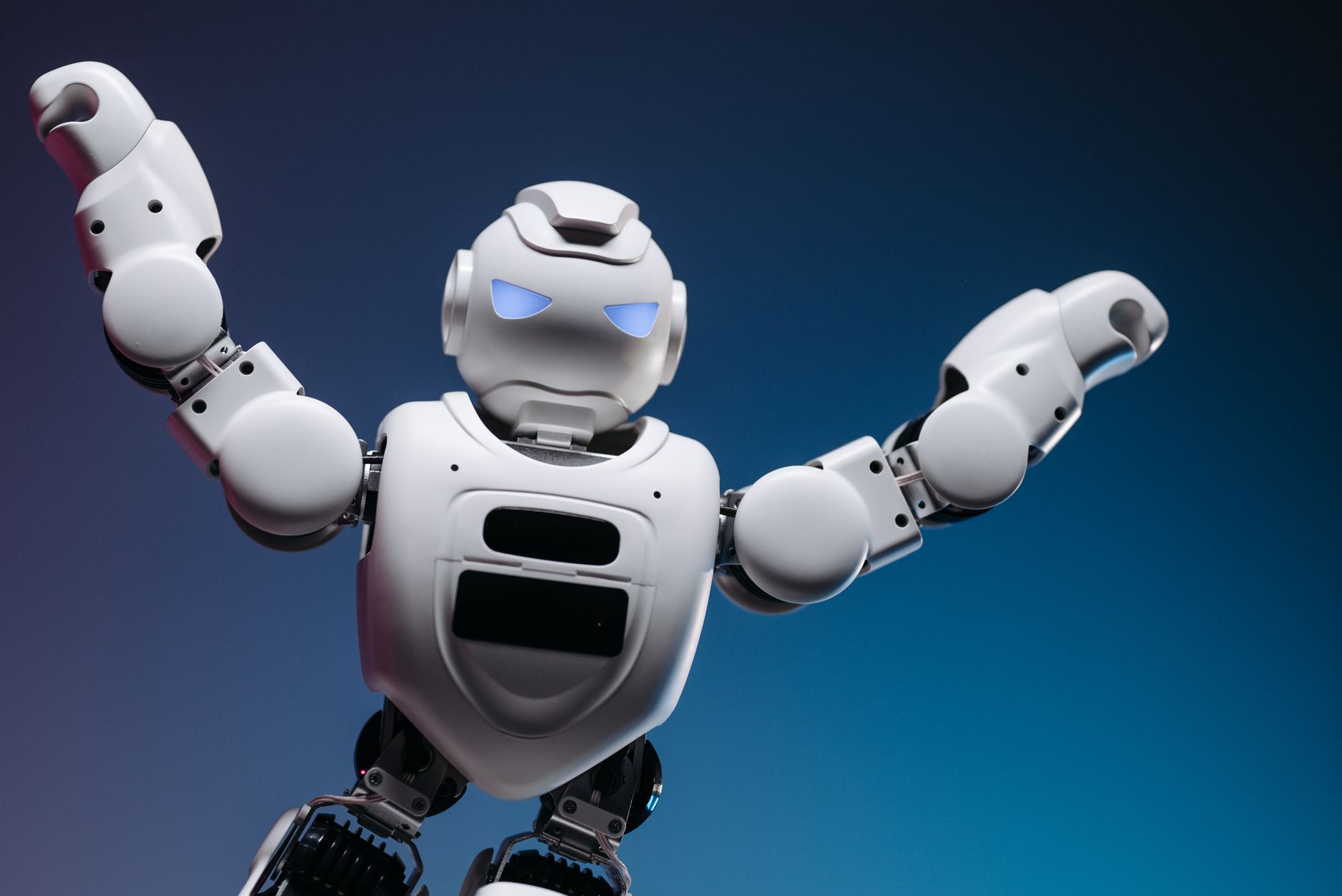
The streets of Bengaluru, India's silicon valley, are known for their vibrant marketplaces and street food. However, a recent development in the city's tech landscape has left many market vendors wondering about their future - they are being hired to train AI robots that could potentially replace them.
What's Going On
According to The News Minute, Bengaluru-based startup, Grey Orange, has begun hiring market vendors to train and deploy AI-powered robots in the city's markets. The robots are designed to perform tasks such as sorting and packaging goods, freeing up human vendors to focus on more complex tasks.
The move has sparked concerns about job displacement in the city's market sector. Many vendors are worried about their livelihoods and are unsure about the implications of this new development.
Grey Orange's initiative is part of a larger trend in the use of AI and robotics in Indian markets. The company's CEO, Akash Gupta, has stated that the goal is to improve efficiency and reduce costs, while also creating new job opportunities in the tech sector.
Why This Matters
The impact of AI and robotics on employment is a pressing concern globally. According to industry analysts, the widespread adoption of automation and AI could lead to significant job displacement in sectors such as retail and manufacturing.
The Bengaluru market vendors' situation is a microcosm of this larger issue. While the use of AI and robotics may improve efficiency and reduce costs, it also raises questions about the future of work in India's tech capital.
The Indian government has taken steps to mitigate the impact of AI on employment, including the launch of initiatives such as the 'Skill India' program. However, the challenge of adapting to a rapidly changing job market remains significant.
What It Means for the Industry
The use of AI and robotics in Indian markets is a strategic move to improve efficiency and reduce costs. However, it also raises questions about the future of work in the sector.
The Bengaluru market vendors' situation highlights the need for companies to consider the social implications of their technological advancements. As the use of AI and robotics becomes more widespread, companies must balance the need for efficiency and cost savings with the need to protect the livelihoods of their employees.
The Indian government and industry must work together to address the challenges posed by AI and robotics. This includes investing in education and training programs that prepare workers for the changing job market, as well as implementing policies that mitigate the impact of job displacement.
What Happens Next
The future of work in Bengaluru's markets is uncertain. As AI and robotics become more prevalent, it is likely that many vendors will be displaced. However, the city's tech sector is also creating new job opportunities in areas such as AI development and deployment.
According to a recent announcement from the Canadian and Irish governments, the two countries are collaborating on a project to develop AI-powered solutions for food security. This project has the potential to create new job opportunities in the sector and mitigate the impact of AI on employment.
The development of AI-powered solutions for social good is a key area of focus for many governments and companies around the world. By investing in education and training programs, as well as implementing policies that mitigate the impact of job displacement, we can ensure that the benefits of AI and robotics are shared by all.
The use of AI and robotics in Indian markets is a complex issue that requires a nuanced approach. While it has the potential to improve efficiency and reduce costs, it also raises questions about the future of work in the sector. As we move forward, it is essential that we prioritize the well-being of workers and the communities they serve.
The future of work in Bengaluru's markets is uncertain, but one thing is clear - the use of AI and robotics is here to stay. As we navigate this new landscape, it is essential that we prioritize the well-being of workers and the communities they serve.
Bezos' $12 billion investment in AI research is a significant development in the field. According to WebProNews, Bezos is betting on AI's ability to design and optimize the physical world. This has significant implications for industries such as construction and manufacturing.
The use of AI in these sectors has the potential to improve efficiency and reduce costs. However, it also raises questions about the future of work in these industries. As we move forward, it is essential that we prioritize the well-being of workers and the communities they serve.


