
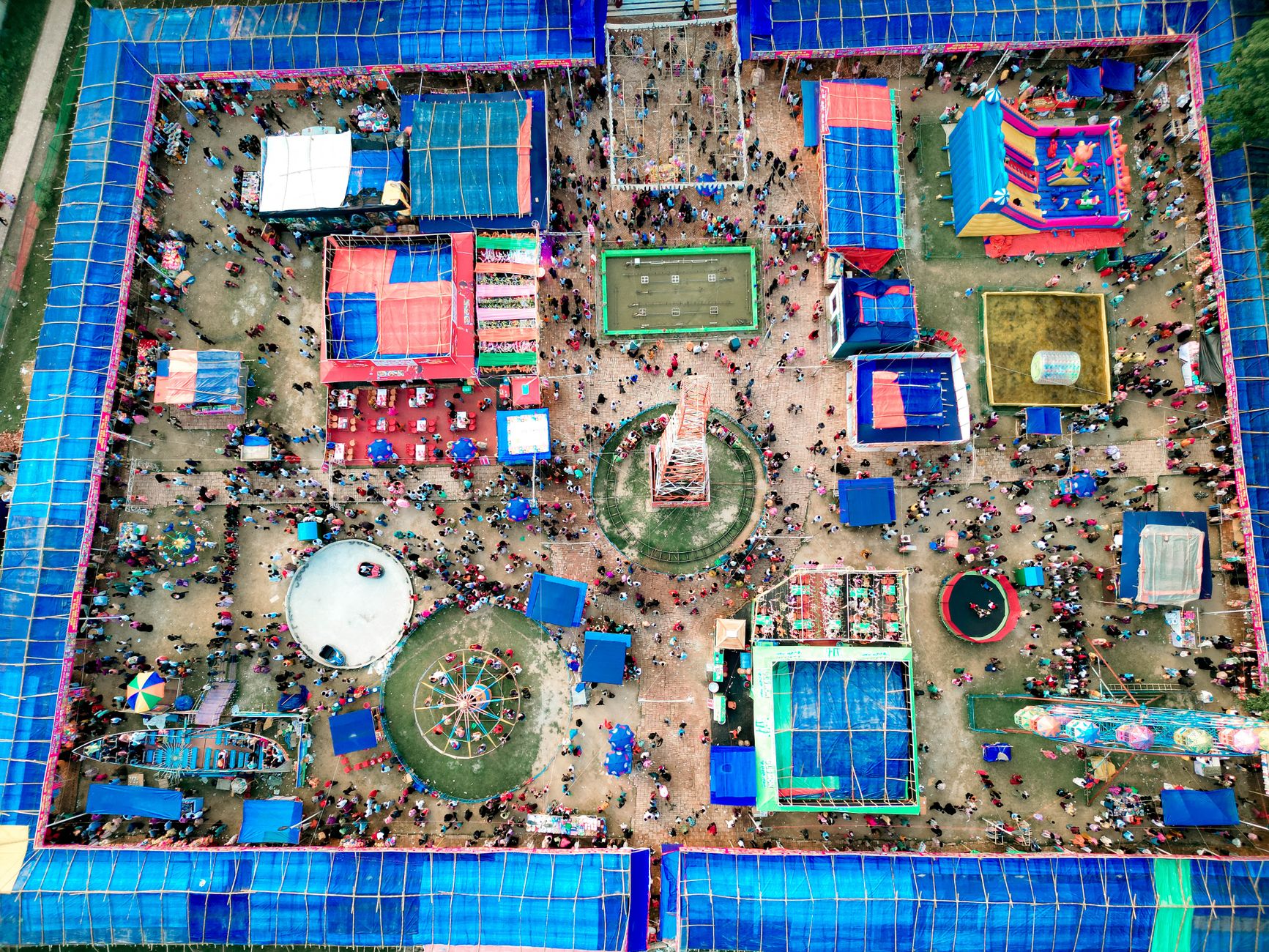
Imagine a bustling hall where the hum of drones blends with the chatter of venture capitalists, where a student’s prototype robot shares the stage with a multinational AI platform. That’s the vibe in Dhaka this week as the 2026 Bangladesh Innovation Fair throws open its doors for three days of relentless creativity, collaboration, and competition.
What's Going On
The fair, organized by the Ministry of Science and Technology in partnership with local universities and industry bodies, aims to put Bangladesh on the global innovation map. According to the official announcement, more than 300 startups, research labs, and tech firms will exhibit across five thematic zones ranging from agritech to fintech. The event also hosts a series of pitch competitions, hackathons, and panel discussions designed to connect home‑grown talent with regional investors.
What sets this edition apart is the scale of international participation. Delegates from India, Singapore, and the United Arab Emirates are joining the lineup, reflecting a growing appetite for South Asian tech ecosystems. The fair’s opening ceremony featured a keynote by the country's ICT minister, who highlighted Bangladesh’s ambition to become a “digital hub of the Bay of Bengal.”
For a deeper dive into the fair’s schedule and featured exhibitors, you can check out the 3-day Bangladesh Innovation Fair 2026 be article, which outlines everything from the AI showcase to the sustainable energy pavilion.
Why This Matters
Bangladesh has long been celebrated for its garment industry, but the country is now pivoting toward knowledge‑based sectors. Industry experts argue that the fair serves as a catalyst for that transition, providing a platform where emerging technologies can attract the capital and mentorship they need to scale. In particular, the presence of seasoned mentors like Nitin Agarwal, who has guided multiple successful tech ventures across South Asia, underscores the seriousness of the event.
Beyond individual startups, the fair signals a broader policy shift. The government’s “Digital Bangladesh” roadmap, launched in 2009, now includes explicit targets for AI adoption, renewable energy tech, and smart city initiatives. By congregating innovators, investors, and policymakers under one roof, the fair helps align these objectives with market realities, accelerating the feedback loop between regulation and innovation.
Stakeholders ranging from university researchers to multinational corporations stand to benefit. Local universities gain exposure for their research labs, while global firms can scout for cost‑effective development partners. Meanwhile, the Bangladeshi workforce—already one of the youngest in the world—gets a front‑row seat to the future of work, inspiring the next generation of engineers and entrepreneurs.
What It Means for the Industry
From an industry perspective, the fair is a bellwether for several emerging trends. First, AI and machine learning are moving from academic labs into commercial products at an unprecedented pace. Startups showcasing AI‑driven supply‑chain optimization tools are already in talks with major logistics firms, hinting at a near‑term boost in operational efficiency for traditional sectors.
Second, fintech solutions are gaining traction, especially those that address financial inclusion for Bangladesh’s vast unbanked population. Mobile payment platforms demonstrated at the fair are integrating biometric authentication, a move that could reduce fraud and expand access to credit.
Third, the event highlights a growing appetite for sustainable tech. Green energy startups are presenting low‑cost solar inverters and waste‑to‑energy converters, aligning with Bangladesh’s commitment to increase renewable energy capacity to 20% by 2030.
Even as these opportunities unfold, challenges remain. Scaling from prototype to mass production requires robust supply chains, which are still developing in the region. Moreover, intellectual property protection is an area where many local innovators feel vulnerable. The fair’s legal workshops, featuring experts on IP strategy, aim to address these gaps.
One illustrative case is a startup that secured a partnership with a major European agritech firm after a live demo at the fair. Their AI‑powered crop‑health monitoring system, built on low‑cost sensors, promises to increase yields for smallholder farmers—a critical need for Bangladesh’s food security.
Another notable development is the presence of a consortium of banks and payment processors exploring a unified digital ledger for cross‑border transactions. Their vision aligns with global trends toward decentralized finance and could position Bangladesh as a regional hub for fintech interoperability.
These narratives echo broader global shifts, where emerging markets are no longer just consumers of technology but also creators. The fair’s success reinforces the idea that innovation ecosystems can thrive outside traditional Silicon Valley‑type hubs when supported by strategic policy, talent, and market demand.
What Happens Next
Looking ahead, the fair’s organizers have outlined a roadmap to sustain momentum beyond the three‑day showcase. The next phase includes a series of accelerator programs, seed‑funding rounds, and a dedicated “Innovation Lab” that will provide shared workspace and mentorship for promising ventures. The official statement also mentioned plans to host a biennial “Bangladesh Tech Summit,” which will rotate between Dhaka and other major cities to decentralize innovation.
In addition, the fair has sparked conversations about regional collaboration on AI ethics and data governance. A joint task force, involving representatives from Bangladesh, India, and Singapore, is slated to draft a set of guidelines that balance innovation with privacy—a critical step as AI solutions become more pervasive.
For a glimpse of how similar collaborations are shaping the financial sector, see the recent partnership between Axis Bank and Hitachi Payment Services, detailed in the Axis Bank and Hitachi Payment Services u article, which showcases AI‑driven banking solutions that could inspire Bangladeshi fintech players.
Meanwhile, venture capital interest is already translating into concrete deals. A notable example is a $5 million Series A round led by a Singaporean fund for a Dhaka‑based AI health‑tech startup. This infusion not only validates the fair’s role as a deal‑making arena but also signals confidence in Bangladesh’s ability to nurture high‑growth companies.
Beyond capital, talent pipelines are being reinforced. Universities announced scholarship programs for students who intern with fair participants, ensuring a steady flow of skilled graduates ready to join the tech workforce.
Finally, the fair’s impact will be measured through a set of key performance indicators, including the number of patents filed, jobs created, and cross‑border collaborations initiated. Early estimates suggest the event could generate over 1,000 new jobs and catalyze at least 50 strategic partnerships within the next year.
As the curtains fall on the inaugural day, the buzz in Dhaka is palpable. Entrepreneurs are already planning follow‑up meetings, investors are drafting term sheets, and policymakers are sketching the next phase of the “Digital Bangladesh” vision. If the energy and ambition displayed over these three days are any indication, the Bangladesh Innovation Fair 2026 may well become a cornerstone of South Asia’s tech renaissance.
And while the fair itself is a milestone, the broader narrative is just beginning. As more stories emerge—like the bold career move of a Fortune 500 CFO who recently joined a blockchain‑focused startup, chronicled in the A four-time Fortune 500 CFO makes a huge feature—Bangladesh’s innovation ecosystem is poised to attract talent and capital from across the globe.


