
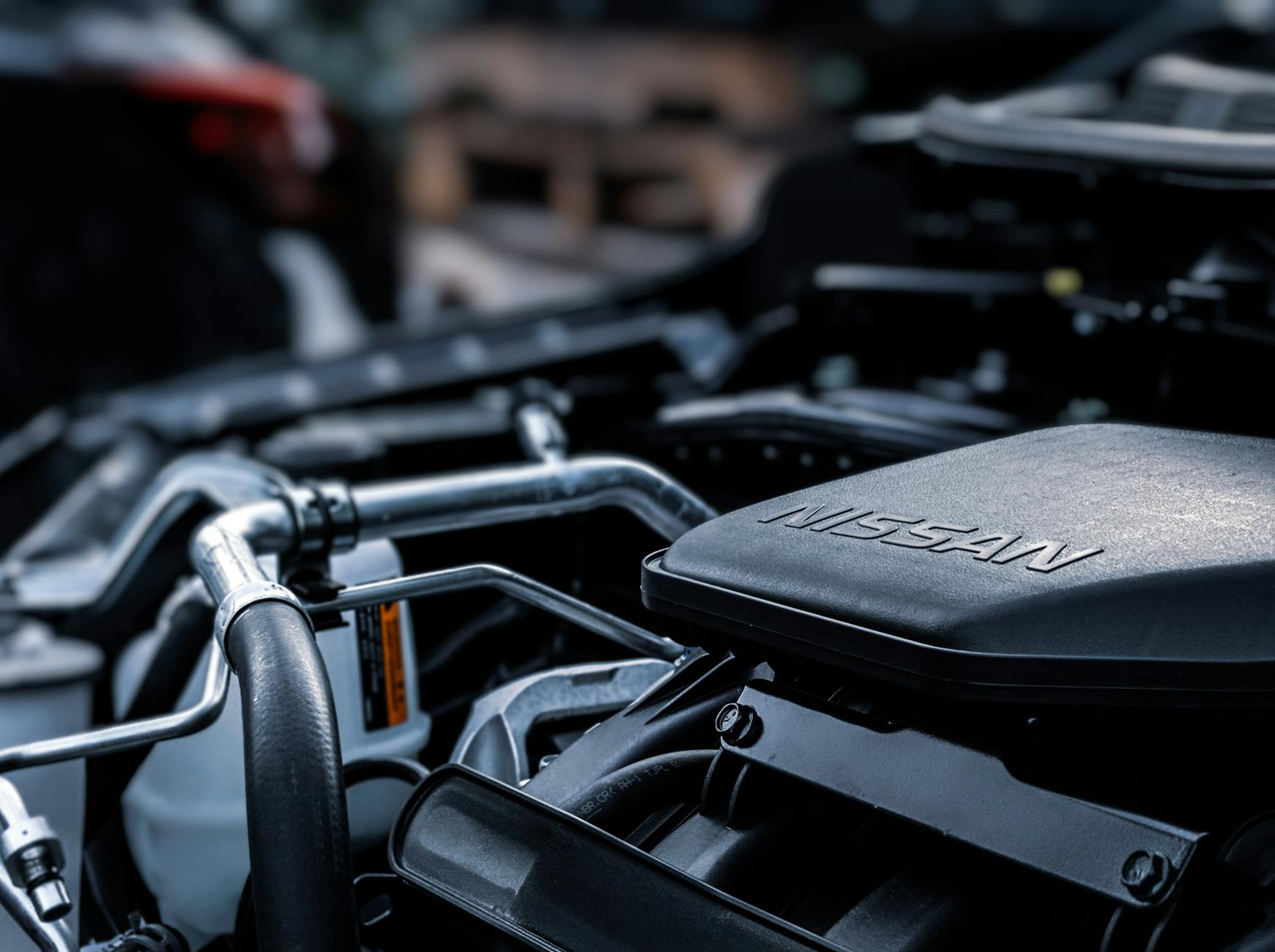
What's Going On
British Columbia has made a significant announcement in the automotive world by lifting its 2035 ban on combustion-engine car sales, according to Driving.ca reports. This move has left many in the industry wondering what it means for the future of electric vehicles and the overall sustainability of the automotive sector.
The ban was initially put in place to encourage the adoption of electric vehicles and reduce greenhouse gas emissions. However, it appears that the province has had a change of heart, at least for now. The decision to lift the ban has been met with a mix of reactions, with some welcoming the move as a sign of flexibility, while others see it as a setback for the transition to electric vehicles.
It's worth noting that the ban was set to take effect in 2035, which gives the industry time to adapt to the changing landscape. However, this move still sends a signal that the province is open to considering other options besides electric vehicles.
Why This Matters
The lifting of the ban on combustion-engine car sales in British Columbia has significant implications for the industry, according to industry analysts. As the world shifts towards more sustainable transportation options, the automotive industry must adapt to meet the changing demands of consumers. This move by British Columbia shows that there is still a place for combustion-engine cars in the market, at least for now.
The bigger picture here is that the automotive industry is at a crossroads. With the rise of electric vehicles, many thought that combustion-engine cars would be a thing of the past. However, this move by British Columbia suggests that there is still a market for these vehicles, at least in certain regions. This has implications for manufacturers who must now consider producing a wider range of vehicles to meet the needs of different consumers.
The ones who will be most affected by this decision are consumers who were planning to purchase electric vehicles. With the ban lifted, they may now have more options to choose from, including combustion-engine cars. This could lead to a shift in consumer behavior, as some may opt for the familiarity and reliability of combustion-engine cars over the newer, more expensive electric vehicles.
What It Means for the Industry
The lifting of the ban on combustion-engine car sales in British Columbia has significant implications for the industry, particularly when it comes to the production of electric vehicles. With the ban lifted, manufacturers may feel less pressure to produce electric vehicles, which could slow down the transition to more sustainable transportation options. This could have long-term implications for the environment, as combustion-engine cars continue to contribute to greenhouse gas emissions.
The implications of this decision are not limited to the automotive industry. It also has implications for the energy sector, as the demand for fossil fuels may increase with the production of more combustion-engine cars. This could lead to an increase in greenhouse gas emissions, which would be counterproductive to the efforts of reducing emissions.
The strategic impact of this decision is also significant. With the ban lifted, manufacturers may need to reassess their investment in electric vehicle production. This could lead to a shift in resources, as companies focus on producing more combustion-engine cars to meet the demand in certain regions. This could have a ripple effect throughout the supply chain, as companies adjust to the changing market demands.
What Happens Next
The outlook for the industry is uncertain, as the lifting of the ban on combustion-engine car sales in British Columbia sends mixed signals. According to the latest data from Mercom India, electric vehicle sales clocked a 35% year-over-year growth in Q1 2026. This suggests that the demand for electric vehicles is still strong, and manufacturers must continue to invest in this area to meet the changing demands of consumers.
However, the lifting of the ban on combustion-engine car sales also suggests that there is still a place for these vehicles in the market. This means that manufacturers must continue to produce a range of vehicles to meet the needs of different consumers. This could lead to a shift in consumer behavior, as some may opt for the familiarity and reliability of combustion-engine cars over the newer, more expensive electric vehicles.
The final thoughts on this decision are that it is a sign of the times. The automotive industry is at a crossroads, and manufacturers must adapt to meet the changing demands of consumers. While the lifting of the ban on combustion-engine car sales may seem like a setback for the transition to electric vehicles, it also presents an opportunity for manufacturers to innovate and produce more sustainable transportation options.
As the industry continues to evolve, it will be interesting to see how manufacturers respond to this decision. Will they continue to invest in electric vehicle production, or will they shift their focus to producing more combustion-engine cars? Only time will tell, but one thing is certain - the automotive industry is at a crossroads, and the decisions made now will shape the future of transportation.
For those looking for affordable options, second-hand Royal Enfield bikes are available in the market, which may be a viable option for those who want to own a bike without breaking the bank.


