
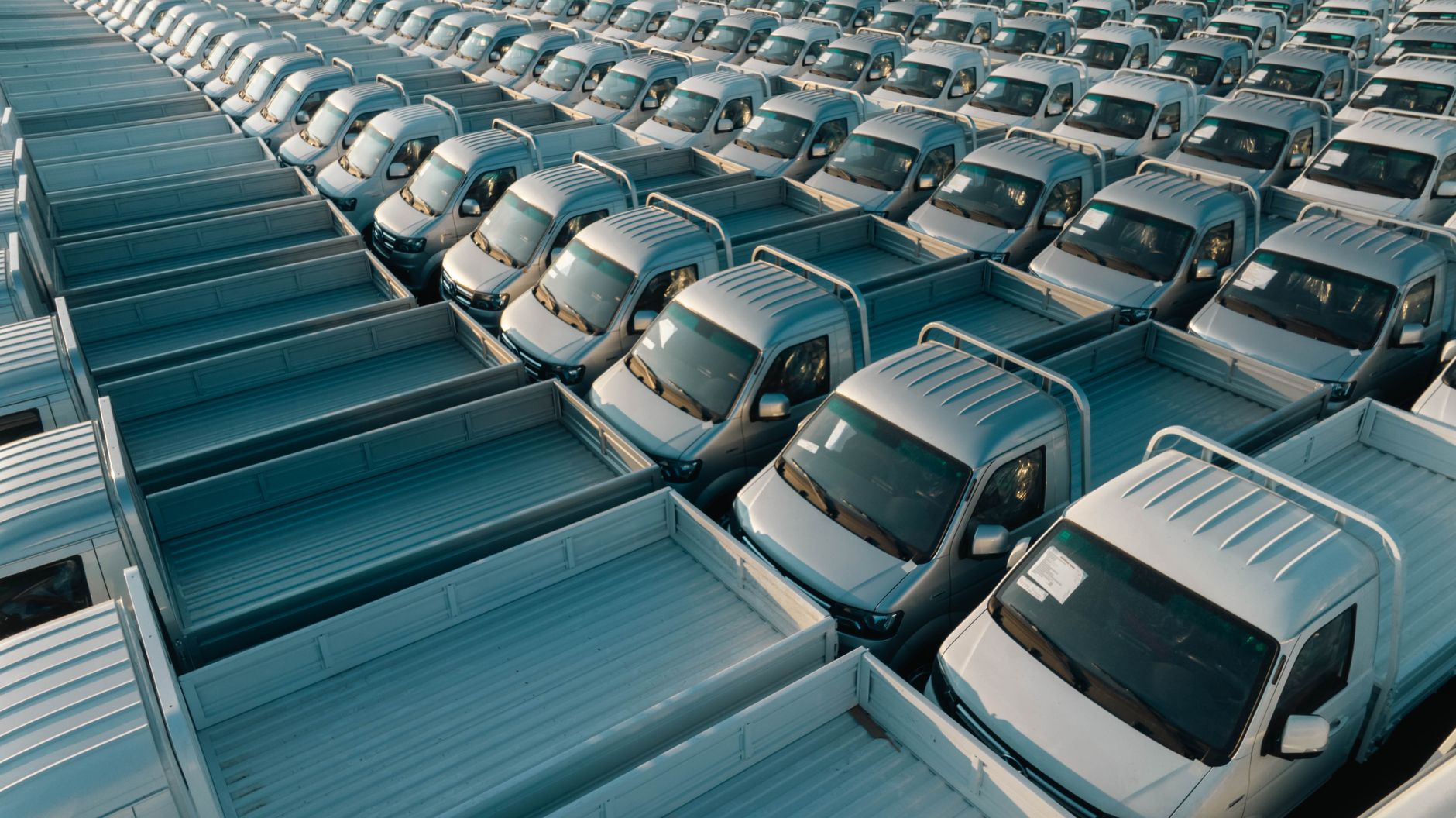
Imagine a bustling cement plant where the rumble of diesel engines is being replaced by the whisper of electric motors. That’s not a futuristic scenario—it’s happening right now in India, as AVG Logistics partners with Dalmia Cement to roll out a fleet of 30 electric trucks. This bold move not only cuts emissions but also reshapes the economics of heavy‑duty transport, proving that sustainability and profitability can travel side by side.
What's Going On
According to Business News | AVG Logistics Deploys 30, the logistics company will operate the electric trucks on Dalmia’s key supply routes, covering roughly 150 kilometers per day with a single charge. The partnership is part of Dalmia’s broader sustainability roadmap, aiming to reduce its carbon footprint by 30% over the next five years. Each truck boasts a payload capacity of 12‑15 tonnes, matching the performance of conventional diesel rigs while delivering up to 80% lower CO₂ emissions per ton‑kilometer.
The rollout is phased, beginning with routes that have reliable charging infrastructure near the plant and major distribution hubs. AVG Logistics has already invested in fast‑charging stations powered by renewable energy, ensuring that downtime stays under 30 minutes during peak operations. This logistical choreography demonstrates how electric freight can be integrated without disrupting the supply chain’s tight schedules.
Beyond the immediate environmental gains, the collaboration is also a testbed for data‑driven fleet management. Sensors on each vehicle monitor battery health, route efficiency, and driver behavior, feeding analytics into a cloud platform that optimizes charging cycles and predicts maintenance needs. The insights gathered will help refine the business case for larger EV fleets across heavy‑industry sectors.
Why This Matters
Industry analysts note that the move aligns with a global shift toward electrified freight, as detailed in Where is the EV Industry Headed Next? Ke. The EV market is no longer dominated solely by passenger cars; commercial vehicles are catching up fast, driven by stricter emissions regulations and rising fuel costs. In India, the government’s Faster Adoption and Manufacturing of Hybrid & Electric Vehicles (FAME) scheme provides subsidies that make large‑scale EV procurement more financially viable.
For the logistics sector, the implications are profound. Diesel fuel accounts for up to 40% of total operating costs for long‑haul trucking. By switching to electricity, companies can lock in lower energy expenses, especially as the grid incorporates more solar and wind power. Moreover, electric trucks deliver quieter operation, reducing noise pollution around industrial zones and residential areas—a social benefit that often goes unnoticed.
The ripple effect extends to manufacturers, battery suppliers, and charging network operators. A successful deployment of 30 trucks validates demand forecasts, encouraging OEMs to scale production of heavy‑duty electric chassis. Battery manufacturers, in turn, receive real‑world performance data that can accelerate improvements in energy density and cycle life. Meanwhile, charging providers gain a credible reference client, helping them secure financing for broader network rollouts.
What It Means for the Industry
From a strategic standpoint, AVG Logistics is positioning itself as a pioneer in green freight, a reputation that can attract eco‑conscious clients and investors alike. The partnership sends a clear signal to competitors: sustainability is becoming a differentiator, not just a compliance checkbox. Companies that hesitate may find themselves at a cost disadvantage as fuel prices fluctuate and carbon pricing mechanisms tighten.
The data ecosystem built around the fleet also opens up new revenue streams. Predictive maintenance alerts can be packaged as a service for other fleet operators, while route‑optimization algorithms can be licensed to third‑party logistics platforms. In essence, the electric truck rollout is not just a fleet upgrade; it’s a platform for digital transformation across the supply chain.
Furthermore, the initiative dovetails with broader national goals. India aims to have 30% of its vehicle stock electrified by 2030. Heavy‑duty trucks have historically lagged behind passenger EVs, so a high‑visibility project like this helps close that gap and demonstrates that large‑scale electrification is achievable even in a market with challenging road conditions and high load demands.
One cannot overlook the geopolitical dimension. As countries vie for leadership in EV technology, India’s success stories bolster its case for attracting foreign investment in battery production and renewable energy. The momentum generated by AVG and Dalmia could inspire policy makers to fast‑track incentives, further accelerating the transition.
Finally, the collaboration underscores the importance of cross‑industry partnerships. Cement manufacturers, logistics firms, energy providers, and technology vendors must align their goals to unlock the full potential of electric freight. The lessons learned here will likely inform future alliances in sectors such as steel, mining, and agriculture.
In the background, global players are watching. The United States, for example, is exploring ways to bring Chinese EV makers into domestic production, a move that could reshape supply chains worldwide Trump open to Chinese EV makers building. While the contexts differ, the underlying theme is clear: electric vehicles are becoming a central pillar of industrial strategy across continents.
What Happens Next
The full announcement highlighted that AVG Logistics plans to double its electric fleet within the next three years, contingent on the rollout of additional charging stations and continued government support. As the pilot phase concludes, the companies will publish a comprehensive performance report, detailing energy savings, emissions reductions, and total cost of ownership metrics. Stakeholders are eager to see how the real‑world data compares to the optimistic models presented in industry forecasts.
Looking ahead, the next logical step is to expand the electric fleet to cover inter‑state routes, which will test the limits of current battery technology and charging speed. Parallel investments in solar‑powered micro‑grids at depot locations could make the trucks truly zero‑emission, even when the grid relies on fossil fuels elsewhere. Such innovations would set a new benchmark for sustainable logistics in emerging markets.
In the meantime, other heavy‑industry players are watching closely. If AVG and Dalmia can demonstrate a clear ROI, we can expect a cascade of similar contracts across the Indian subcontinent, accelerating the nation’s transition to a low‑carbon economy. The road ahead is electrified, and the journey has just begun.


