
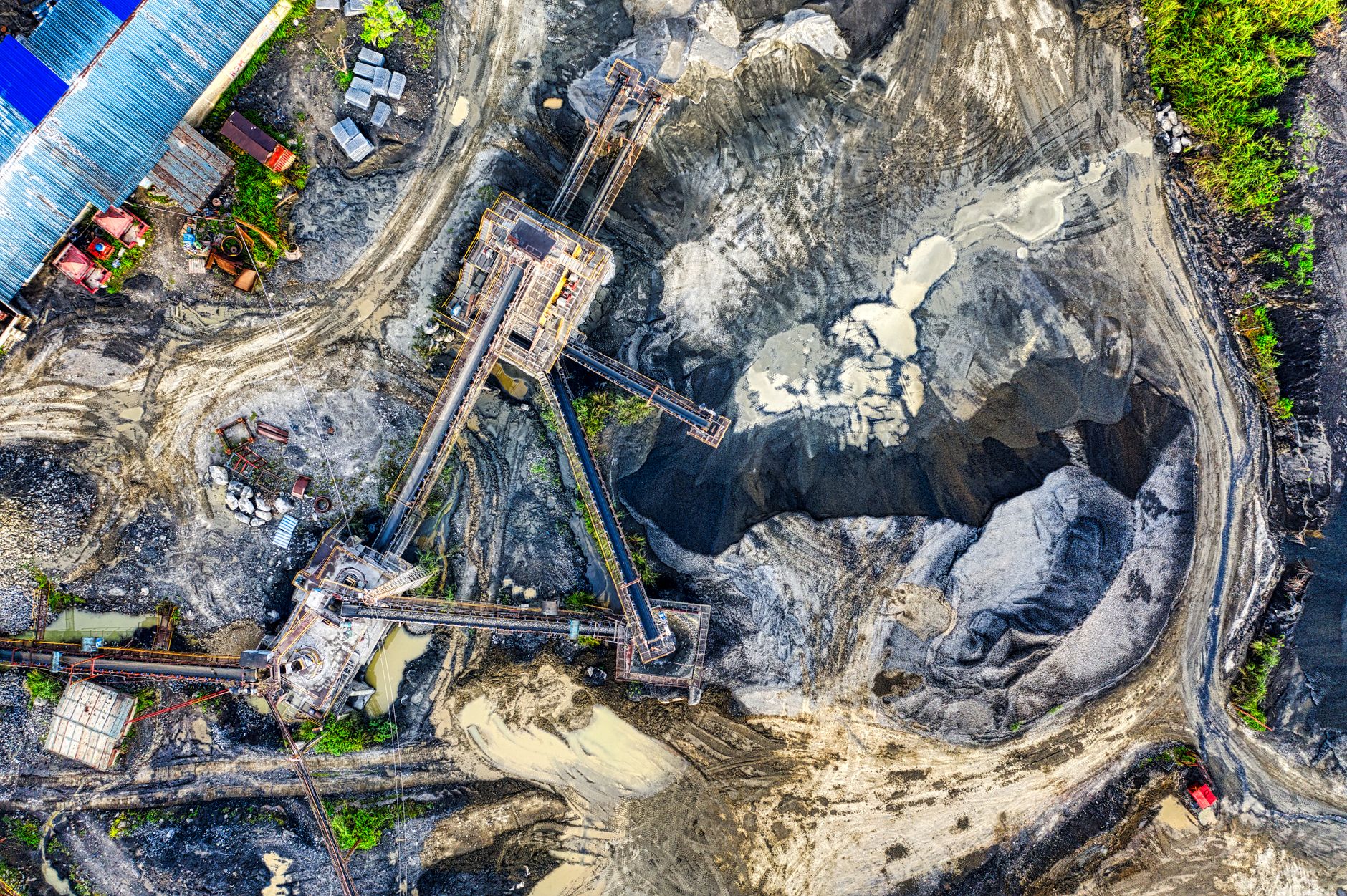
The mining industry has long been a crucial component of global economies, providing essential resources for various sectors. However, it has also been plagued by inefficiencies and high costs. Recent advancements in technology have been making waves in this space, with autonomous mining technology emerging as a hot commodity for the future.
What's Going On
According to Timmins Press, autonomous mining technology has been gaining traction in the industry, with various companies investing heavily in this area. This technology enables machines to operate independently, reducing the need for human intervention and increasing efficiency. Autonomous systems can perform tasks such as drilling, hauling, and loading, making the entire process more streamlined.
The benefits of autonomous mining technology are numerous. For one, it increases productivity by allowing machines to work around the clock without breaks. Additionally, it reduces the risk of accidents and injuries, as human error is minimized. Furthermore, it enables companies to make data-driven decisions, as machines can provide real-time insights into operations.
Some of the key players in the autonomous mining technology space include companies like Komatsu, Caterpillar, and Sandvik. These companies are investing heavily in research and development, working to create more advanced systems that can handle complex tasks. Additionally, startups like Autonomous Systems and Robotics Research (ASRR) are also making significant strides in this area.
Why This Matters
Industry analysts note that the adoption of autonomous mining technology will have a significant impact on the industry as a whole. According to Analytics Insight, the implementation of autonomous systems will require companies to adapt their workforce strategies, ensuring that they have the necessary skills to operate these new technologies. This will involve retraining existing employees and attracting new talent to the industry.
The benefits of autonomous mining technology extend beyond the industry itself, with potential applications in other sectors such as construction and agriculture. For instance, autonomous systems can be used to optimize crop yields and reduce waste in farming. Additionally, autonomous vehicles can be used in construction to improve safety and reduce labor costs.
As the industry continues to evolve, it will be essential for companies to stay ahead of the curve, investing in research and development and adapting their strategies to meet the changing needs of the market.
What It Means for the Industry
The widespread adoption of autonomous mining technology will have significant implications for the industry as a whole. According to Timmins Press, companies that fail to adapt to this new reality risk being left behind, struggling to compete in a market where efficiency and cost savings are paramount.
However, for those companies that do adapt, the benefits will be substantial. Autonomous mining technology will enable them to increase productivity, reduce costs, and improve safety, setting them up for long-term success in a rapidly changing industry.
As the industry continues to evolve, it will be essential for companies to stay focused on innovation, investing in research and development and adapting their strategies to meet the changing needs of the market.
What Happens Next
In a recent announcement, NexusTek highlighted the importance of IT and cybersecurity solutions in the construction industry. This emphasis on technology is a clear indication of the industry's shift towards more efficient and automated processes. As autonomous mining technology continues to gain traction, it will be essential for companies to prioritize innovation and adaptability, staying ahead of the curve in a rapidly changing market.
Furthermore, the increasing adoption of autonomous mining technology will have significant implications for the workforce, with companies needing to adapt their strategies to meet the changing needs of the market. According to Financial Content, the implementation of autonomous systems will require companies to retrain their existing workforce, ensuring that they have the necessary skills to operate these new technologies.
As the industry continues to evolve, it will be essential for companies to stay focused on innovation, investing in research and development and adapting their strategies to meet the changing needs of the market.
Conclusion
Autonomous mining technology has the potential to revolutionize the industry, increasing efficiency and reducing costs. As companies continue to adapt to this new reality, it will be essential for them to prioritize innovation and adaptability, staying ahead of the curve in a rapidly changing market.
The widespread adoption of autonomous mining technology will have significant implications for the industry, with companies that fail to adapt risking being left behind. However, for those companies that do adapt, the benefits will be substantial, enabling them to increase productivity, reduce costs, and improve safety, setting them up for long-term success in a rapidly changing industry.
As the industry continues to evolve, it will be essential for companies to stay focused on innovation, investing in research and development and adapting their strategies to meet the changing needs of the market.


