
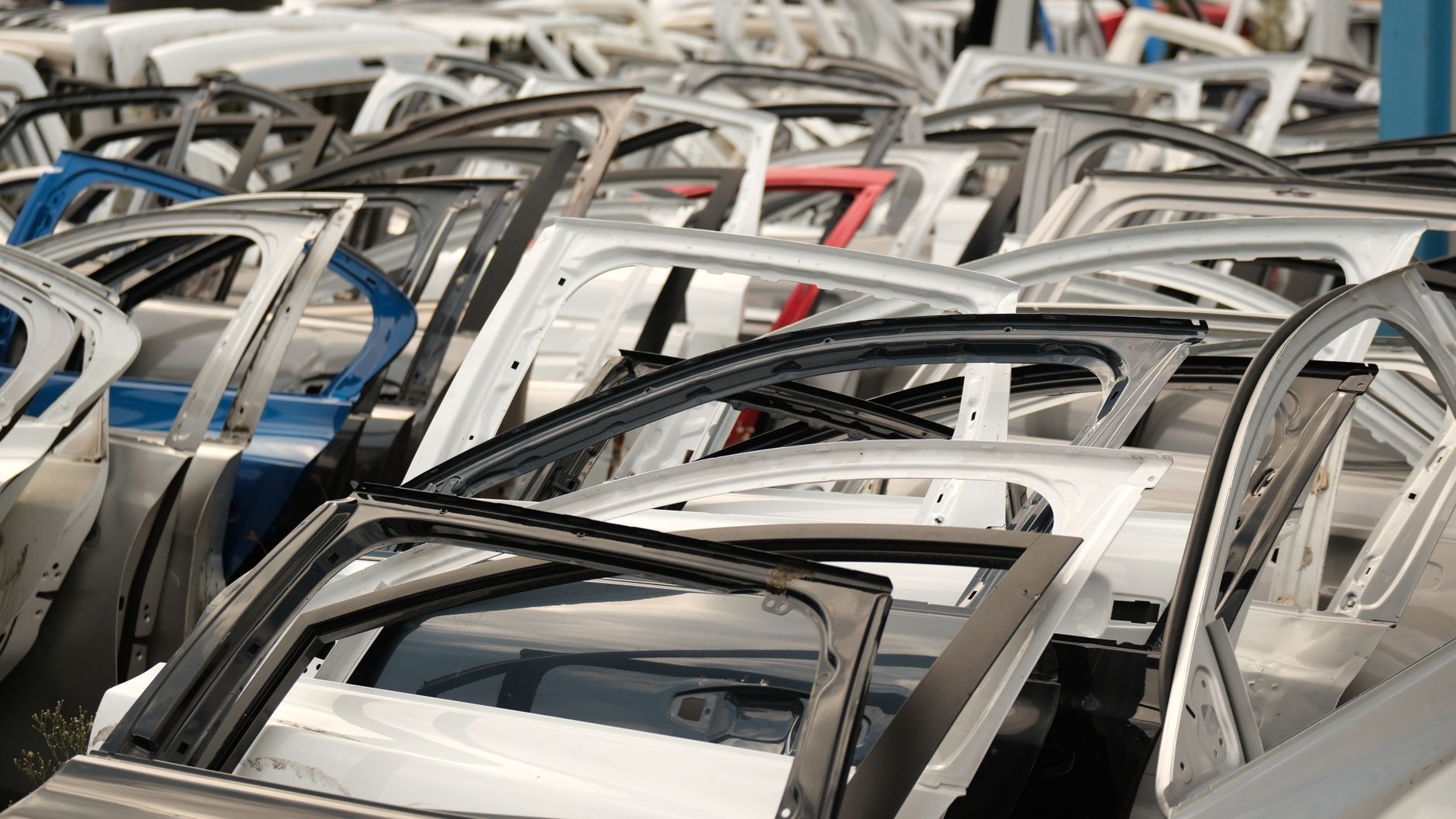
Imagine a world where the sleek aluminum chassis of your next electric vehicle is not only lighter but also cheaper to produce, thanks to advances in die‑casting technology. That future is already on the horizon, and the numbers are staggering: analysts expect the global automotive parts die casting market to soar past $90 billion by 2035. For anyone watching the automotive supply chain, that’s a signal that the metal‑shaping process is about to become a central driver of innovation, cost‑efficiency, and sustainability.
What's Going On
The latest market research shows the automotive parts die casting sector is on a clear upward trajectory, with projections indicating it will reach $91.93 billion by 2035, expanding at a compound annual growth rate of 5.7%. Automotive Parts Die Casting Market to Reach USD 91.93 Billion highlights that this growth is being fueled by a confluence of factors: stricter emissions regulations, the rapid electrification of vehicle fleets, and the relentless push for lighter, stronger components.
Die casting, a process where molten metal is forced under high pressure into steel molds, has long been a workhorse for producing complex, high‑precision parts. Yet, traditional iron‑based alloys are giving way to advanced aluminum and magnesium formulations that shave off kilograms of weight without compromising structural integrity. This shift is especially critical for electric vehicles, where every kilogram saved translates directly into longer range.
Geographically, the market is seeing a redistribution of production hubs. While China remains the dominant player due to its massive manufacturing capacity, regions like Eastern Europe and Southeast Asia are emerging as competitive alternatives, attracted by lower labor costs and favorable trade agreements. Meanwhile, North America is investing heavily in reshoring initiatives, driven by supply‑chain resilience concerns that were amplified during recent global disruptions.
Why This Matters
The ripple effects of this market expansion extend far beyond the foundry floor. Automotive Cockpit Electronics Market to Reach USD 103.2 Billion underscores a parallel surge in high‑tech vehicle interiors, and the two trends are deeply intertwined. Lighter chassis components free up design space and weight budget for sophisticated infotainment systems, advanced driver‑assistance sensors, and even battery packs.
From a strategic standpoint, OEMs that secure reliable die‑casting partners will enjoy faster time‑to‑market for new models. The ability to iterate quickly on component designs—thanks to modern simulation software and rapid tooling—means that manufacturers can respond to consumer demand for custom‑styled, performance‑oriented vehicles without the long lead times that once characterized the industry.
Suppliers, too, stand to gain. Companies that invest in next‑generation casting technologies—such as vacuum‑assisted die casting, which reduces porosity and improves surface finish—will differentiate themselves in a crowded marketplace. Moreover, the push for greener processes, like using recycled aluminum scrap and lower‑temperature melts, aligns with the broader automotive commitment to carbon neutrality.
What It Means for the Industry
Analysts predict that the die‑casting sector will become a decisive battleground for cost leadership and technological edge. Firms that master high‑volume, low‑defect production can negotiate better pricing with OEMs, while those that specialize in niche, ultra‑light components can command premium margins. The competitive landscape will likely see a mix of large, vertically integrated players and agile, boutique foundries carving out specialized niches.
One immediate implication is the acceleration of digital integration across the manufacturing value chain. Advanced data analytics, AI‑driven defect detection, and real‑time process monitoring are moving from experimental labs to the shop floor. These tools not only improve yield but also provide OEMs with transparent quality metrics—a critical factor as automakers tighten tolerances for safety‑critical parts.
Strategically, the rise of die casting dovetails with the broader electrification agenda. Lighter vehicle bodies reduce the overall mass that electric drivetrains must move, directly boosting efficiency and range. In turn, the demand for high‑performance, lightweight parts fuels further investment in R&D, creating a virtuous cycle of innovation.
Financially, the sector’s growth is attracting capital from both traditional private‑equity firms and newer venture funds focused on advanced manufacturing. The influx of funding is expected to spur consolidation, with larger players acquiring niche specialists to broaden their material portfolios and geographic reach.
Lastly, the sector’s expansion is not occurring in isolation. TechMediaBreaks – Rail Vision Ltd. reported a staggering 328% revenue jump in early 2026, illustrating how high‑tech manufacturing firms across transportation are experiencing similar growth spurts. The cross‑industry momentum suggests that breakthroughs in one segment—like rail or aerospace—can quickly cascade into automotive die casting, further amplifying the market’s potential.
What Happens Next
Looking ahead, the convergence of material science, digital manufacturing, and sustainability goals will shape the next decade of die casting. AI Medical Edge Computing System Market research shows how AI is being leveraged to optimize complex processes, and the same principles are being applied to metal casting—predicting melt flow, minimizing defects, and even suggesting design tweaks before a single part is poured.
In practice, we can expect to see more collaborative ecosystems where OEMs, casting suppliers, and software providers co‑develop platforms that integrate CAD, simulation, and real‑time production data. Such ecosystems will reduce the time between concept and production, allowing manufacturers to launch new models faster and respond to shifting consumer preferences—be it a demand for sportier aesthetics or greener footprints.
Regulatory pressures will also keep the industry on its toes. Governments worldwide are tightening standards on emissions and material recyclability. Foundries that can demonstrate low‑carbon footprints, perhaps by harnessing renewable energy or implementing closed‑loop cooling systems, will be better positioned to win contracts with environmentally conscious automakers.
Ultimately, the die‑casting market’s projected $91.93 billion valuation is more than a headline number; it signals a transformative era for automotive manufacturing. Companies that embrace advanced alloys, digital twins, and sustainable practices will not only ride the growth wave but also help define the next generation of vehicles—lighter, smarter, and greener than ever before.


