
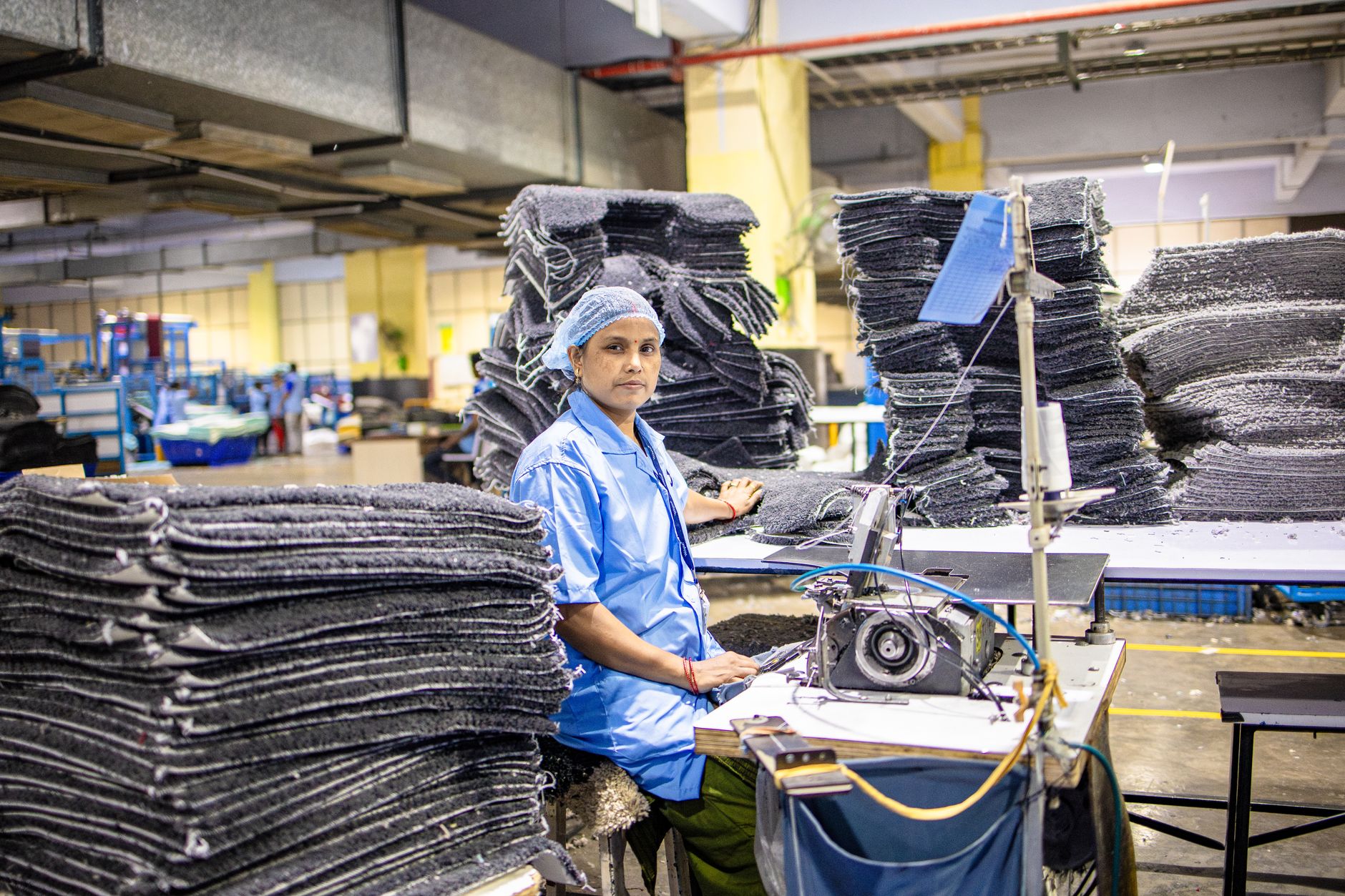
The world of work is undergoing a significant transformation, driven by technological advancements and automation. While many office jobs have already seen the impact of automation, manual workers are now facing an even greater risk of being replaced by machines. This shift has far-reaching implications for the labor market, the economy, and society as a whole. As we delve into the details of this trend, it becomes clear that the future of work will be shaped by the interplay between human skills and machine capabilities.
What's Going On
A recent report by newsghana.com.gh highlights the growing risk of automation for manual workers. The report notes that many manual jobs, such as manufacturing and construction, are being increasingly automated, leading to concerns about job losses and the need for workers to develop new skills. This trend is not limited to specific industries, as technological advancements are being applied across various sectors, from healthcare to transportation.
The impact of automation on manual workers is not just about job losses; it also raises questions about the nature of work itself. As machines take over routine and repetitive tasks, workers will need to focus on higher-value tasks that require creativity, problem-solving, and human interaction. This shift will require significant investments in education and training, as well as a fundamental transformation of the way we think about work and the skills required to succeed in the labor market.
Furthermore, the automation of manual jobs will also have significant implications for the economy. As machines replace human workers, there will be a need for new industries and job opportunities to emerge, driven by technological innovation and entrepreneurship. Governments and businesses will need to work together to create an environment that fosters innovation, supports start-ups, and provides workers with the skills they need to thrive in an automated economy.
Why This Matters
The risk of automation for manual workers is not just a concern for individual workers; it also has significant implications for the broader economy and society. As industry analysts note, the automation of manual jobs will lead to increased productivity and efficiency, but it will also exacerbate existing social and economic inequalities. Workers who are displaced by automation will need to be retrained and supported, and governments will need to develop policies that mitigate the negative impacts of automation on vulnerable populations.
The impact of automation on manual workers will also be felt in the way we think about work and the skills required to succeed in the labor market. As machines take over routine and repetitive tasks, workers will need to develop skills that are complementary to machine capabilities, such as creativity, problem-solving, and human interaction. This will require a fundamental transformation of the education system, as well as a shift in the way we think about work and the skills required to thrive in an automated economy.
Moreover, the automation of manual jobs will also raise questions about the role of machines in the workplace and the need for workers to develop skills that are unique to humans. As machines become more advanced, they will be able to perform tasks that were previously thought to be the exclusive domain of humans, such as problem-solving and decision-making. This will require workers to develop skills that are distinct from machine capabilities, such as empathy, creativity, and critical thinking.
What It Means for the Industry
The automation of manual jobs will have significant implications for various industries, from manufacturing to healthcare. As machines take over routine and repetitive tasks, workers will need to focus on higher-value tasks that require creativity, problem-solving, and human interaction. This shift will require significant investments in education and training, as well as a fundamental transformation of the way we think about work and the skills required to succeed in the labor market.
The impact of automation on manual workers will also be felt in the way we think about the future of work. As machines become more advanced, they will be able to perform tasks that were previously thought to be the exclusive domain of humans, such as problem-solving and decision-making. This will require workers to develop skills that are distinct from machine capabilities, such as empathy, creativity, and critical thinking. Moreover, the automation of manual jobs will also raise questions about the role of machines in the workplace and the need for workers to develop skills that are unique to humans.
Furthermore, the automation of manual jobs will also have significant implications for the economy and society. As machines replace human workers, there will be a need for new industries and job opportunities to emerge, driven by technological innovation and entrepreneurship. Governments and businesses will need to work together to create an environment that fosters innovation, supports start-ups, and provides workers with the skills they need to thrive in an automated economy.
What Happens Next
As the automation of manual jobs continues to advance, it is essential to consider the implications of this trend for the future of work. According to the full announcement from the United Arab Emirates, the country plans to have an AI-run government within two years. This move is expected to increase efficiency and productivity, but it also raises questions about the role of humans in the workplace and the need for workers to develop skills that are complementary to machine capabilities.
In addition to the United Arab Emirates, other countries are also exploring the use of AI and automation in various industries. For example, the official statement from Fox News notes that the United Arab Emirates is not alone in its pursuit of an AI-run government. Other countries, such as Singapore and South Korea, are also investing heavily in AI and automation, with the goal of creating more efficient and productive economies.
Ultimately, the automation of manual jobs will require a fundamental transformation of the way we think about work and the skills required to succeed in the labor market. As machines become more advanced, workers will need to develop skills that are complementary to machine capabilities, such as creativity, problem-solving, and human interaction. This will require significant investments in education and training, as well as a shift in the way we think about work and the skills required to thrive in an automated economy.


