
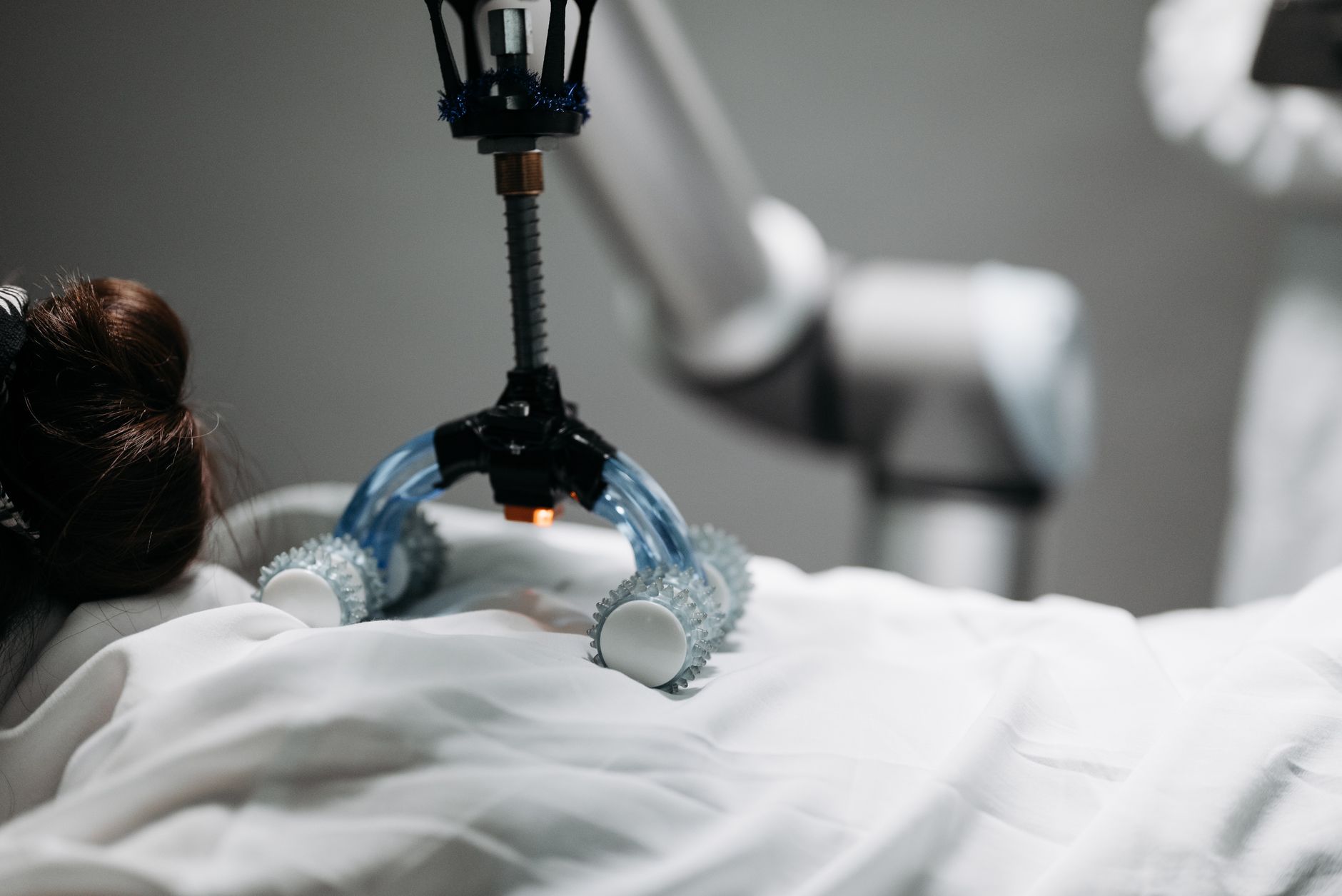
Automating the Art of Grasping
The art of grasping refers to the ability of robots to manipulate objects using their grippers or end-effectors. This complex task requires a deep understanding of object recognition, shape, size, weight, and texture, as well as the ability to adapt to changing situations. Researchers at the University of California, Berkeley, have made significant strides in automating the art of grasping, which has far-reaching implications for various industries.
Context
A recent study published in the University of California, Berkeley's Engineering News (Automating the art of grasping) highlights the team's achievements in developing a more efficient and accurate grasping system. The researchers have employed a combination of computer vision, machine learning, and robotics to create a gripper that can adapt to various objects and environments.
The team's approach involves using a deep learning algorithm to analyze images of objects and predict their 3D shape and size. This information is then used to adjust the gripper's movement and shape to ensure a secure grasp. The system has been tested on various objects, including fragile items, and has demonstrated impressive accuracy and stability.
While the advancements in automating the art of grasping are significant, there are still challenges to be addressed. The team is currently working on improving the system's ability to handle complex objects and environments, as well as reducing the setup time required for the system to adapt to new objects.
Why This Matters
The impact of automating the art of grasping extends beyond the robotics industry, as it has far-reaching implications for various sectors, including manufacturing, healthcare, and logistics. Industry analysts note that the increased efficiency and accuracy of grasping systems could lead to significant cost savings and improved product quality (The Semantic Pixel: Why the U.S. Must Build the Ultimate Multi-Modal Foundation Model). Additionally, the technology could enable robots to perform tasks that require human-like dexterity, such as assembly, packaging, and even surgery.
The potential applications of automating the art of grasping are vast, and the technology has the potential to transform various industries. However, there are also concerns about job displacement and the need for workers to adapt to new technologies.
As the technology continues to evolve, it is essential to address these concerns and ensure that the benefits of automating the art of grasping are shared fairly among all stakeholders.
What It Means for the Industry
The advancements in automating the art of grasping have significant implications for the robotics industry, as they enable robots to perform tasks that require human-like dexterity and adaptability. The technology could lead to increased efficiency and accuracy, as well as improved product quality and reduced costs.
However, the impact of automating the art of grasping extends beyond the robotics industry, as it has far-reaching implications for various sectors, including manufacturing, healthcare, and logistics. The technology could enable robots to perform tasks that require human-like dexterity, such as assembly, packaging, and even surgery.
The increased efficiency and accuracy of grasping systems could lead to significant cost savings and improved product quality. Additionally, the technology could enable robots to perform tasks that require human-like dexterity, such as assembly, packaging, and even surgery.
What Happens Next
The full announcement from iOrganBio (iOrganBio Appoints Zhiping Pang, M.D., Ph.D., to Scientific Advisory Board) highlights the company's commitment to advancing the field of robotics and artificial intelligence. The appointment of Dr. Zhiping Pang, a renowned expert in robotics and AI, is a significant step towards achieving this goal.
The company is currently working on developing new technologies that can be used in various industries, including manufacturing, healthcare, and logistics. The team is exploring the potential applications of automating the art of grasping and is working to address the challenges associated with this technology.
As the technology continues to evolve, it is essential to address the concerns surrounding job displacement and the need for workers to adapt to new technologies. By working together, researchers, industry leaders, and policymakers can ensure that the benefits of automating the art of grasping are shared fairly among all stakeholders.
Wiley Acquires Emerald, Expanding Research Scale and Deepening Proprietary Content Across the AI-Driven Knowledge Economy
Wiley's acquisition of Emerald (Wiley Acquires Emerald, Expanding Research Scale and Deepening Proprietary Content Across the AI-Driven Knowledge Economy) is a significant step towards expanding the company's research scale and deepening its proprietary content across the AI-driven knowledge economy. The acquisition of Emerald's portfolio of journals and books will enable Wiley to tap into new markets and expand its reach in the AI and robotics industries.
The acquisition is also expected to enhance Wiley's ability to provide high-quality content and research solutions to customers across various industries, including manufacturing, healthcare, and logistics. By expanding its research scale and deepening its proprietary content, Wiley can better serve the needs of its customers and stay ahead of the competition in the rapidly evolving AI-driven knowledge economy.


