
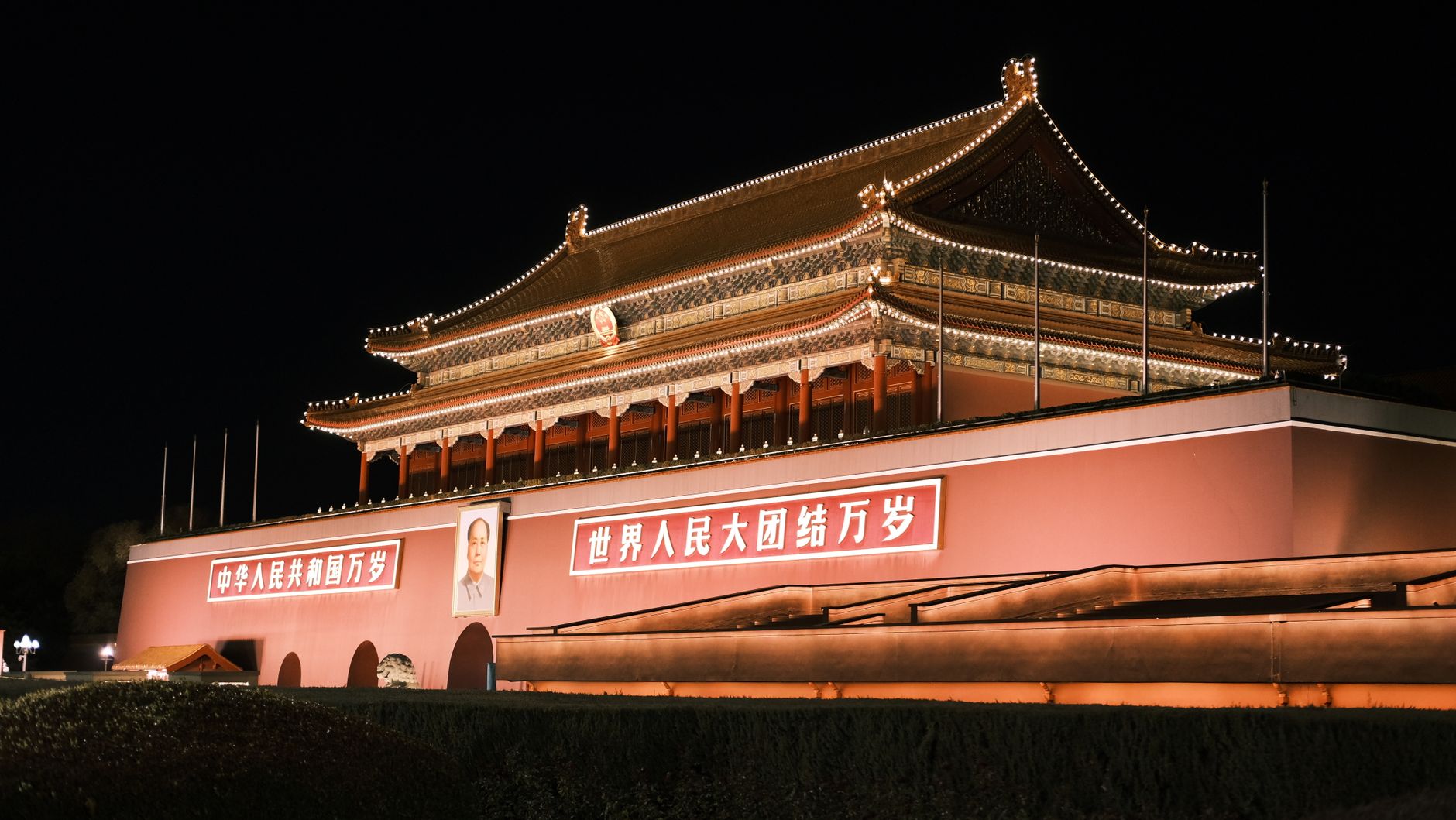
Auto-state lawmakers seek to keep Chinese EV parts out of U.S. as Trump heads to Beijing
As President Trump prepares to visit Beijing, auto-state lawmakers are taking a stand against the increasing presence of Chinese electric vehicle (EV) parts in the U.S. market. According to a recent report by the New York Times, lawmakers from states with a significant auto industry presence are pushing for stricter regulations on Chinese EV parts, citing national security concerns and a desire to promote American manufacturing.
The push for stricter regulations on Chinese EV parts comes as the Chinese government has been actively promoting its domestic EV industry, with a goal of dominating the global EV market by 2025. Chinese EV manufacturers have been expanding their presence in the U.S. market, with many partnering with American companies to produce EVs for the domestic market.
Lawmakers from auto-states such as Michigan, Ohio, and Indiana are leading the charge against Chinese EV parts, arguing that they pose a significant threat to American manufacturing and national security. They point to the fact that many Chinese EV parts are produced using technology developed by the Chinese government, which could potentially be used for malicious purposes.
Why This Matters
The debate over Chinese EV parts is just the latest chapter in the ongoing trade tensions between the U.S. and China. Industry analysts note that the U.S. auto industry is heavily reliant on Chinese EV parts, with many American car manufacturers sourcing components from Chinese suppliers. According to a recent report by The Post, the U.S. auto industry is facing significant pressure to adapt to the changing global trade landscape, with many companies struggling to navigate the complex web of trade agreements and tariffs.
The impact of Chinese EV parts on the U.S. auto industry extends beyond just trade, however. Lawmakers are also concerned about the potential national security implications of relying on Chinese technology, particularly in the context of the ongoing trade war between the U.S. and China. As the U.S. government continues to impose tariffs on Chinese goods, lawmakers are increasingly vocal about the need to promote American manufacturing and reduce reliance on Chinese technology.
The debate over Chinese EV parts is also having a broader impact on the U.S. economy, with many experts warning of the potential consequences of a full-blown trade war with China. As the global economy continues to grapple with the fallout from the COVID-19 pandemic, the U.S. government is under increasing pressure to take a strong stance on trade and national security.
What It Means for the Industry
The push for stricter regulations on Chinese EV parts is having a significant impact on the auto industry, with many manufacturers struggling to adapt to the changing trade landscape. Industry experts warn that the ongoing trade tensions between the U.S. and China are having a chilling effect on investment in the U.S. auto industry, with many companies hesitant to invest in new projects or expand existing operations.
The implications of stricter regulations on Chinese EV parts are far-reaching, with many experts warning of the potential consequences for the U.S. economy. As the global auto industry continues to shift towards electric vehicles, the U.S. government is under increasing pressure to promote American manufacturing and reduce reliance on Chinese technology.
The strategic impact of stricter regulations on Chinese EV parts is also significant, with many experts warning of the potential consequences for the U.S. auto industry's competitiveness in the global market. As the global auto industry continues to evolve, the U.S. government is under increasing pressure to take a strong stance on trade and national security, with many lawmakers arguing that stricter regulations on Chinese EV parts are a necessary step towards promoting American manufacturing and protecting national security.
What Happens Next
The debate over Chinese EV parts is set to continue in the coming weeks and months, with lawmakers from auto-states and industry experts weighing in on the issue. According to a recent report by Waikato Times, the U.S. government is under increasing pressure to take a strong stance on trade and national security, with many lawmakers arguing that stricter regulations on Chinese EV parts are a necessary step towards promoting American manufacturing and protecting national security.
As the global auto industry continues to evolve, the U.S. government is under increasing pressure to take a strong stance on trade and national security. With the debate over Chinese EV parts set to continue in the coming weeks and months, it remains to be seen what the future holds for the U.S. auto industry and the global trade landscape.
The unintended consequences of the ongoing trade tensions between the U.S. and China are also having a significant impact on the global economy, with many experts warning of the potential consequences for the U.S. economy. As the global auto industry continues to shift towards electric vehicles, the U.S. government is under increasing pressure to promote American manufacturing and reduce reliance on Chinese technology.
In a recent interview with Fortune, industry expert Ted Turner warned of the potential consequences of the ongoing trade tensions between the U.S. and China, arguing that the global auto industry is facing significant pressure to adapt to the changing global trade landscape.
As the debate over Chinese EV parts continues to unfold, it remains to be seen what the future holds for the U.S. auto industry and the global trade landscape. One thing is certain, however: the ongoing trade tensions between the U.S. and China are having a significant impact on the global auto industry, with many manufacturers struggling to adapt to the changing trade landscape.


