
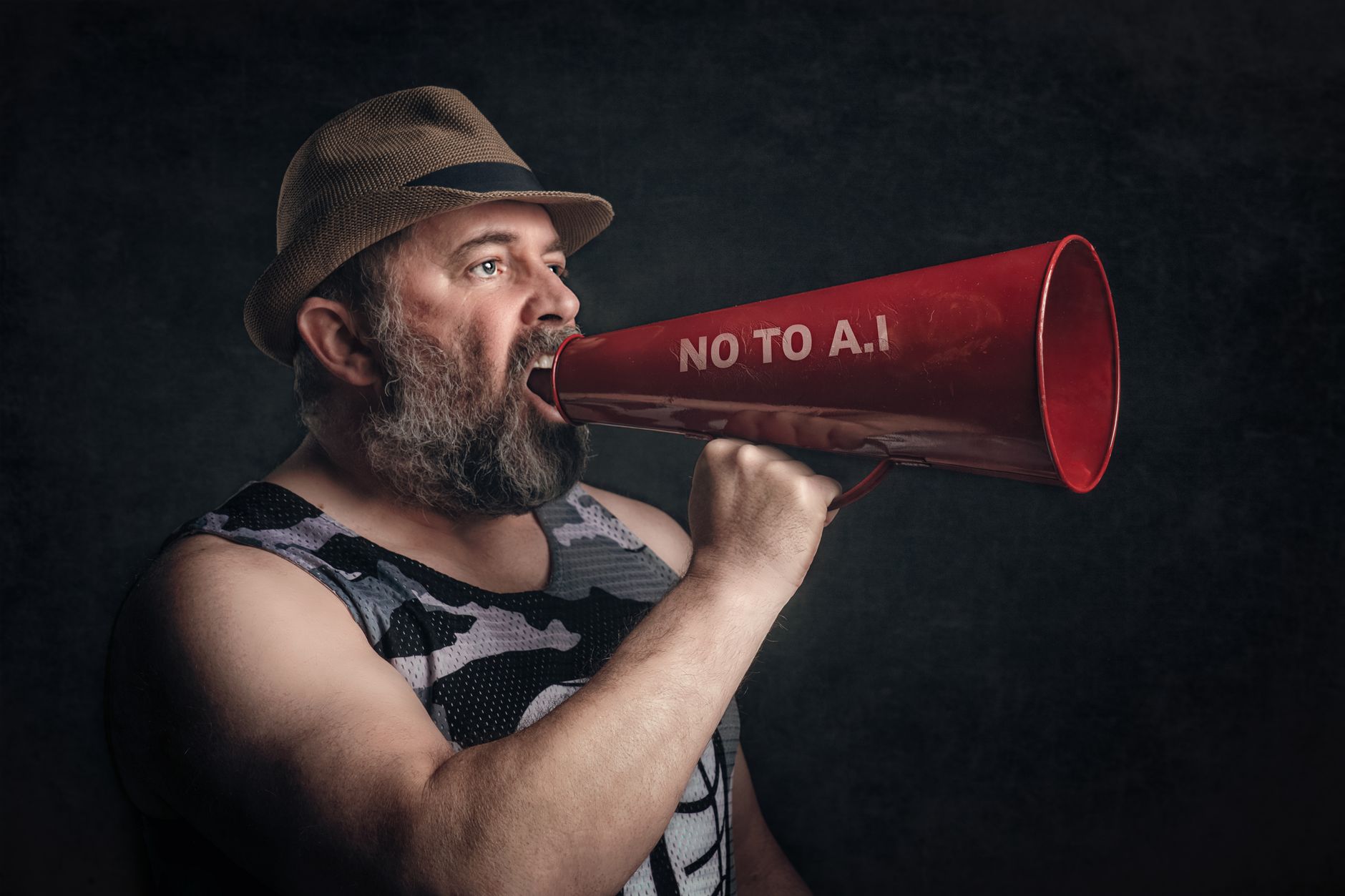
When the headlines start screaming about “AI apocalypse” and the next big algorithmic blunder that could topple economies, you’d expect the nation’s capital to be a hive of frantic activity. Instead, what we’re seeing is a peculiar blend of late‑night briefings, glossy press releases, and a lot of polite nodding—while the real legislative engine seems to be idling. In this deep‑dive, we’ll unpack why the fear of AI catastrophe is finally nudging Washington awake, why the response feels more like a snooze than a sprint, and what that means for the tech sector that’s racing ahead regardless.
What's Going On
The latest wave of AI anxiety isn’t just coming from sci‑fi enthusiasts; it’s being echoed by CEOs, academics, and even a few cautious members of Congress. As fears of AI catastrophe magnify, Wash has been the headline of a Boston Globe feature that details how legislators are finally acknowledging the “unknown unknowns” of generative AI, autonomous weapons, and deep‑fake manipulation. The piece highlights a series of closed‑door hearings where senators asked tech CEOs about “kill‑switches” and “ethical guardrails,” yet the follow‑up actions have been, at best, tepid.
Part of the inertia stems from the sheer speed of AI development. In the past year alone, we’ve seen language models double in size, multimodal systems that can generate video from text, and AI‑driven biotech breakthroughs that blur the line between software and biology. The policy apparatus, built for slower‑moving industries, is suddenly trying to keep up with a technology that can iterate in weeks instead of years.
Another factor is political calculus. AI is a bipartisan buzzword—Republicans tout it as a catalyst for American competitiveness, while Democrats warn about bias and privacy. This shared enthusiasm creates a paradox: everyone wants to be seen as the champion of AI, but no one wants to be the one to impose constraints that could be framed as “stifling innovation.” The result? A series of non‑binding resolutions, voluntary guidelines, and a handful of “AI task forces” that meet more for optics than for decisive action.
Why This Matters
The ripple effects of a half‑hearted policy response are already being felt across the tech ecosystem. Even Realities G2 smart glasses show the recent review of cutting‑edge AR hardware underscores how quickly consumer devices are integrating AI for everything from real‑time translation to predictive UI. When regulators lag, companies push forward, embedding powerful models into everyday products without clear accountability frameworks.
This acceleration raises several red flags. First, there’s the risk of unintended bias leaking into mass‑market devices, influencing everything from hiring recommendations to law‑enforcement tools. Second, the concentration of AI talent and compute in a few megacorporations creates a monopoly‑like environment where a single misstep can have global consequences. Third, the lack of standardized safety testing means that a glitch in an autonomous drone or a mis‑classified medical diagnosis could become a headline before any agency has the chance to intervene.
Who feels the impact? It’s not just the tech giants. Small startups, which often lack legal teams, may find themselves inadvertently violating emerging standards, leading to costly lawsuits. Consumers, meanwhile, are left to trust that the “smart” features in their devices are safe and private. Even sectors like finance and healthcare, which are traditionally heavily regulated, are now scrambling to retrofit legacy compliance frameworks onto AI‑driven processes.
What It Means for the Industry
From an industry perspective, the current Washington lull is both a warning sign and an opportunity. Companies that invest heavily in internal AI governance—building ethics boards, conducting rigorous model audits, and publishing transparency reports—will likely gain a competitive edge as regulators eventually tighten the reins. Those that ignore the warning may face sudden, punitive measures that could cripple product pipelines.
Take, for example, the emerging market of AI‑assisted robotics for elder care. AI robot for seniors can alert family af showcases a prototype that can detect falls, monitor vitals, and automatically contact relatives. While this technology promises to alleviate caregiver shortages, it also raises questions about data security, false alarms, and the ethical implications of delegating intimate care to machines. If policymakers finally decide to regulate such devices, manufacturers will need to demonstrate robust safety certifications and clear data‑handling practices.
Beyond compliance, there’s a strategic shift toward “AI‑first” product roadmaps that embed risk assessment from day one. Venture capitalists are beginning to ask founders about “AI safety” as part of due diligence, and large enterprises are demanding that their suppliers adhere to emerging standards like ISO/IEC 42001 for trustworthy AI. This trend is reshaping the competitive landscape: the firms that can balance rapid innovation with responsible stewardship are poised to dominate the next decade.
Moreover, the current policy vacuum is fostering a wave of self‑regulation. Industry consortia are drafting their own code of conduct, and some platforms are rolling out “model cards” that detail the training data, intended use cases, and known limitations of their AI systems. While these initiatives are commendable, they lack the enforceability of law, leaving a gap that could be exploited by bad actors.
What Happens Next
Looking ahead, the pressure on Washington is unlikely to dissipate. Public outcry after high‑profile AI failures—whether it’s a deep‑fake that spreads misinformation or an autonomous system that makes a costly error—will keep the issue in the headlines. Happy Ganesh Chaturthi 2026 WhatsApp Sta may seem unrelated, but it illustrates how cultural moments can amplify digital trends, driving massive spikes in content generation that AI platforms must handle responsibly.
In the short term, we can expect a series of incremental steps: clearer definitions of “high‑risk AI,” mandatory impact assessments for certain categories, and perhaps the first federal AI safety standards. Internationally, the U.S. will likely feel the pull of the EU’s AI Act, prompting a harmonization of rules that could finally give Washington a concrete legislative framework to work within.
For the tech community, the takeaway is clear—stay ahead of the curve. Build transparency, prioritize safety, and engage with policymakers before they come knocking. The era of “move fast and break things” is giving way to “move fast and think responsibly.” Companies that internalize this mindset will not only avoid regulatory headaches but also earn the trust of a public that’s increasingly wary of unchecked AI power.


