
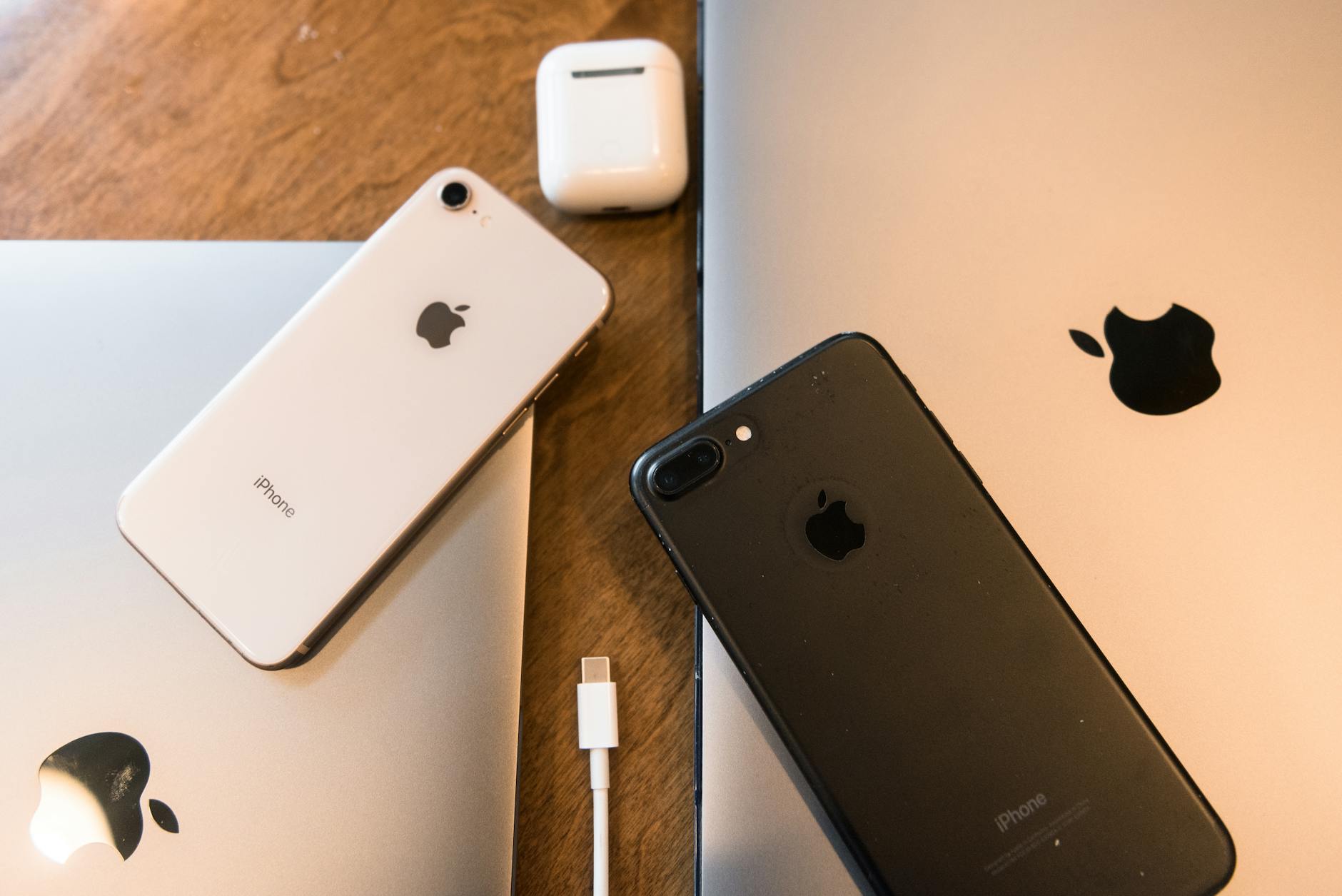
When it comes to device integration, Apple has long been the gold standard. With its Device Handoff feature, users can seamlessly switch between their iPhone, iPad, and Mac, picking up exactly where they left off. This level of integration has been a major selling point for Apple devices, and it's an area where Windows and Android have struggled to keep up. In fact, Why Apple’s Device Handoff Still Leaves Windows and Android Playing Catch-Up highlights the significant gap between Apple and its competitors in this regard.
What's Going On
The concept of device handoff is simple: it allows users to start something on one device and then pick it up on another, without missing a beat. This could be anything from writing an email to browsing the web. Apple's implementation of this feature is incredibly slick, with devices automatically detecting when you're nearby and allowing you to instantly switch between them. For example, if you're writing an email on your iPhone, you can instantly pick up where you left off on your Mac or iPad, without having to worry about syncing or transferring files.
This level of integration is made possible by Apple's closed ecosystem, which allows the company to tightly control the user experience across all of its devices. While this can be limiting in some ways, it also enables Apple to create features like Device Handoff that are incredibly powerful and easy to use. Windows and Android, on the other hand, have a much more open approach, which can make it harder to achieve the same level of integration.
Despite these challenges, both Windows and Android have been working to improve their own device integration features. Microsoft's Your Phone app, for example, allows users to access their Android phone's notifications, photos, and texts directly from their Windows PC. Google's Nearby Share feature, meanwhile, enables easy file sharing between Android devices. However, these features still don't quite match the seamlessness of Apple's Device Handoff.
Why This Matters
The importance of device integration cannot be overstated. As we increasingly use multiple devices throughout the day, the ability to easily switch between them is becoming a major factor in our purchasing decisions. According to MABA Urges Consumers to Ask 10 Critical questions before choosing a device, one of the key considerations is how well it will integrate with our existing devices and ecosystem. For many users, the ability to seamlessly switch between devices is a major selling point, and one that can make or break their decision to purchase a particular device.
Furthermore, device integration is not just about convenience – it's also about productivity. When we can easily switch between devices, we can work more efficiently and effectively, without having to worry about syncing files or transferring data. This is particularly important for businesses, where employees often need to work across multiple devices and platforms. By providing a seamless device integration experience, Apple is able to attract and retain business customers, who value the ability to work efficiently and effectively across multiple devices.
In addition to its impact on businesses, device integration also has significant implications for consumers. As we increasingly use multiple devices throughout the day, the ability to easily switch between them is becoming a major factor in our daily lives. Whether we're working, browsing the web, or simply staying in touch with friends and family, device integration is playing an increasingly important role in our daily routines.
What It Means for the Industry
The dominance of Apple's Device Handoff feature has significant implications for the tech industry as a whole. For one, it highlights the importance of ecosystem control and integration. By tightly controlling the user experience across all of its devices, Apple is able to create features that are incredibly powerful and easy to use. This is a lesson that other companies would do well to learn, as they seek to create their own device integration features.
At the same time, the limitations of Windows and Android's device integration features highlight the challenges of creating a seamless user experience across multiple devices and platforms. As these companies continue to work on improving their own integration features, they will need to balance the need for openness and flexibility with the need for control and consistency. This is a delicate balancing act, and one that will require significant investment and innovation.
Finally, the success of Apple's Device Handoff feature has significant implications for the future of device integration. As we increasingly use multiple devices throughout the day, the ability to easily switch between them will become even more important. Companies that can provide a seamless device integration experience will be well-positioned to attract and retain customers, while those that cannot will struggle to keep up.
What Happens Next
So what's next for device integration? As companies continue to work on improving their own features, we can expect to see significant advances in the coming years. For example, Chewbarka Grooming Sets a New Standard f or mobile device integration, highlighting the potential for innovation and advancement in this area. Similarly, Green House Solar Control Expands Home W indow tinting services, demonstrating the potential for companies to expand their services and offerings through improved device integration.
Ultimately, the future of device integration will be shaped by the companies that are able to provide the most seamless and intuitive user experience. As we increasingly use multiple devices throughout the day, the ability to easily switch between them will become even more important. By investing in device integration and ecosystem control, companies can create powerful and easy-to-use features that will attract and retain customers, and drive business success.
In conclusion, Apple's Device Handoff feature remains the gold standard for device integration, and it's an area where Windows and Android are still playing catch-up. However, as these companies continue to work on improving their own integration features, we can expect to see significant advances in the coming years. By understanding the importance of device integration and ecosystem control, companies can create powerful and easy-to-use features that will drive business success and attract and retain customers.


